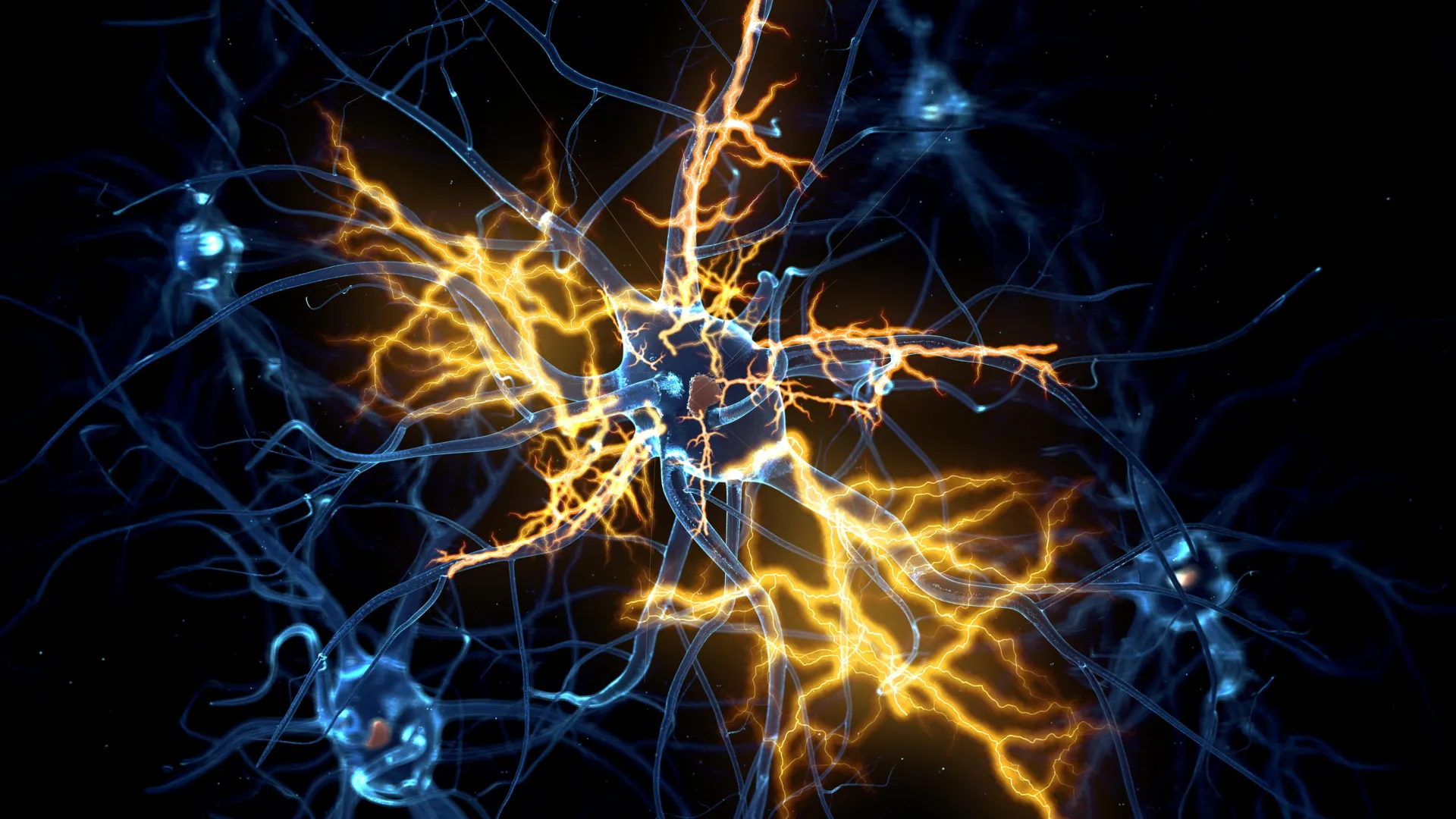
Researchers at Cambridge University have demonstrated that nerve damage long considered irreversible can potentially be reversed using human organoids. The team engineered miniature brain-and-spinal-cord systems in laboratory conditions, creating functional neural networks capable of transmitting electrical signals and activating muscle contractions.
The breakthrough centers on a developmental discovery. Human neurons progressively lose their capacity to regenerate after injury as they mature, but the Cambridge researchers found this loss is not permanent. They identified the gene network responsible for shutting down regenerative ability and showed the process can be reactivated.
Testing this hypothesis, the team applied an existing hormone-based drug to their organoid systems. The treatment dramatically increased nerve fiber regrowth, suggesting a concrete therapeutic pathway. The hormone drug they tested already exists in clinical use, potentially accelerating translation to patient treatments.
Spinal cord and brain injuries currently offer limited recovery options because adult neurons rarely regrow damaged connections. This research challenges that assumption by demonstrating the regenerative machinery remains present but dormant in mature neurons. The gene network discovery provides a molecular target for future interventions.
The organoid model itself represents a significant methodological advance. These miniaturized tissue systems replicate key features of human nervous system development while remaining tractable for experimental manipulation. They bridge the gap between traditional cell culture and whole organism studies, allowing researchers to test human-specific biology that animal models cannot fully represent.
Limitations remain substantial. Laboratory organoids simplify the complexity of intact nervous systems, and successful organoid outcomes do not guarantee human efficacy. The hormone drug's effects in three-dimensional tissue models require validation in animal studies and ultimately clinical trials. Safety profiles and optimal dosing strategies remain unexplored.
The implications extend beyond spinal cord injury. Stroke, traumatic brain injury, and neurodegenerative diseases all involve neuronal loss and failed regeneration. If the Cambridge team's findings prove transl