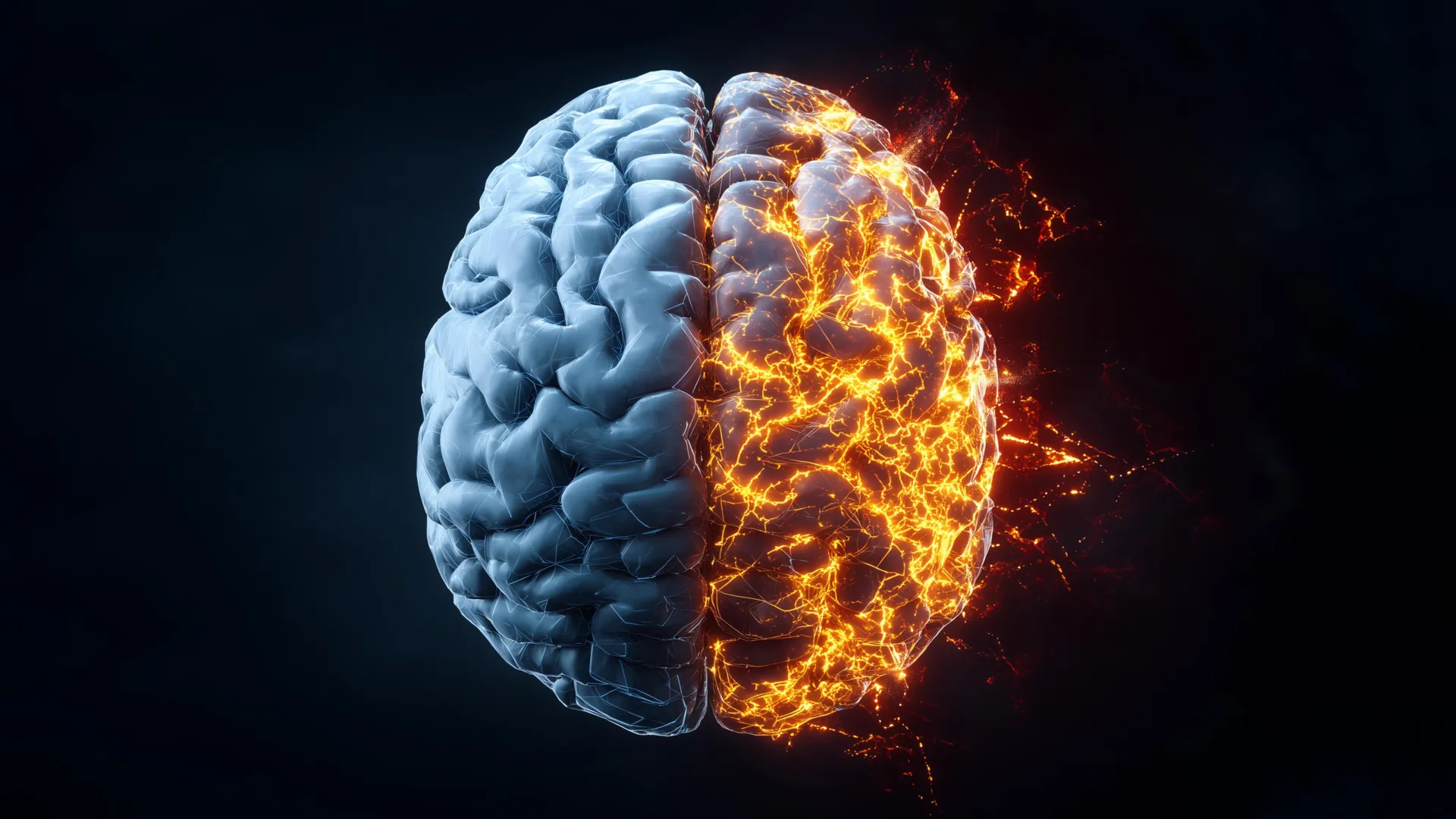
Researchers testing inhaled cannabidiol (CBD) in mice with Alzheimer's disease found it reduced neuroinflammation, the brain's overactive immune response that damages neurons and drives cognitive decline. The work opens a new avenue for treating the progressive neurodegenerative disease, which currently lacks effective disease-modifying therapies.
The team administered CBD to mice engineered to develop Alzheimer's pathology and measured inflammatory markers in brain tissue. They observed reductions in key neuroinflammatory drivers, suggesting CBD dampens the immune activation that accelerates neurodegeneration. This mechanism differs from other Alzheimer's approaches targeting amyloid plaques or tau tangles, the hallmark protein accumulations in the disease.
Neuroinflammation has emerged as a central player in Alzheimer's progression. Immune cells in the brain, particularly microglia, become hyperactivated and release inflammatory molecules that kill neurons and impair synaptic function. This cascade amplifies memory loss and cognitive dysfunction. By calming this immune overreaction, CBD could theoretically slow disease advancement.
The research represents preliminary but promising preclinical work. Mouse models of Alzheimer's disease reliably reproduce some aspects of human pathology but often fail to translate to human efficacy. The study used inhaled CBD specifically, which delivers the compound directly to the brain and may achieve higher local concentrations than oral administration.
Several limitations merit consideration. The research has not progressed to human clinical trials. The dose, duration, and long-term safety profile of inhaled CBD in Alzheimer's patients remain unknown. Additionally, CBD's effects on cognitive function or behavioral outcomes in these mice were not specified in available details, leaving questions about whether reduced inflammation translated to functional improvement.
The authors did not specify their institution or publish details in a peer-reviewed journal yet based on this report. Independent verification of these results