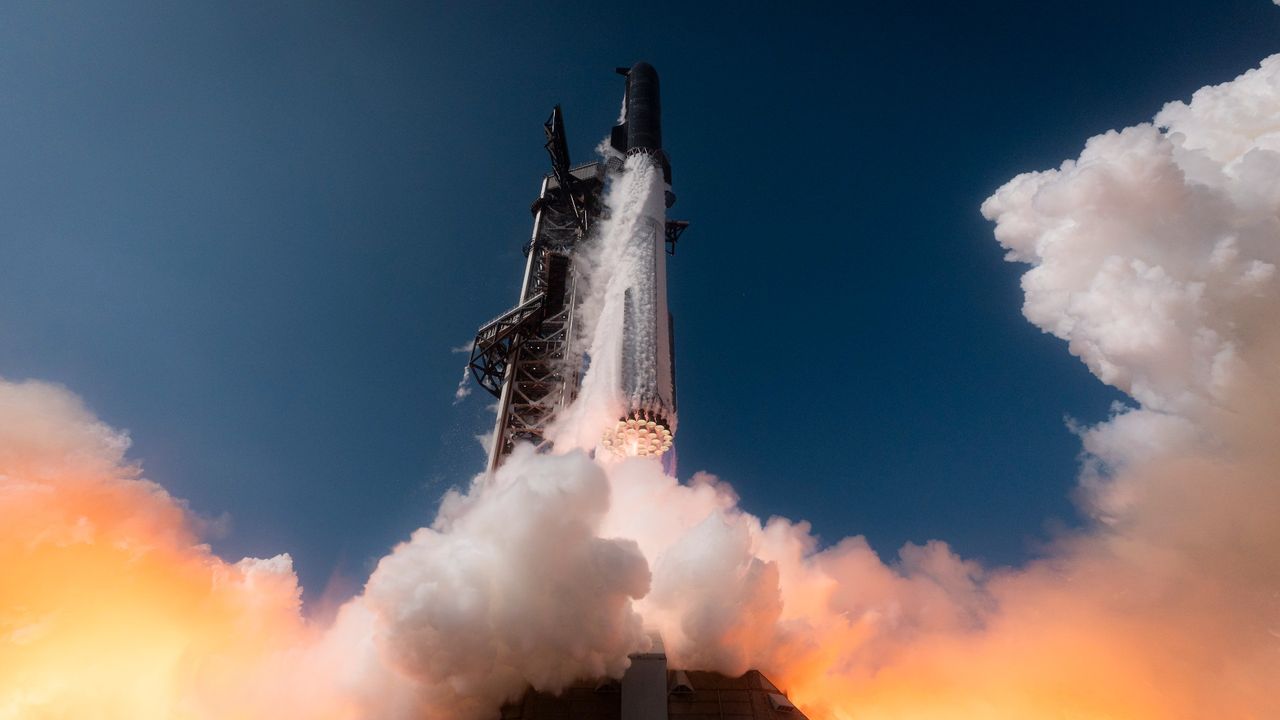
SpaceX conducted the first flight of its V3 Starship megarocket last week, achieving what the company describes as a successful debut for the redesigned vehicle. The test represents a major milestone for SpaceX's ambitions to develop a fully reusable super-heavy lift launch system capable of supporting lunar missions, Mars exploration, and deep space operations.
While SpaceX has not yet released detailed performance metrics from the flight, the company indicated that the V3 variant performed within expectations during its inaugural test. The V3 designation reflects significant design and engineering improvements over previous Starship iterations, incorporating lessons learned from earlier uncrewed test flights conducted in 2023 and 2024.
The path forward for SpaceX involves multiple planned test flights to validate critical systems before operational missions begin. The company has regulatory approval for continued testing at its Starbase facility in Boca Chica, Texas. Upcoming objectives include demonstrating in-space refueling capabilities, which remain essential for the vehicle's long-range mission architecture, and proving the reliability of both the Super Heavy booster and Starship upper stage across multiple flight cycles.
SpaceX executives have indicated that the V3 variant incorporates thermal protection improvements, refined avionics systems, and enhanced structural elements designed to reduce manufacturing complexity and improve turnaround times between flights. These modifications support the company's broader goal of achieving rapid reusability comparable to commercial aircraft operations.
The Federal Aviation Administration continues to oversee SpaceX's testing program, with launch licenses issued on a flight-by-flight basis following environmental and safety reviews. Additional test flights are expected to occur at intervals of several months, pending regulatory approval and hardware readiness.
Industry observers note that successful V3 testing accelerates SpaceX's timeline toward contracted missions with NASA and commercial customers. The company has secured agreements to provide lunar lander transportation for NASA