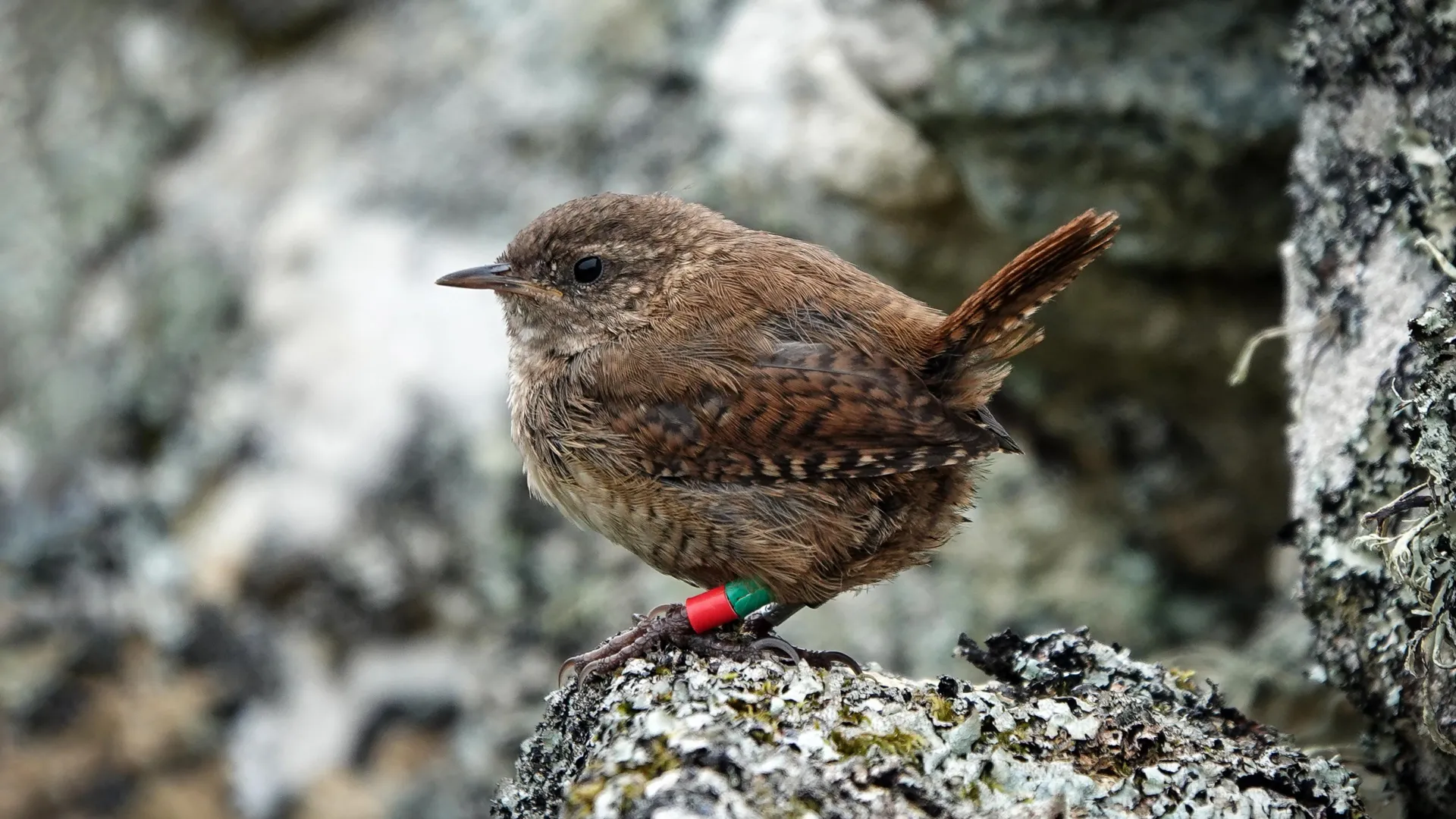
Wrens inhabiting remote Scottish islands are undergoing rapid evolutionary divergence that could spawn entirely new species within centuries, according to research on isolated populations of British wrens. Scientists documented that St Kilda wrens have grown dramatically larger than their mainland counterparts, with the heaviest island birds weighing more than double the lightest mainland specimens. This size increase exemplifies island gigantism, an evolutionary pattern where isolated animal populations grow substantially larger than their continental relatives.
The research examined four separate wren populations on Scottish islands and mainland sites. Beyond size differences, the isolated birds developed distinct songs, physical characteristics, and genetic profiles that distinguish them from one another and from mainland populations. These accumulating differences suggest each island population is evolving along independent trajectories.
Island gigantism occurs because isolated populations face different selective pressures than mainland ecosystems. With reduced predation, different food availability, and no gene flow from larger mainland populations, island animals often evolve larger body sizes. In wrens, the larger island birds may gain advantages in competing for resources or mates within their constrained island environments.
The research team did not specify their institutional affiliation or publication details in available reports. However, the findings align with established evolutionary theory about speciation through geographic isolation. When populations remain separated for sufficient generations, accumulated genetic and behavioral differences eventually render them reproductively incompatible with other populations, defining them as separate species.
The timescale for complete speciation remains unclear. Some evolutionary biologists estimate such transformations require thousands of years. However, the Scottish wrens demonstrate that dramatic morphological and genetic changes can occur relatively quickly on evolutionary timescales. The unique songs and genetic distinctions already present suggest reproductive isolation may already be developing.
Climate change and human activities pose threats to these evolving populations. Island ecosystems remain fragile, and environmental shifts could disrupt the selective pressures driving these evolutionary changes. Understanding these processes helps scientists