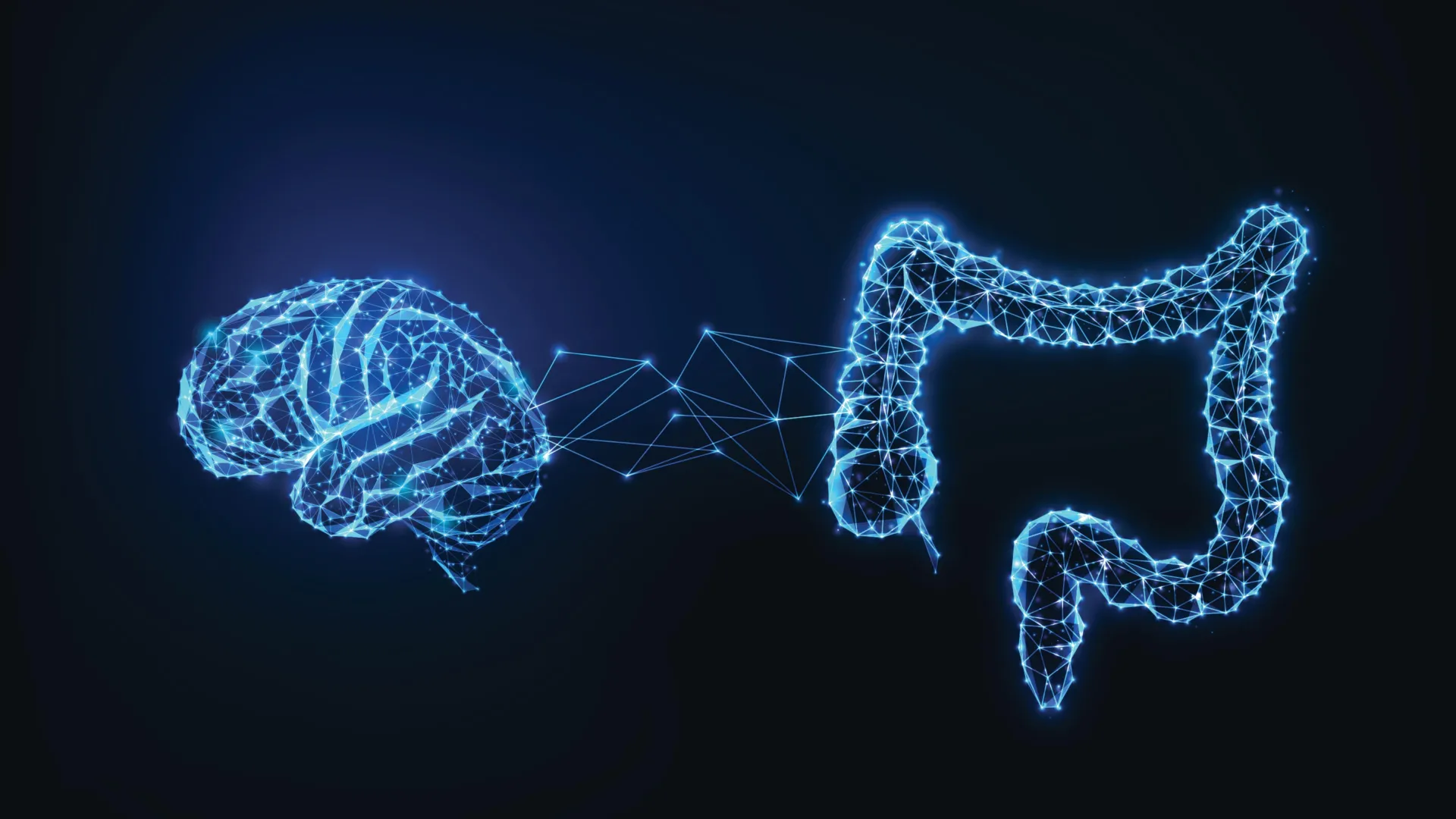
Researchers have identified a previously unknown gut-brain circuit that detects protein deficiency and triggers cravings for amino acids over sugar. The discovery reveals how the body actively regulates nutritional preferences rather than relying solely on caloric need.
The circuit operates through specialized cells in the intestines that monitor amino acid levels. When protein becomes scarce, these cells dispatch signals through the vagus nerve directly to appetite control centers in the brain. This causes a dramatic shift in feeding behavior, redirecting animals toward protein-rich foods and away from carbohydrates.
The work expands beyond simple hunger signaling. Previous research established that the brain craves calories when energy runs low. This new pathway demonstrates the body possesses distinct mechanisms for sensing and responding to specific nutrient deficiencies. The gut acts as a nutrient sensor, not merely a digestive organ.
The findings carry implications for understanding obesity and metabolic disorders. If this circuit malfunctions or becomes dysregulated, people might lose the ability to properly prioritize protein intake, instead defaulting to calorie-dense, sugar-heavy foods that fail to satisfy nutritional needs. This could perpetuate overeating and weight gain.
The discovery also challenges assumptions about appetite control. Rather than the brain simply registering fullness or emptiness, the evidence suggests the gut directly communicates nutrient composition to appetite centers. This represents a more sophisticated biological system than previously understood.
The research team did not release details on the specific cell types involved or the exact neurotransmitters conveying these signals, limiting current understanding of how the circuit functions at the molecular level. Further work must map the complete pathway and determine whether similar mechanisms exist for other nutrients like vitamins and minerals.
These findings could eventually inform interventions for eating disorders, malnutrition, and obesity by targeting the gut-brain circuit directly. Understanding how the body naturally prioritizes protein intake provides a foundation