# Science Briefs: Ancient Burial Vessel, Climate Threats to Rice, and Cancer Breakthrough
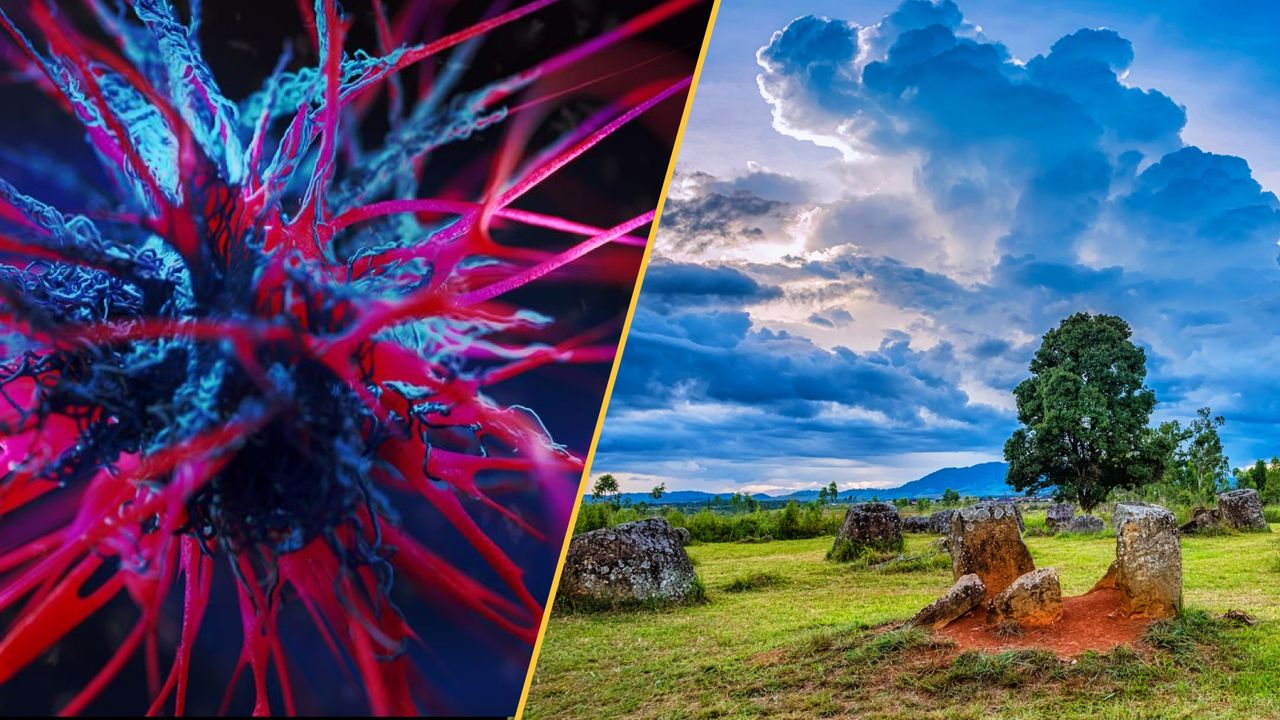
Archaeologists working in Laos have documented a "death jar" burial practice that offers new insight into Southeast Asian funerary customs. The ceramic vessel contained human remains and artifacts, suggesting ritual significance in ancient Laotian societies. Researchers analyzed the jar's contents and construction methods to understand burial patterns that shaped the region's cultural practices thousands of years ago.
Climate change poses an escalating threat to global rice production, a staple crop feeding billions of people. Rising temperatures and shifting precipitation patterns damage rice plants during critical growth stages, reducing yields and threatening food security in Asia and beyond. Agricultural scientists warn that without adaptation strategies, major rice-producing regions face crop failures that could trigger widespread food shortages.
In a separate development, researchers discovered that an existing asthma medication shows unexpected effectiveness against certain aggressive cancers. The drug, originally developed to treat airway inflammation, demonstrated tumor-suppressing properties in laboratory and clinical studies. Scientists found that the compound blocks molecular pathways cancer cells depend on for survival and growth, opening a new therapeutic avenue for patients with treatment-resistant malignancies.
The asthma drug repurposing represents a growing trend in medicine where established medications find new clinical applications. This approach accelerates treatment development by building on decades of safety data already established for the original indication.
These developments span disciplines from archaeology to agriculture to oncology, reflecting how scientific progress emerges across multiple fronts. The Laotian burial practice study enriches our understanding of ancient societies, while climate and agricultural research addresses present-day food security challenges. The cancer drug discovery demonstrates how cross-disciplinary investigation can yield unexpected medical breakthroughs.