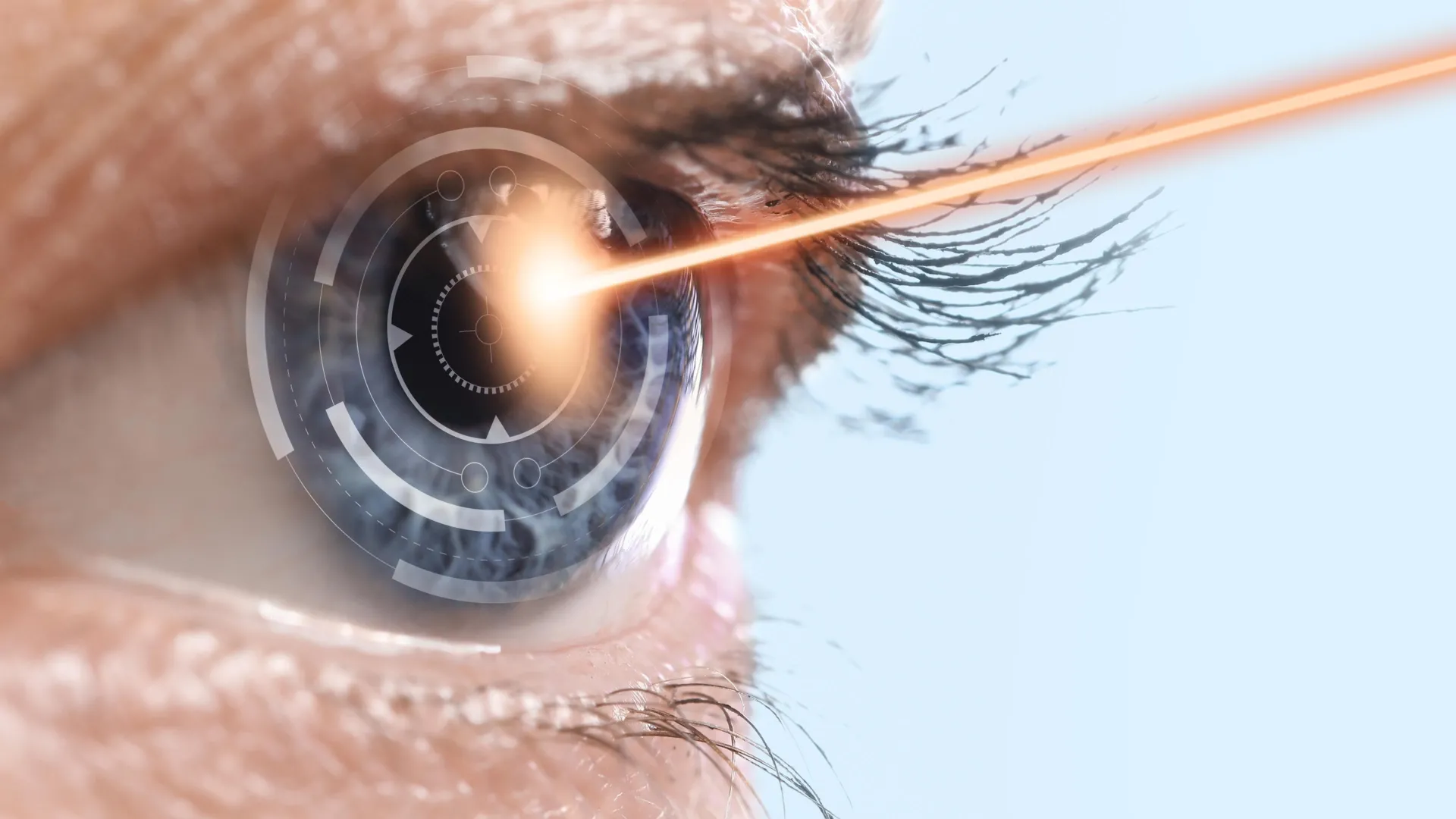
Researchers at Aalto University have developed an experimental laser treatment that may prevent blindness from dry age-related macular degeneration, a leading cause of vision loss in older adults. The technique uses near-infrared light to gently heat tissue at the back of the eye, activating cellular repair mechanisms before significant damage develops.
Dry age-related macular degeneration occurs when the macula, the central part of the retina responsible for sharp vision, deteriorates over time. Unlike the wet form of the disease, which has several approved treatments, dry AMD lacks effective therapeutic options. This makes the Aalto University findings particularly promising for the millions of people worldwide affected by this progressive condition.
The treatment works by triggering the eye's natural autophagy process, essentially the cell's cleanup and repair system. By applying controlled near-infrared heat to the affected tissue, the researchers activate these protective mechanisms while the disease is still in early stages, potentially halting or slowing progression before irreversible vision loss occurs.
The near-infrared approach offers distinct advantages over traditional laser treatments. Conventional laser therapies often destroy tissue to treat eye diseases, causing collateral damage. The Aalto team's gentle heating method preserves healthy cells while stimulating their own repair capabilities, reducing risk of complications.
The research remains in experimental stages, meaning clinical trials would be necessary before any regulatory approval or widespread use. The team has not yet published peer-reviewed results in a specific journal, based on available information. Key details about patient populations tested, treatment protocols, and long-term efficacy data are still needed to evaluate the therapy's true potential.
If successful in human trials, this approach could transform care for dry AMD patients who currently face limited options beyond lifestyle modifications and vitamin supplementation. The technique might also prove applicable to other retinal conditions where early intervention could prevent blindness. The Aalto University team's work demonstrates