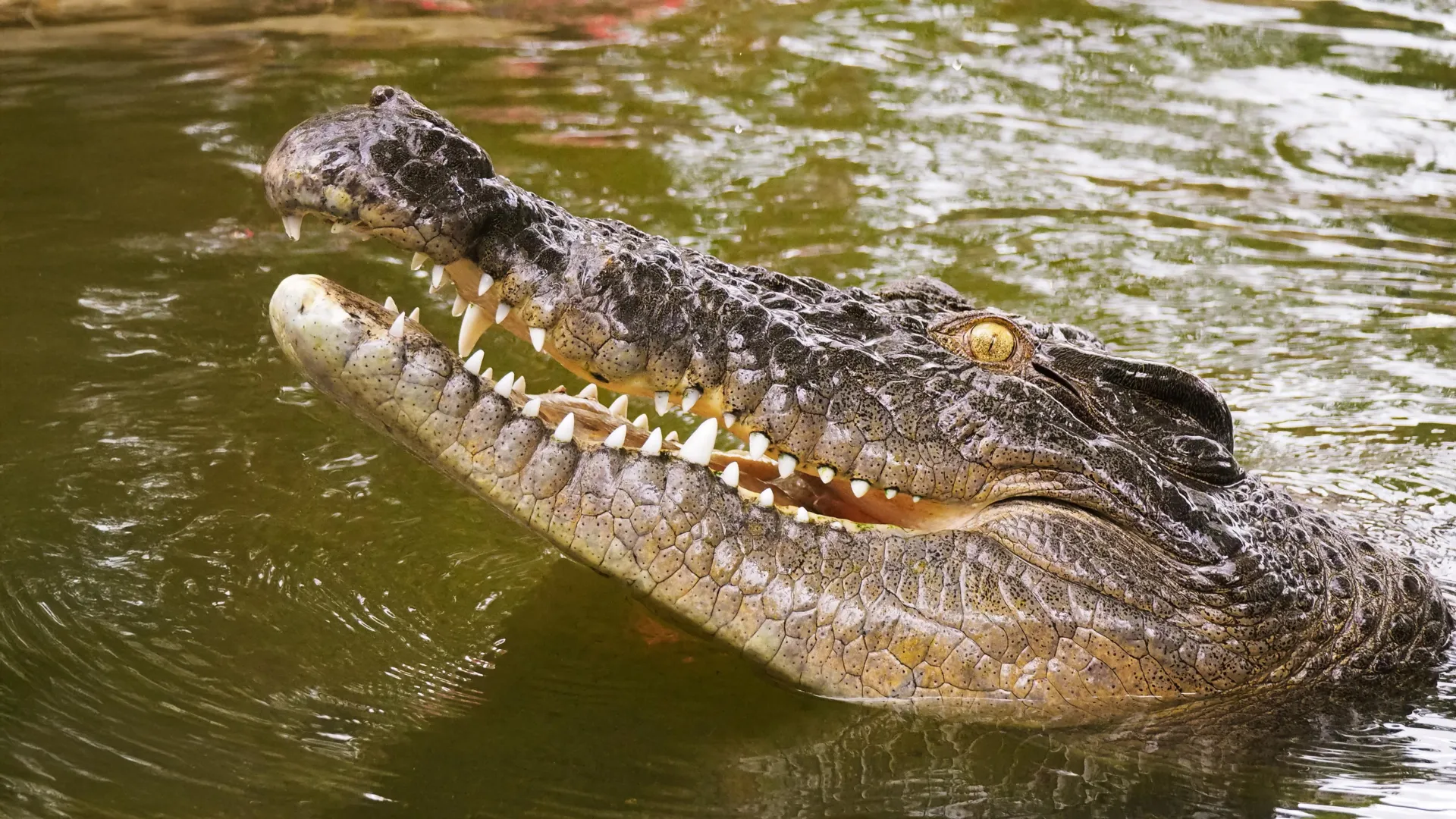
Researchers analyzing DNA from preserved museum specimens have identified how crocodiles vanished from the Seychelles islands over the past 250 years. The study reveals these reptiles were not a distinct species, but rather an isolated population of saltwater crocodiles that had drifted across the Indian Ocean to reach the archipelago.
The findings overturn a longstanding hypothesis that the Seychelles crocodiles represented a unique evolutionary lineage. Instead, genetic analysis shows they descended from saltwater crocodiles native to Southeast Asia and Australasia. The distance between those regions and the Seychelles, located east of Africa, stretches thousands of kilometers across open ocean.
Scientists examined DNA extracted from historical specimens held in museums, allowing them to trace the genetic origins of the extinct population. This molecular approach bypassed limitations of skeletal analysis alone, revealing ancestry links invisible in the fossil record.
The crocodiles likely reached the Seychelles during ocean currents, either naturally rafting on debris or possibly carried by human activity. Once established, the isolated population diverged genetically from its mainland relatives but remained fundamentally a saltwater crocodile variety, not a separate species entirely.
The disappearance of these reptiles reflects broader conservation challenges in island ecosystems. The Seychelles population faced threats from habitat loss, hunting, and competition with introduced species. Colonial-era activities accelerated their decline, erasing this remarkable chapter of the islands' natural history.
This investigation demonstrates the power of museum collections in modern science. Preserved specimens, often centuries old, provide irreplaceable genetic material for reconstructing evolutionary histories. The work also underscores how genetic evidence can resolve taxonomy questions that morphological studies alone cannot answer.
The research adds to growing evidence that saltwater crocodiles possess remarkable dispersal abilities, capable of crossing vast marine distances. Understanding how and when these populations spread informs current conservation efforts