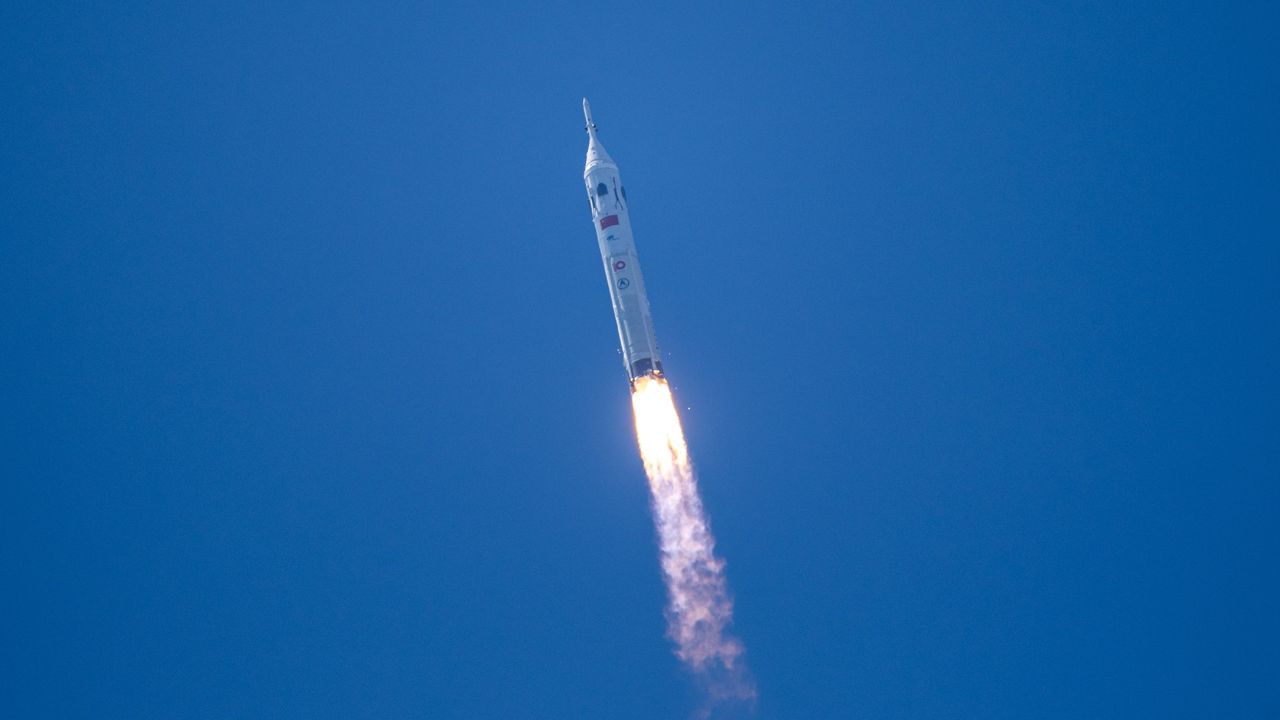
China is consolidating its lunar exploration efforts to achieve a crewed moon landing by 2030. The country plans to merge its robotic Chang'e probe program with its human spaceflight division under a unified command structure.
The reorganization reflects Beijing's commitment to placing Chinese astronauts on the lunar surface within the next six years. China's current leadership has declared the goal a national priority, with officials stating the country will "spare no effort" to accomplish the mission.
The Chang'e program has successfully deployed multiple robotic landers and rovers to the moon since 2007, gathering data on lunar geology and resources. By integrating this robotic expertise with China's crewed spaceflight capabilities, the country aims to streamline technology development and mission planning.
The timeline places China's crewed lunar landing ahead of NASA's Artemis program, which targets the mid-2020s for returning American astronauts to the moon. However, both programs face significant technical and budgetary challenges.
China's space program has demonstrated rapid advancement in recent decades. The country established its own space station in 2021 and successfully landed robotic probes on the far side of the moon. A crewed landing would position China as only the third nation to put humans on the lunar surface, after the United States and the Soviet Union.
The reorganization consolidates decision-making and resource allocation across previously separate administrative divisions. This structural change enables faster technology sharing between robotic and human spaceflight teams, potentially accelerating development timelines for landing systems, lunar habitats, and ascent vehicles.
Experts note that the 2030 target represents an aggressive schedule for developing untested hardware systems and conducting multiple test flights. Success requires solving complex engineering problems related to crew safety, payload capacity, and lunar surface operations in harsh environments.
China has not yet publicly detailed the specific spacecraft designs, landing site selections, or crew selection