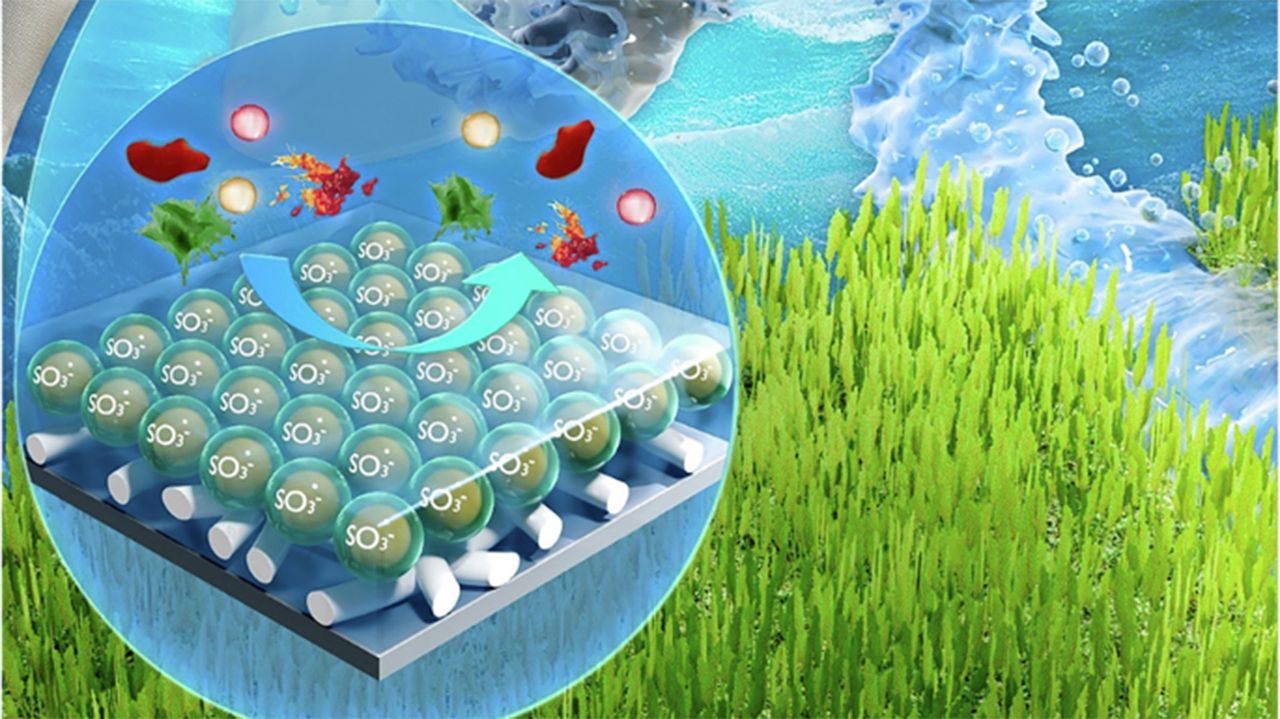
Chemists at Chinese research institutions have developed a protective coating that repels both water and bacteria from fabric surfaces, eliminating the need for traditional detergent-based washing. The innovation works by creating a hydrophobic barrier that prevents liquids and microorganisms from adhering to textile fibers.
The coating reduces the environmental and economic burden of laundry substantially. Conventional washing requires significant water consumption and electricity to heat water and run machines. This new treatment cuts water and electricity costs by approximately 80 percent, addressing major sustainability concerns in household operations.
The "water armor" coating functions through nanotechnology principles. Rather than dissolving dirt with surfactants like traditional detergents do, the coating makes fabric surfaces so water-repellent that stains and pathogenic microorganisms simply cannot establish contact. This passive defense mechanism proves more efficient than active chemical cleaning.
The development carries implications for both consumer economics and environmental protection. Household water usage represents a substantial portion of total residential consumption, and heating that water drives electricity demand. By nearly eliminating the need for washing cycles, this coating technology addresses water scarcity concerns and reduces carbon footprints associated with energy consumption.
Current limitations remain unclear from available information. The durability of the coating through normal wear, the number of applications before reapplication becomes necessary, and long-term fabric integrity under repeated coating treatments require further investigation. Manufacturing scalability and production costs will determine whether this technology reaches mass-market adoption.
The research reflects broader momentum in materials science toward functional coatings that reduce reliance on chemical interventions. Similar approaches have emerged in other applications, including self-cleaning surfaces and antimicrobial textiles, though this iteration combines water repellency with pathogen resistance in a laundry-specific context.
Implementation would require collaboration between material scientists, textile manufacturers, and consumer goods companies to translate laboratory results into commercial products. Regulatory approval