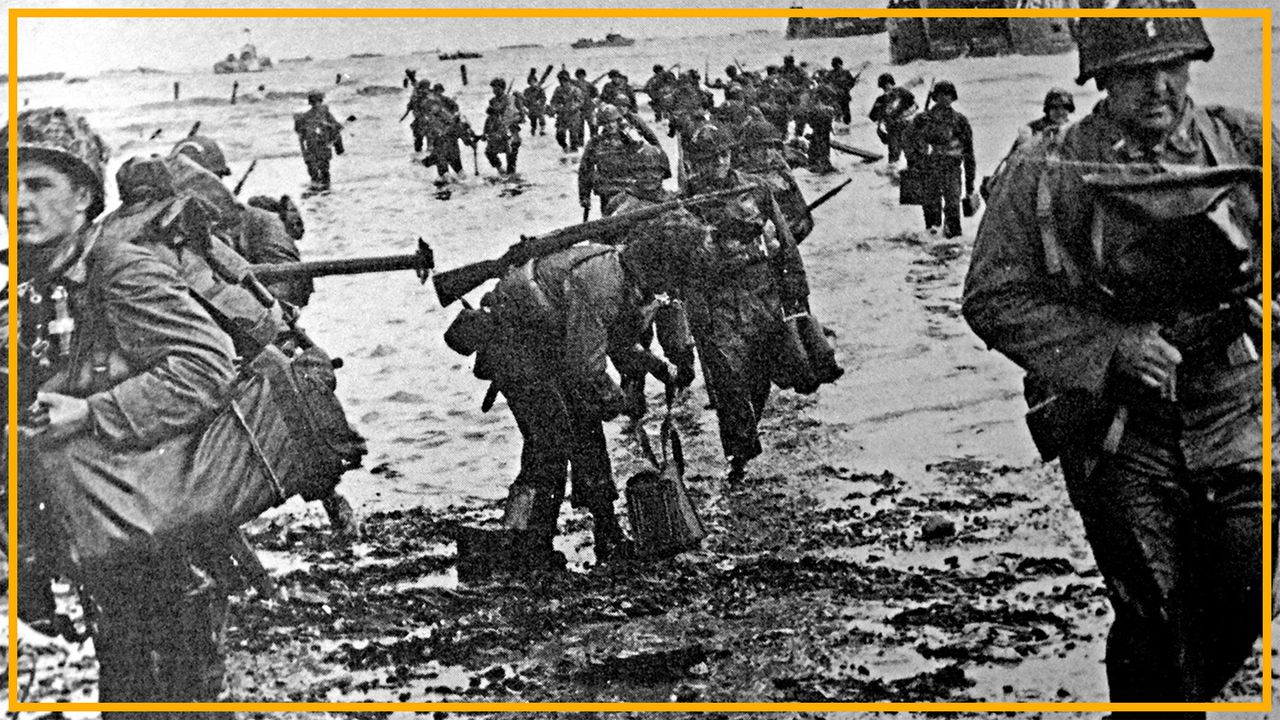
Generative artificial intelligence has eroded a foundational assumption about photography: that images document actual events. This erosion threatens democratic institutions that depend on shared factual understanding.
The technology can produce photorealistic images of events that never occurred, from political leaders in compromising situations to natural disasters in places where they didn't happen. Unlike traditional photo manipulation, which leaves detectable traces, AI-generated imagery often appears indistinguishable from authentic photographs to the human eye.
This capability creates what researchers call an "epistemic crisis." Citizens can no longer trust visual evidence at face value. Deep fakes of political figures have already circulated in election campaigns. Fabricated images of disasters spread on social media faster than corrections reach audiences. The technology doesn't need to fool everyone, just enough people to sow confusion and undermine trust in institutions.
The article advocates for two parallel approaches. First, legislation requiring disclosure when images are AI-generated or substantially altered. The European Union has already begun drafting such requirements. Second, robust watermarking systems embedded in AI outputs that persist even after editing or compression. These technical markers would create a verifiable trail showing an image's origin.
Current watermarking efforts face limitations. Watermarks can theoretically be removed by sophisticated users, and standardization across different AI platforms remains incomplete. Legislation also creates enforcement challenges across borders, where AI companies operate globally but laws remain national.
The piece emphasizes that without intervention, AI-generated imagery will become indistinguishable from authentic photographs. This isn't merely a technical problem. Democracy depends on citizens accessing reliable information and forming shared understanding of events. When photographs lose their evidentiary power, that shared reality fractures.
The argument carries real weight. Visual evidence has long shaped public opinion on everything from war crimes to scientific discoveries. Removing trust in images removes one of society's key mechanisms for establishing truth.