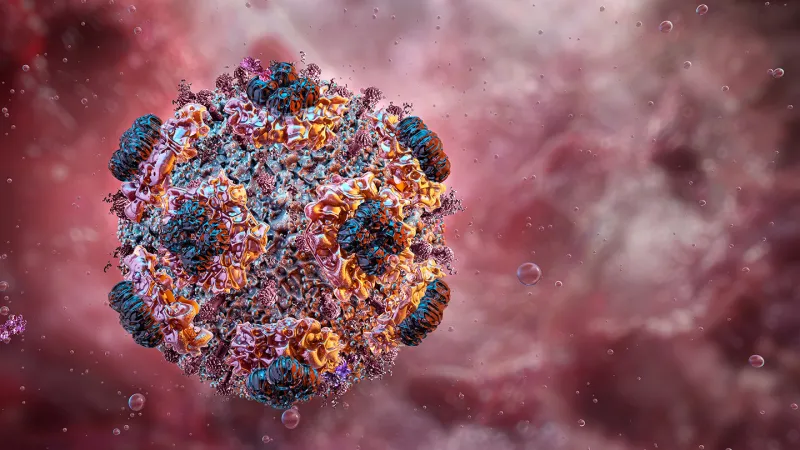
Andes hantavirus kills through a distinct mechanism that differs fundamentally from other respiratory pathogens. Rather than directly destroying lung tissue, the virus triggers a cascade of immune responses that overwhelm the lungs with fluid, leading to acute respiratory distress syndrome and death.
Researchers studying the virus have found that infected cells release excessive amounts of vascular endothelial growth factor (VEGF), a protein that increases blood vessel permeability. This causes fluid to leak from capillaries into lung tissue, essentially drowning patients from the inside. The body's own immune response amplifies this damage as it attempts to fight the infection.
This mechanism distinguishes Andes hantavirus from viruses like influenza or SARS-CoV-2, which directly damage lung epithelial cells. Understanding this difference holds clinical implications. Traditional approaches to treating respiratory viral infections focus on reducing viral load or supporting oxygenation. But if the primary problem is fluid accumulation driven by immune signaling rather than direct tissue destruction, treatment strategies would shift accordingly.
Scientists have identified specific cytokines and growth factors driving this pathological response. Potential interventions could target these signaling molecules rather than the virus itself, potentially offering patients a better chance of survival. Current mortality rates for Andes hantavirus infection reach 35 percent or higher, making the need for new approaches urgent.
The virus spreads primarily through contact with infected rodent feces, urine, or saliva. It emerged as a human pathogen in South America during the 1990s and has killed hundreds since then. Most cases occur in Chile and Argentina, though the virus poses a theoretically global threat given the ubiquity of its rodent reservoirs.
This research underscores a broader principle in virology. The pathology of infection often reflects host immune responses as much as direct viral damage. Recognizing these nuances