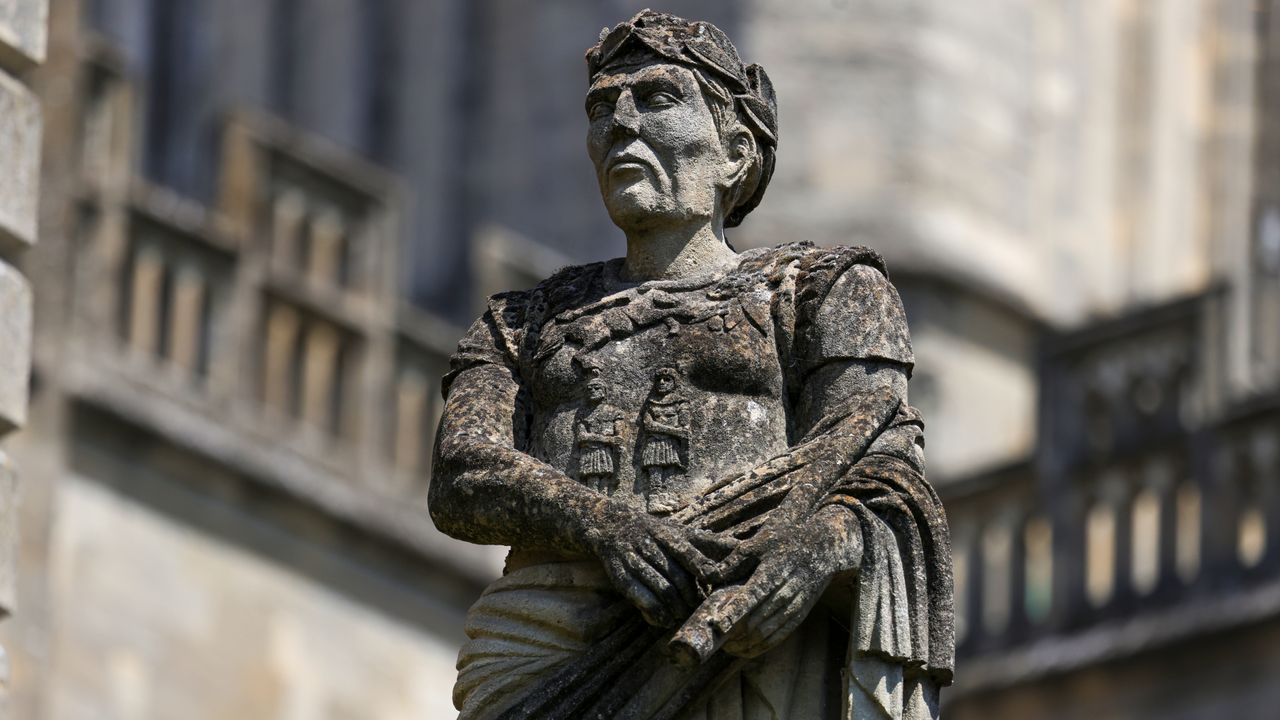
Researchers analyzing ancient DNA have discovered that despite centuries of occupation, both the Roman Empire and Viking invasions left minimal genetic imprints on the British population. The Anglo-Saxon migrations, by contrast, fundamentally reshaped Britain's genetic landscape.
The study examined DNA from archaeological remains and modern Britons to track population movements across millennia. While the Romans occupied Britain for nearly 400 years starting in 43 AD, and Vikings conducted raids and settlements primarily between the 8th and 11th centuries, genetic evidence shows these groups contributed only small proportions to the ancestry of present-day Britons.
The Anglo-Saxon period told a different story. Beginning around the 5th century following Roman withdrawal, Anglo-Saxon migrants from what is now Germany and Denmark introduced substantial genetic material into the British population. Researchers found that Anglo-Saxon ancestry comprises a major component of modern British genetics, particularly in eastern and southern England.
This disparity likely reflects differences in settlement patterns and demographic scale. Roman occupation involved military garrisons and administrators centered in towns and forts, with limited civilian settlement from the Italian peninsula. The Roman military drew recruits from across the empire, including North Africa and the Middle East, but these populations apparently didn't establish lasting reproductive communities in Britain.
Viking settlement patterns similarly produced limited genetic legacy despite their cultural and political influence. Viking populations concentrated in coastal regions and specific inland areas, particularly in the northeast, but their numbers relative to the existing population remained comparatively small.
The Anglo-Saxon migrations, however, involved large-scale population movement and settlement. Families relocated to Britain, establishing communities that reproduced over generations. This demographic shift fundamentally altered the genetic composition of the islands.
The research demonstrates that genetic ancestry tells only part of Britain's complex history. Occupations, invasions, and cultural influences don't necessarily correlate with genetic contribution. The Romans and Vikings left indelible marks