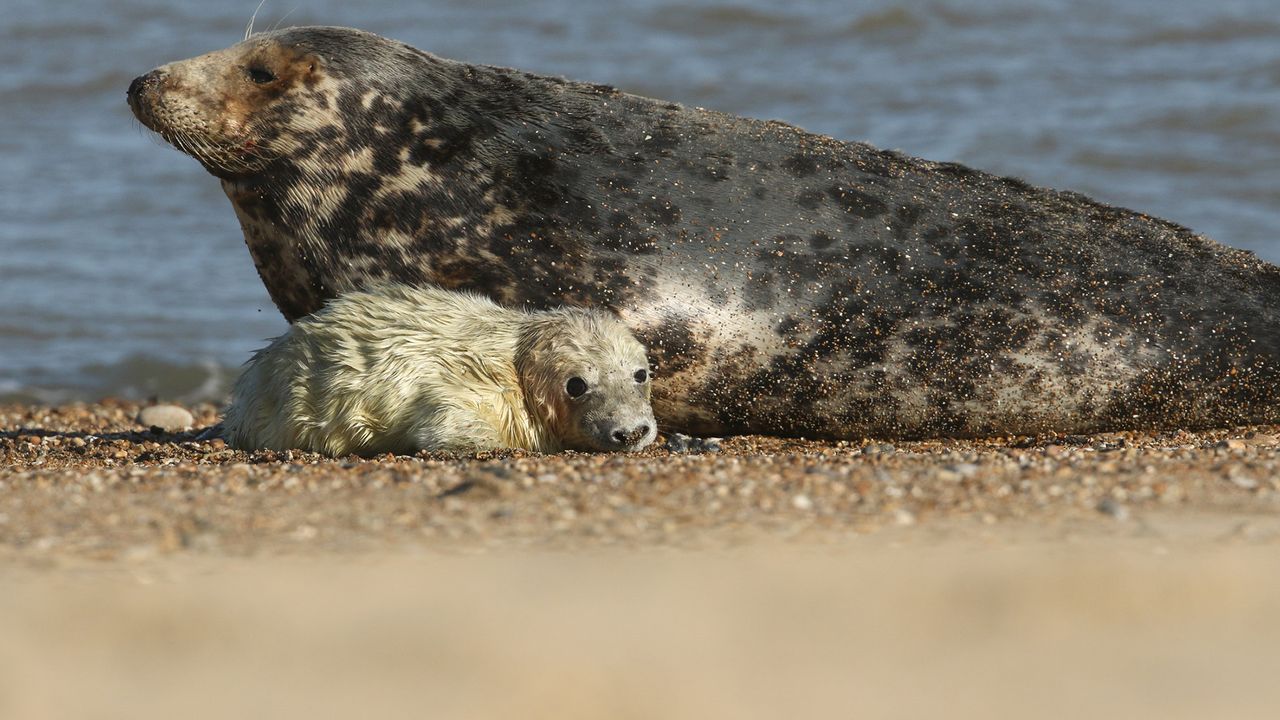
Researchers investigating mysterious deaths of seal pups on a Canadian island have solved a decades-old mystery. The animals bore distinctive spiral-shaped wounds that scientists initially attributed to shark attacks or boat propellers. A new study confirms the injuries result from cannibalism among the seals themselves.
The spiral lesions appear when larger seals attack and consume smaller pups, creating the distinctive rotational wound pattern as the animals feed. This behavior, while shocking, reflects natural predation dynamics within seal colonies where resource scarcity and competition drive adults to consume younger members of their population.
The research team examined dead seal pups collected from the island over multiple years, analyzing wound characteristics and their distribution across carcasses. The pattern of injuries matched documented cases of seal cannibalism observed in other marine mammal populations, particularly during periods of food stress or population density imbalances.
This discovery carries implications for understanding seal colony health and dynamics. High rates of pup cannibalism can indicate environmental pressures, including declining fish stocks that force adult seals to seek alternative food sources. Monitoring these mortality patterns provides researchers with indirect indicators of ocean ecosystem conditions and prey availability.
The findings also highlight how initial assumptions about wildlife deaths can mislead investigations. Without detailed forensic analysis and knowledge of animal behavior patterns, researchers risk misidentifying causes and drawing incorrect conclusions about threats to populations. The spiral wound pattern, while distinctive, required careful comparison with known cannibalism cases to confirm the true culprit.
Understanding the frequency and triggers of cannibalism in seal populations helps marine biologists assess colony stability and predict population responses to environmental changes. The research demonstrates how marine mammals adapt to challenging conditions, even through behaviors that seem counterintuitive from a human perspective.