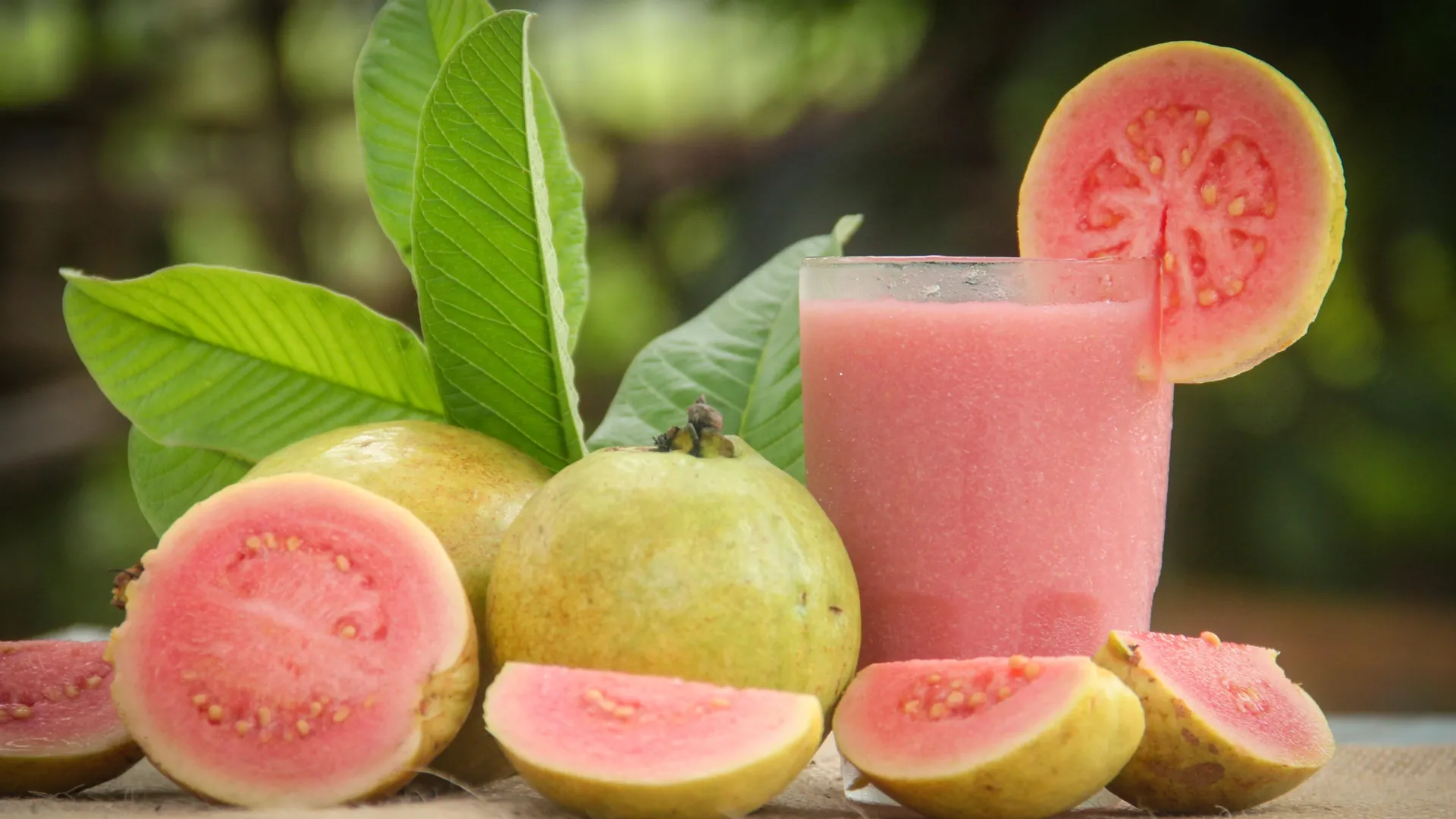
Researchers have found that guava juice may substantially improve iron absorption when consumed alongside supplements, offering a low-cost intervention for anemia in resource-limited regions.
A review of 17 studies examined the effects of guava juice on hemoglobin levels in women and teenage girls taking iron supplements. Participants who drank guava juice alongside their supplements showed noticeable increases in hemoglobin, the protein in red blood cells that carries oxygen throughout the body. The mechanism behind this improvement lies in guava's exceptional vitamin C content. Vitamin C enhances iron bioavailability by reducing ferric iron to ferrous iron, a form the intestines absorb more readily.
Guava contains significantly more vitamin C than oranges, making it a practical alternative for populations where citrus fruits are unavailable or expensive. Iron deficiency anemia affects roughly 1.2 billion people worldwide, particularly in low and middle-income countries where affordable interventions remain crucial for public health.
The research suggests pairing guava juice with iron supplements could address absorption issues that plague standard supplementation programs. Many people taking iron pills experience poor uptake due to dietary and physiological factors. Adding a vitamin C-rich beverage sidesteps this problem without requiring pharmaceutical modifications or expensive fortification strategies.
However, the review has limitations. The included studies varied in methodology, dosage amounts, and study duration, which may affect the reliability of combined conclusions. Researchers did not specify optimal guava juice quantities or timing relative to iron intake. The studies focused on women and girls, leaving open questions about effectiveness in men and other populations. Additionally, individual variation in gut health and overall nutrition status influences iron absorption independent of juice consumption.
Future research should standardize dosing protocols and expand testing to diverse demographics. Scientists should also investigate whether fresh guava juice performs differently from processed versions, and whether guava supplements offer comparable benefits. Despite these gaps