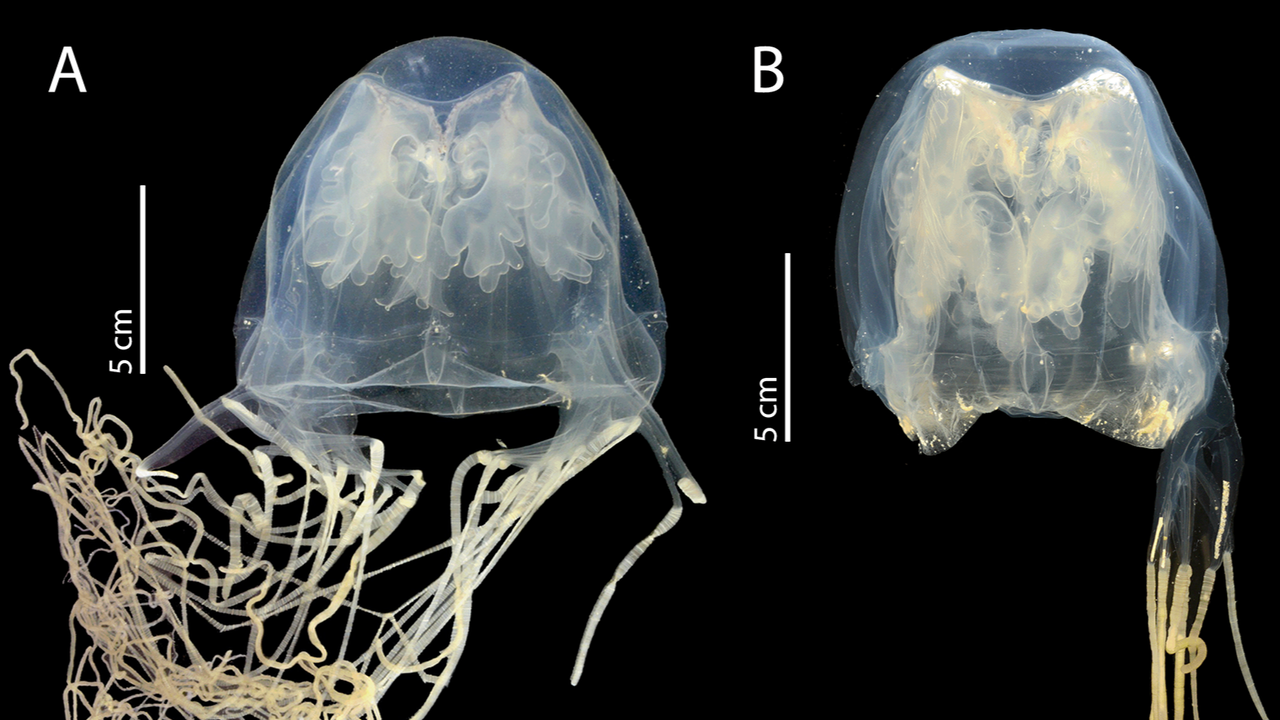
Researchers working in Singapore have identified a previously unknown species of box jellyfish while also documenting unexpected geographic expansion of the Thai sea wasp, a highly venomous jellyfish species. The discovery emerged from morphological and genetic analysis of specimens collected in Singaporean waters.
Box jellyfish represent some of the ocean's most dangerous creatures. The Thai sea wasp (Chironex yamaguchii) delivers a sting potent enough to cause severe pain, tissue damage, and potentially fatal reactions in humans. The identification of this species in Singapore waters marks a notable range extension beyond its previously documented habitat in Thailand and other parts of Southeast Asia.
The researchers combined traditional morphological examination with DNA sequencing to classify the specimens. This dual approach proved essential for accurate species identification, as box jellyfish can be difficult to distinguish based on physical characteristics alone. The genetic analysis revealed the presence of both the newly identified species and the range-expanded Thai sea wasp population.
The location of this discovery near an area nicknamed "Island of Death Behind" underscores the practical concerns for public health and water safety. Singapore's warm coastal waters provide suitable habitat for these jellyfish, and increased tourism and maritime activity in the region elevate human encounter risk.
The significance of this work extends beyond taxonomy. Range expansions of dangerous marine organisms often reflect broader environmental changes, including shifting ocean temperatures and currents. Understanding where venomous species are present helps coastal communities implement appropriate safety measures and warning systems for swimmers and divers.
The study adds to growing evidence that marine biodiversity distribution patterns are changing. While the article did not name specific researchers or the journal where findings will appear, the work demonstrates how systematic biological surveys can reveal both unknown species and shifting populations of known dangerous organisms. Future monitoring of these jellyfish populations in Singapore and surrounding waters remains important for coastal management and public safety.