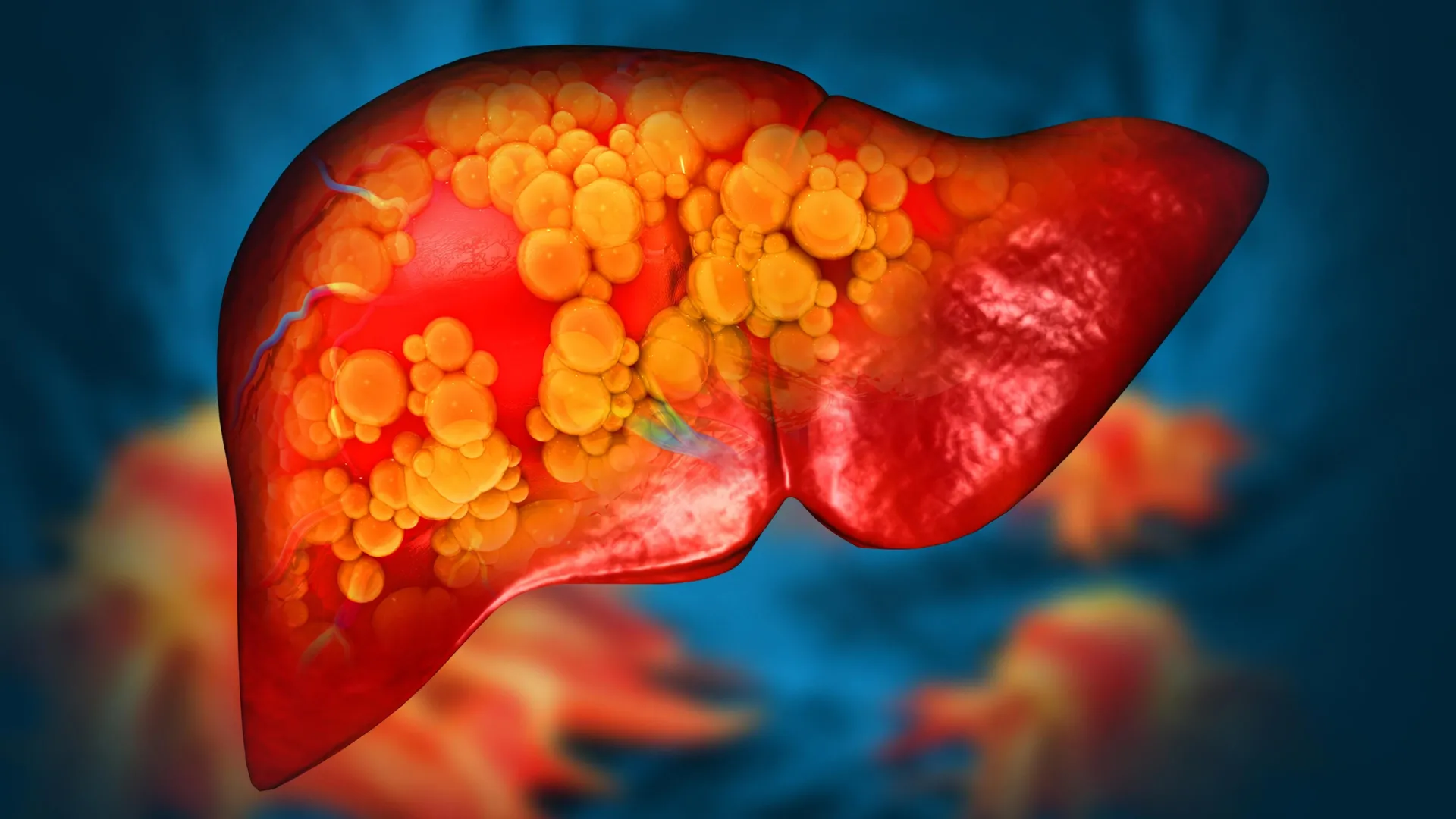
Researchers at UC San Diego have identified a novel therapeutic approach to MASH, metabolic dysfunction-associated steatohepatitis, a progressive liver disease that causes severe inflammation and fibrosis. The team developed ION224, an experimental compound that inhibits a specific liver enzyme responsible for accumulating fat within hepatocytes and triggering inflammatory cascades. This dual mechanism addresses the root biological problem rather than simply managing symptoms.
Clinical trial data demonstrated that patients receiving ION224 experienced measurable improvements in liver histology and function markers. Notably, these improvements occurred independent of weight loss, which distinguishes this treatment from lifestyle-based interventions that typically require significant dietary or exercise changes. The enzyme inhibition approach prevents the metabolic dysfunction cycle that normally perpetuates fat deposition and tissue damage.
MASH affects an estimated 6 percent of the global population, with prevalence rising alongside obesity rates. Unlike earlier-stage fatty liver disease, MASH progresses rapidly toward cirrhosis, liver failure, and hepatocellular carcinoma. Current treatment options remain limited to lifestyle modifications and management of underlying metabolic conditions like diabetes. No FDA-approved pharmacological treatments specifically target MASH mechanisms, making ION224 a potentially significant advancement.
The study's strength lies in demonstrating biological efficacy through direct liver examination rather than relying solely on circulating biomarkers. The drug's ability to produce benefits without weight reduction expands its applicability to patients unable to achieve substantial weight loss through conventional means.
Limitations include the typical early-stage clinical trial constraints, relatively modest patient sample sizes, and unknown long-term safety profiles. Researchers have not yet disclosed specific efficacy metrics, adverse event rates, or the duration of treatment required. The pathway to FDA approval typically requires additional Phase 2 and Phase 3 trials involving larger patient populations and extended follow-up periods.
UC San