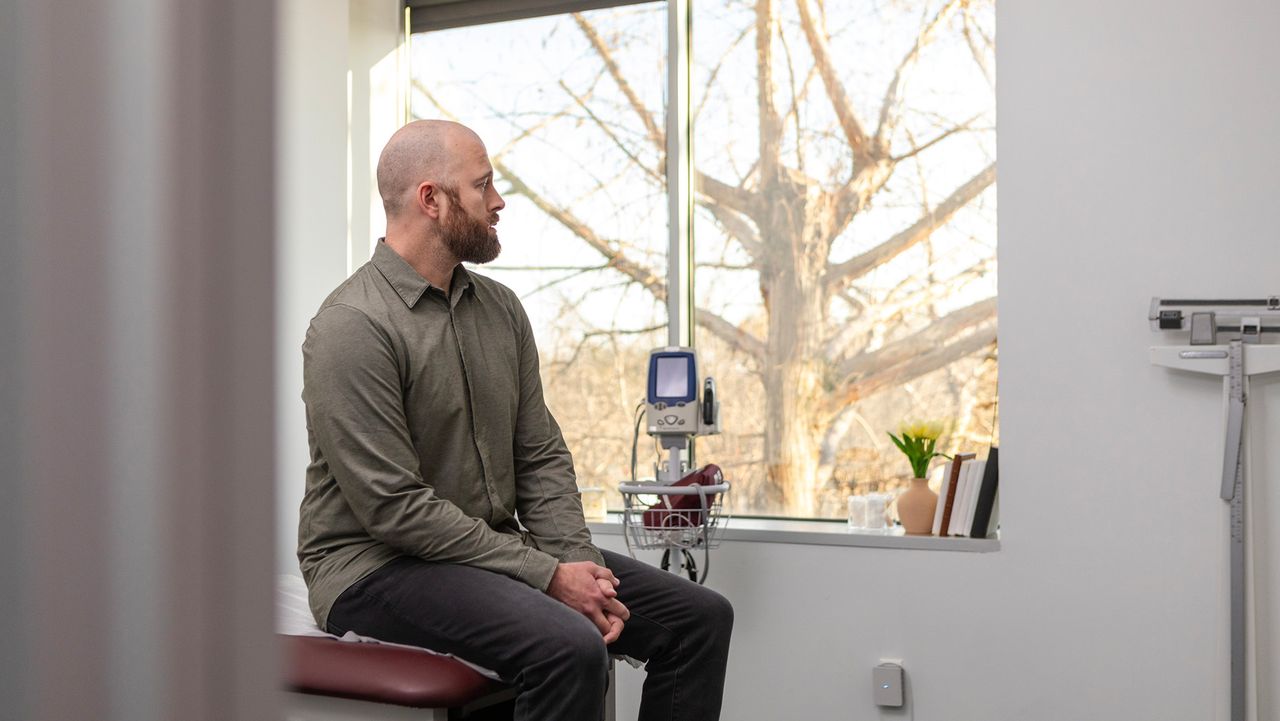
# Young People Face Rising Colorectal Cancer Rates
Colorectal cancer incidence among people under 65 has climbed steadily over recent decades, even as rates among older adults decline. This divergent trend puzzles epidemiologists and oncologists tracking the disease.
The shift reflects a troubling pattern. Adults aged 50 and younger now account for a larger proportion of new colorectal cancer diagnoses than they did 30 years ago. Screening guidelines historically targeted people 50 and older, meaning many younger patients receive diagnoses at advanced stages when treatment becomes more difficult.
Researchers investigating the causes point to lifestyle and environmental factors. Obesity rates among younger generations exceed those of previous cohorts at comparable ages. Processed food consumption, sedentary behavior, and antibiotic use patterns differ markedly from earlier decades. Some studies suggest alterations in the gut microbiome tied to these exposures may increase cancer risk.
Other hypotheses focus on changes in alcohol consumption among young adults and reductions in physical activity. Earlier antibiotic exposure during childhood could affect immune development and cancer susceptibility later in life. Screening practices reveal another layer, the American Cancer Society raised its recommended screening age to 45 in 2021, acknowledging the rising burden in younger populations.
The mechanism remains incompletely understood. Unlike some cancers with clear hereditary components, most early-onset colorectal cancers appear sporadic. Researchers are examining whether specific microbial signatures or metabolic patterns distinguish younger patients from older ones.
This trend carries clinical urgency. Younger patients often present with later-stage disease, worsening prognosis. They may also face different treatment tolerability and long-term survival concerns than older adults. Understanding why rates rise in youth while declining in seniors offers clues to underlying causes and prevention opportunities.
Medical institutions increasingly recommend earlier screening conversations. Individuals