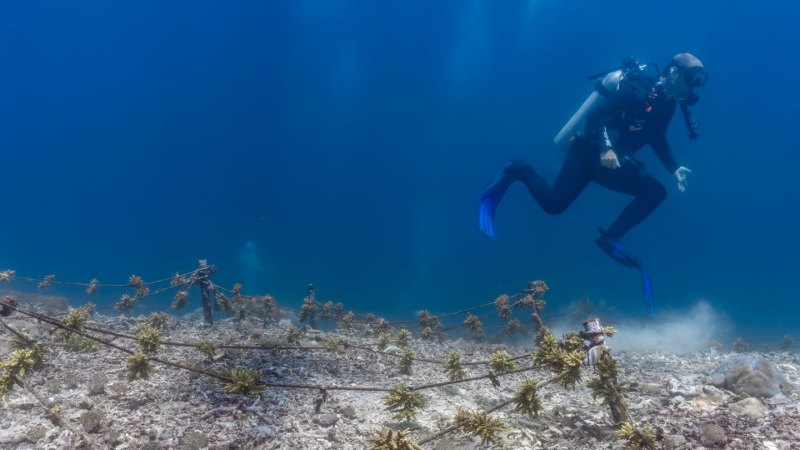
A new study analyzing diving videos and survey data has identified specific behaviors by even experienced scuba divers that damage coral reefs, revealing that careful technique alone cannot prevent harm in high-traffic diving areas.
Researchers examined hours of footage from recreational divers alongside responses from hundreds of participants to catalog the most common reef-damaging behaviors. The analysis shows that careless fin kicks, accidental hand contact, and equipment strikes cause physical injury to corals, breaking fragile branches and disrupting the delicate organisms that form reef ecosystems.
The research demonstrates that damage occurs across all skill levels. Even divers who follow established safety guidelines inadvertently harm reefs through seemingly minor infractions. Fins striking coral heads, divers touching or standing on the reef, and backpacks or regulators snagging on formations represent the primary culprits. In popular diving destinations with heavy foot traffic, this cumulative damage translates to substantial reef degradation over time.
The study's implications extend beyond individual diver behavior. The findings suggest that management strategies for dive sites must account for the reality that education and technique improvements alone cannot sufficiently protect reefs. Instead, protecting coral ecosystems requires interventions such as limiting diver numbers, establishing no-touch zones, creating designated pathways on the seafloor, and potentially restricting access to the most fragile areas.
Coral reefs face mounting pressure from climate change, ocean acidification, and pollution. This research adds another stressor to the list while offering practical solutions. Dive operators and marine protected area managers can use these specific behavioral insights to design interventions that reduce reef damage without eliminating diving entirely, which supports both conservation and the livelihoods of tourism-dependent communities.
The study underscores that protecting reefs requires systemic changes, not just individual responsibility. While diver education remains valuable, implementing structural barriers and access restrictions addresses the mechanical reality that human presence in