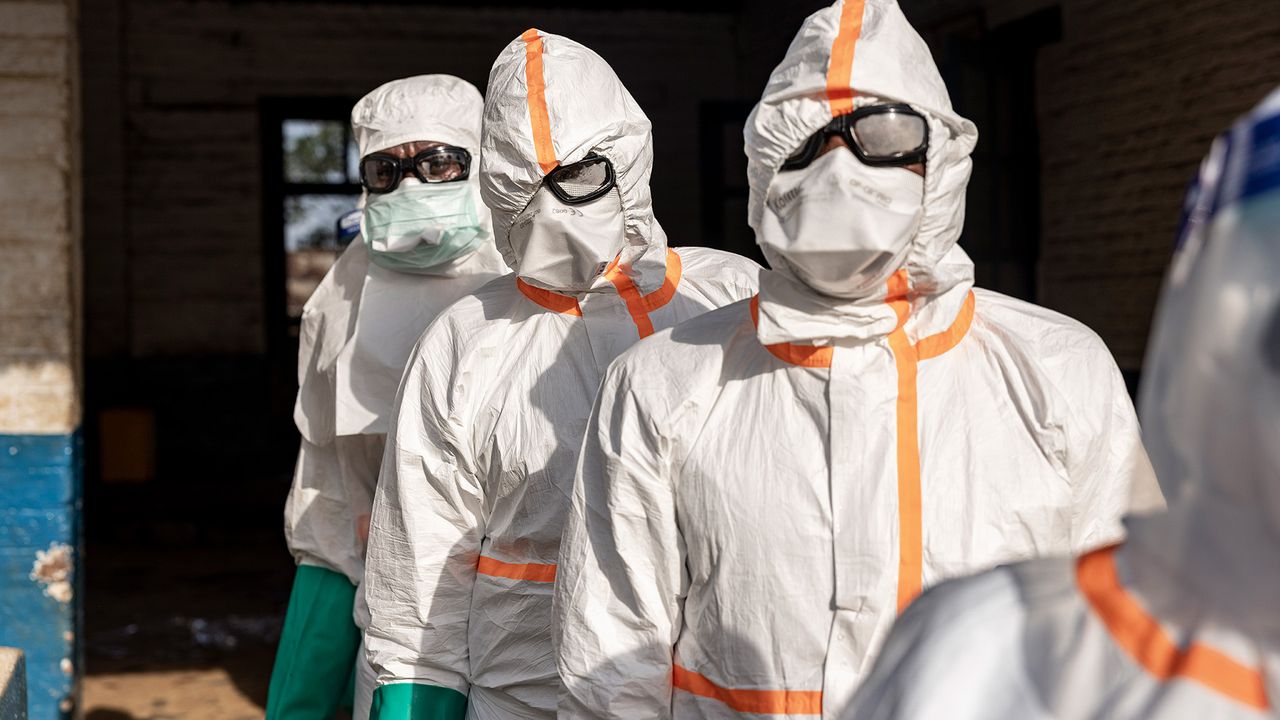
The Ebola outbreak spreading through Central Africa presents severe containment challenges that extend beyond the virus itself. Experts cite three critical obstacles: active armed conflict destabilizing the region, insufficient vaccine supplies, and limited international support.
Ongoing violence complicates outbreak response in multiple ways. Fighting disrupts healthcare infrastructure, displaces populations, and creates conditions where the virus spreads rapidly through refugee camps and unstable communities. Health workers face danger attempting to reach affected areas, and vaccination campaigns cannot proceed safely when armed groups control territory.
The vaccine shortage compounds these problems. While effective Ebola vaccines exist, production capacity remains limited. Central African nations have competing health crises and limited resources to secure doses quickly. Distribution networks collapse under conflict, leaving vulnerable populations unprotected even if vaccines arrive.
International aid constraints worsen the situation. Donor fatigue, competing global health priorities, and diplomatic tensions reduce funding and personnel available for outbreak response. Organizations like the World Health Organization struggle to mobilize rapid support, particularly in unstable regions where operational costs rise and security risks mount.
Central Africa's previous Ebola outbreaks offer cautionary lessons. The 2018-2020 Kivu epidemic in the Democratic Republic of Congo killed over 2,200 people partly because fighting prevented vaccination teams from reaching communities. Health workers faced attacks from armed groups suspicious of their intentions. Contact tracing became nearly impossible when populations fled conflict zones.
The current outbreak's trajectory depends on whether these barriers can be addressed quickly. Even modest improvements in regional security, vaccine access, or international engagement could slow transmission. Without intervention, experts warn the virus will establish itself across multiple countries, with case counts potentially exceeding previous epidemics.
Public health authorities are working to engage local community leaders and armed factions to permit medical access, but progress remains slow. The convergence of infectious disease, geopolitical instability, and healthcare collapse creates conditions rarely seen since