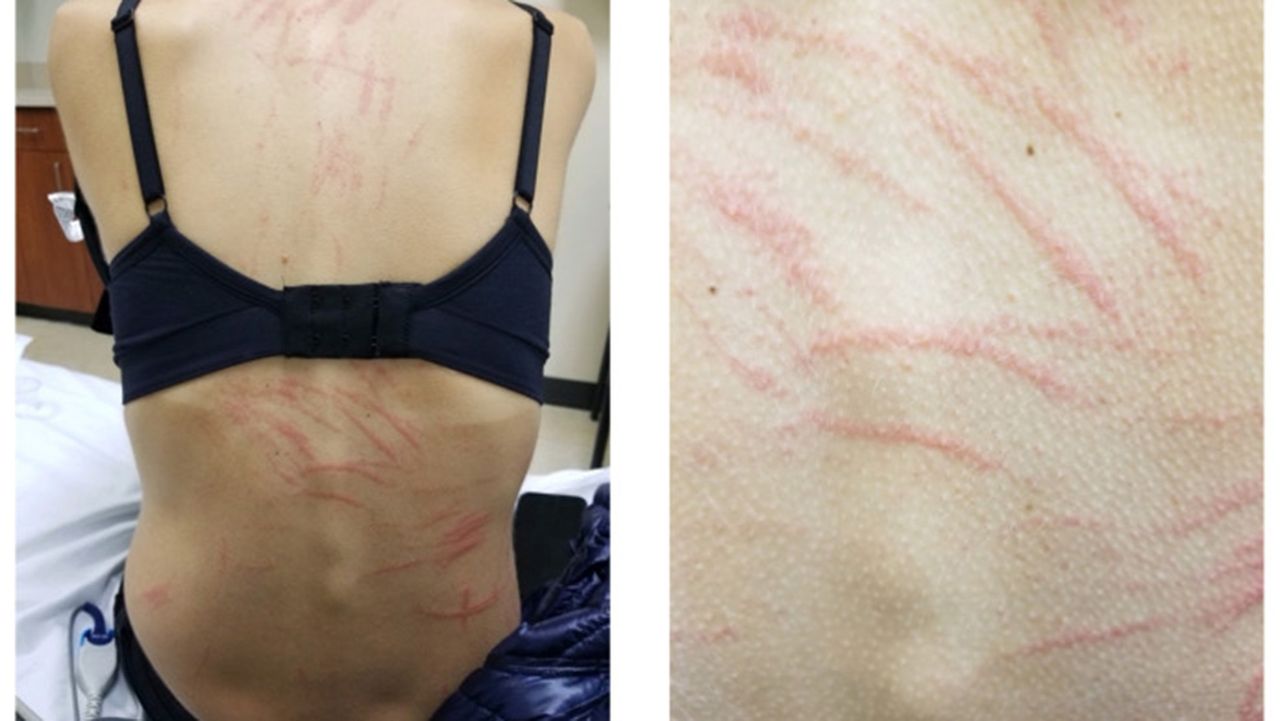
A woman experienced a rare but documented reaction after consuming shiitake mushrooms. Bright red, linear rashes resembling whip marks appeared across her back, creating diagnostic confusion initially.
The condition is called shiitake dermatitis, a contact or ingestion-related reaction to compounds in raw or undercooked shiitake mushrooms. The mushrooms contain lentinan and other polysaccharides that trigger inflammatory responses in susceptible individuals. Symptoms typically emerge 24 to 48 hours after exposure.
The rashes appear as linear streaks or welts, often in a pattern that suggests external trauma, which explains why clinicians sometimes misdiagnose the condition. In this case, the distinctive whiplike marks on the patient's back matched classic presentations documented in dermatology literature. The reaction occurs more frequently in people with certain genetic sensitivities or those consuming large quantities of raw shiitake mushrooms.
Treatment focuses on symptom management. Topical corticosteroids and oral antihistamines typically reduce inflammation and itching. Most cases resolve within two to three weeks without intervention. Severe reactions may require systemic corticosteroids.
Prevention requires cooking shiitake mushrooms thoroughly. Heat destroys the inflammatory compounds responsible for the reaction. People with previous episodes of shiitake dermatitis should avoid raw or lightly cooked varieties.
This case illustrates how unusual presentations of common foods can perplex even experienced clinicians. Shiitake dermatitis remains underdiagnosed partly because affected individuals may not immediately connect their symptoms to recent mushroom consumption. Dermatologists increasingly recognize the condition as shiitake mushroom consumption grows globally. The striking appearance of the rashes, while alarming to patients, aids diagnosis once the connection to food intake becomes apparent.