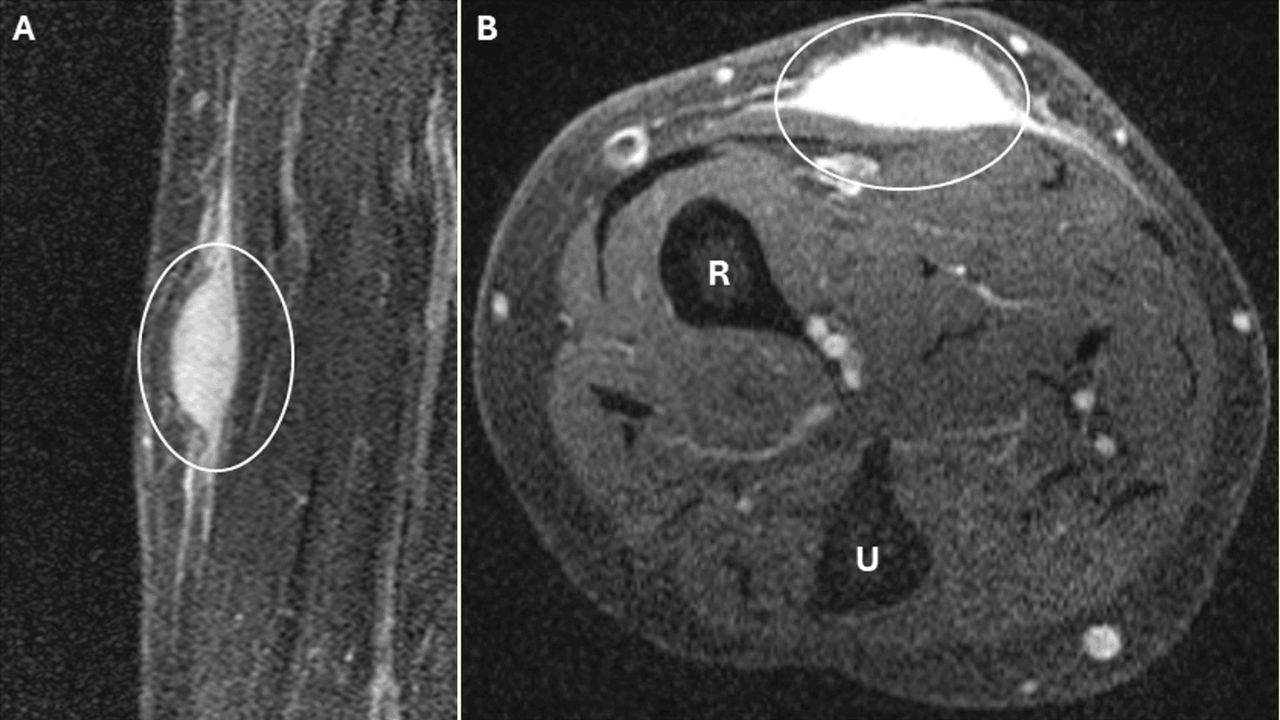
A woman's arm tumor vanished after a diagnostic biopsy, suggesting the procedure itself may have triggered the cancer's collapse. Doctors at an undisclosed institution documented this unusual case, which demonstrates how the body's immune system can sometimes eliminate cancer cells after minimal intervention.
The patient presented with a growth on her arm. Clinicians performed a biopsy, a standard diagnostic procedure that removes a small tissue sample for laboratory analysis. Rather than progressing as expected, the tumor regressed dramatically in the weeks following the biopsy. Imaging studies confirmed the lesion had disappeared entirely without chemotherapy, radiation, or other conventional cancer treatments.
The phenomenon researchers observed aligns with "spontaneous regression," an extremely rare occurrence in oncology where cancers resolve without therapy. Though medical literature documents sporadic cases of tumor disappearance, the mechanism remains poorly understood. One leading hypothesis involves immune system activation. The biopsy procedure causes localized inflammation and tissue damage, potentially triggering an immune response that recognizes and destroys cancer cells throughout the affected area.
The biopsy may have also caused necrosis, or cell death, within the tumor. Dying cancer cells release antigens that alert the immune system to the presence of malignancy. This inflammatory cascade can stimulate T cells and other immune components to target remaining tumor tissue.
Such cases carry important clinical implications. They suggest that in select patients, the body possesses latent capacity to control cancer growth. Understanding what factors enabled this woman's immune system to overcome her cancer could inform future immunotherapy development. However, spontaneous regression remains exceedingly uncommon, affecting fewer than one percent of cancer patients.
Doctors emphasize this case should not discourage standard cancer treatment. Most tumors require aggressive intervention. This woman likely benefited from a combination of chance and individual immunological factors that cannot be reliably reproduced across patient populations. Still, documenting unusual responses