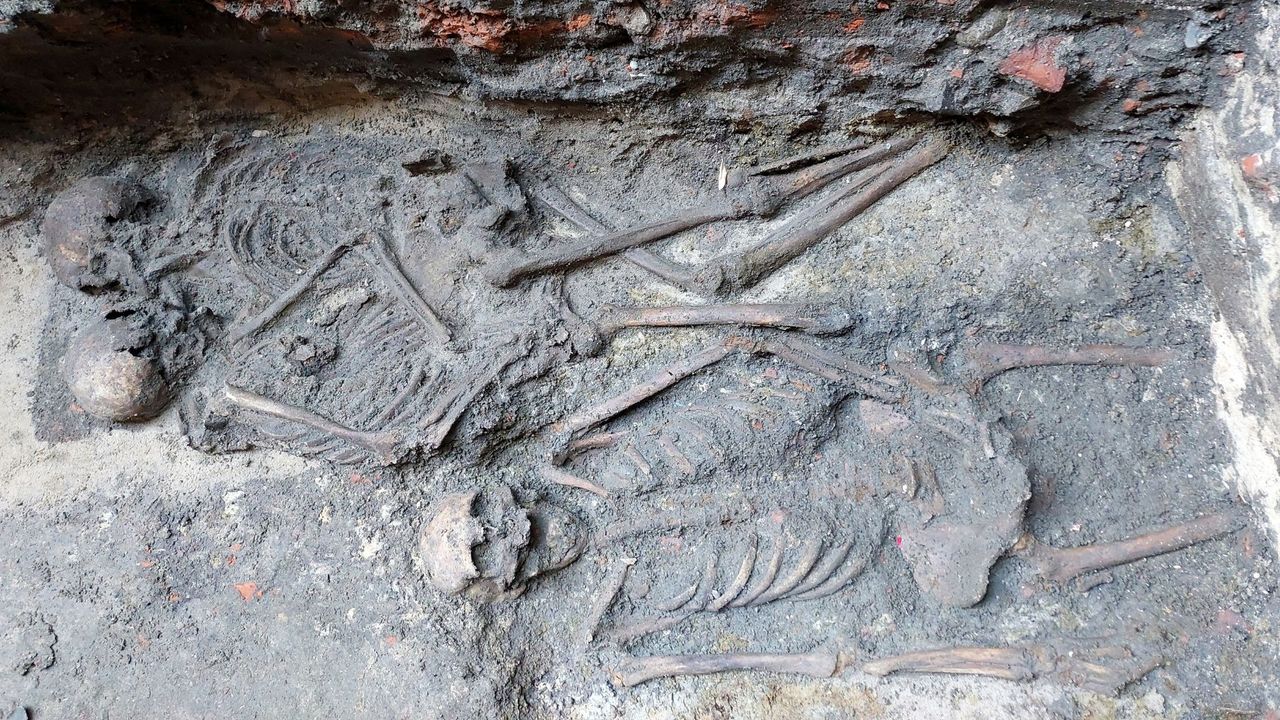
Researchers have confirmed that two medieval skeletons discovered in an embrace beside a 13th-century cathedral in Poland were both women, solving an 800-year-old mystery about their identities and relationship.
Scientists at the University of Warsaw analyzed ancient DNA from the remains, which were unearthed near Wroclaw Cathedral. The genetic testing definitively established that both individuals were female, making this Poland's only known medieval same-sex double burial. The skeletons, positioned face-to-face in close contact, date to around the 1200s.
The discovery raises intriguing questions about how these two women were understood in medieval Polish society. Their burial arrangement, intentionally positioned together in an embrace, suggests they held significance to one another and their community. Whether they were sisters, friends, companions, or partners remains unknown based on current evidence.
The research adds to growing archaeological evidence that same-sex relationships and ceremonies existed throughout history and across cultures, even in periods and places where they may have been socially or religiously discouraged. Medieval burials with close physical positioning are uncommon, making this discovery particularly noteworthy.
The skeletal analysis alone cannot reveal the specific nature of the women's relationship. Researchers cannot determine age differences, whether they lived simultaneously, or other biographical details from DNA analysis. The cathedral's records from that era, if they exist, have not yet provided additional context about these individuals' identities or social status.
This finding contributes to a broader reassessment of medieval attitudes toward gender and relationships. It suggests that some communities may have acknowledged and honored same-sex bonds through funerary practices, regardless of official religious doctrine. The careful positioning and burial together indicates deliberate choice by those who interred them, rather than accidental co-placement.
The University of Warsaw team continues examining the remains for additional clues about diet, health, and origins. Future isotope