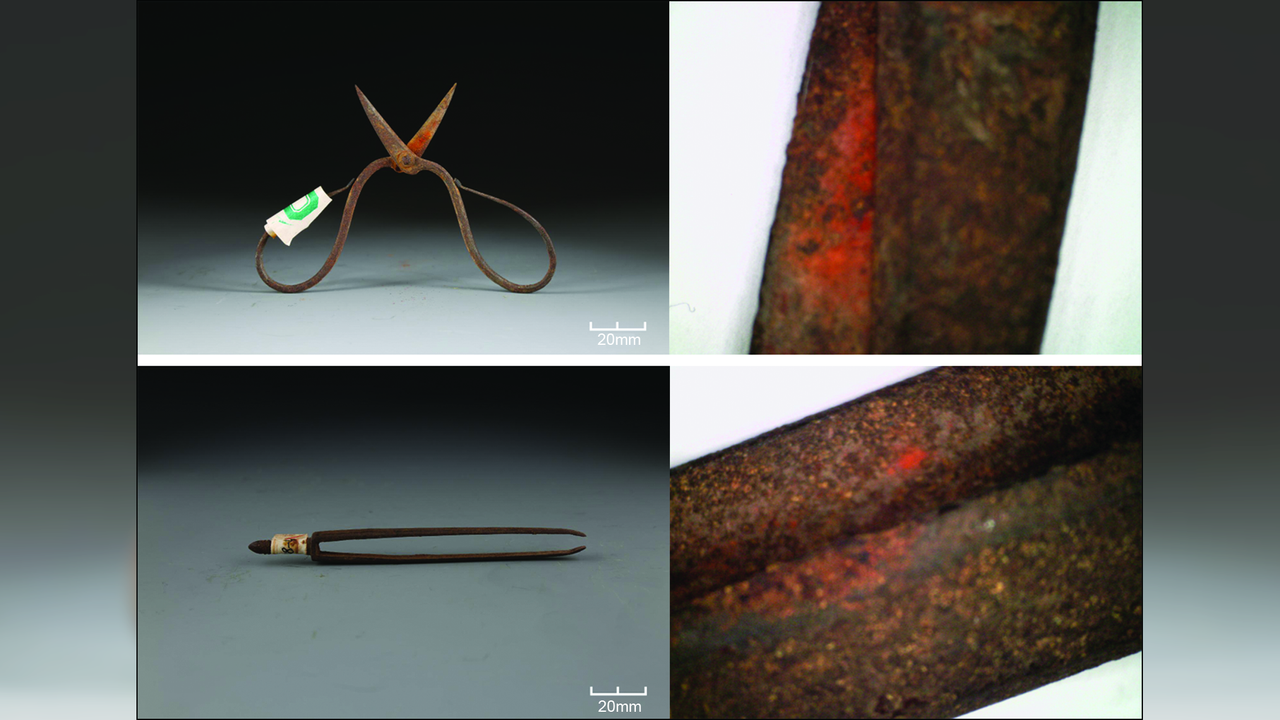
Researchers have identified chemical residue on Ming dynasty surgical instruments that represents the oldest known evidence of a topical anesthetic applied to surgical tools. The discovery marks a significant milestone in the history of anesthesia and Chinese medical practice.
Scientists analyzed residue preserved on surgical blades and other instruments dating to the Ming dynasty, roughly 1368 to 1644 CE. Chemical analysis revealed traces of a toxic plant compound used as a topical anesthetic to numb the skin before surgical procedures. This finding predates previously documented uses of chemical anesthetics in surgery by centuries.
The identification of this anesthetic compound on actual surgical tools provides direct physical evidence that Ming dynasty physicians applied pharmacological methods to reduce pain during medical procedures. Rather than relying solely on written historical records, researchers worked with tangible artifacts that had been used in clinical practice. This approach offers concrete proof of how ancient surgeons managed patient pain.
The compound identified on the instruments is toxic in nature, which raises questions about how practitioners managed dosing and safety risks. The residue suggests that surgeons deliberately applied the anesthetic to specific surgical sites rather than using systemic administration, a targeted approach that would minimize exposure.
This research expands understanding of anesthesia's history beyond European surgical traditions. Chinese medicine developed sophisticated pain management techniques independently, incorporating plant-based compounds into surgical practice centuries before similar approaches became standard in Western medicine. The Ming dynasty period represents a peak in Chinese surgical innovation and technical skill.
The study contributes to a broader recognition that non-Western medical traditions developed advanced pharmaceutical knowledge. Archaeological and chemical analysis of historical medical tools reveals practical applications that written texts alone cannot fully capture. This work demonstrates how cross-disciplinary investigation of artifacts yields fresh insights into medical history and ancient knowledge systems.