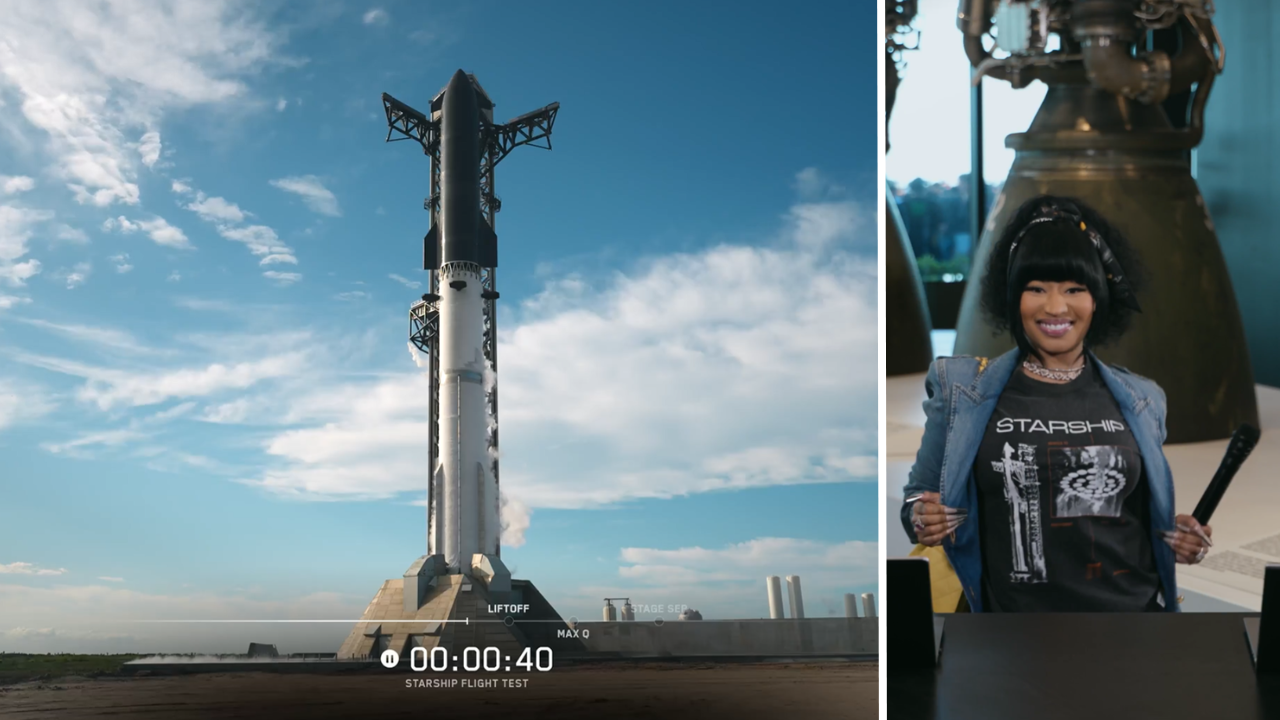
SpaceX postponed its first integrated flight test of the Starship V3 megarocket on Thursday, May 21, due to technical issues encountered during final launch preparations. The company made the decision at the last minute, preventing the debut launch of the upgraded vehicle configuration.
The V3 variant represents SpaceX's latest iteration of the fully integrated Starship system, which comprises the Super Heavy booster and the upper-stage Starship spacecraft. This configuration incorporates design refinements and capability enhancements over previous versions tested in April and April 2023.
No immediate details emerged about the specific technical problem that triggered the scrub. SpaceX typically conducts additional inspections and troubleshooting following such delays before announcing a new launch window. The company's launch operations at Starbase in Boca Chica, Texas, frequently experience schedule adjustments as engineers address hardware issues and weather constraints.
The V3 launch represents a continuation of SpaceX's rapid iteration approach for the Starship program. Each integrated flight test builds on data collected from previous attempts, progressively advancing toward the system's operational goals. The program aims to develop a fully reusable super-heavy-lift launch vehicle capable of supporting lunar missions under NASA's Artemis program and eventual crewed Mars missions.
SpaceX has maintained an aggressive test cadence despite frequent setbacks, launching successive Starship integrated flight tests roughly every one to three months. This strategy prioritizes gathering real-world performance data over extended development timelines.
The postponement occurred despite widespread attention to the launch event, which had drawn public interest including celebrity attendees. The technical focus required for managing a complex megarocket system ultimately took priority over the scheduled timeline.