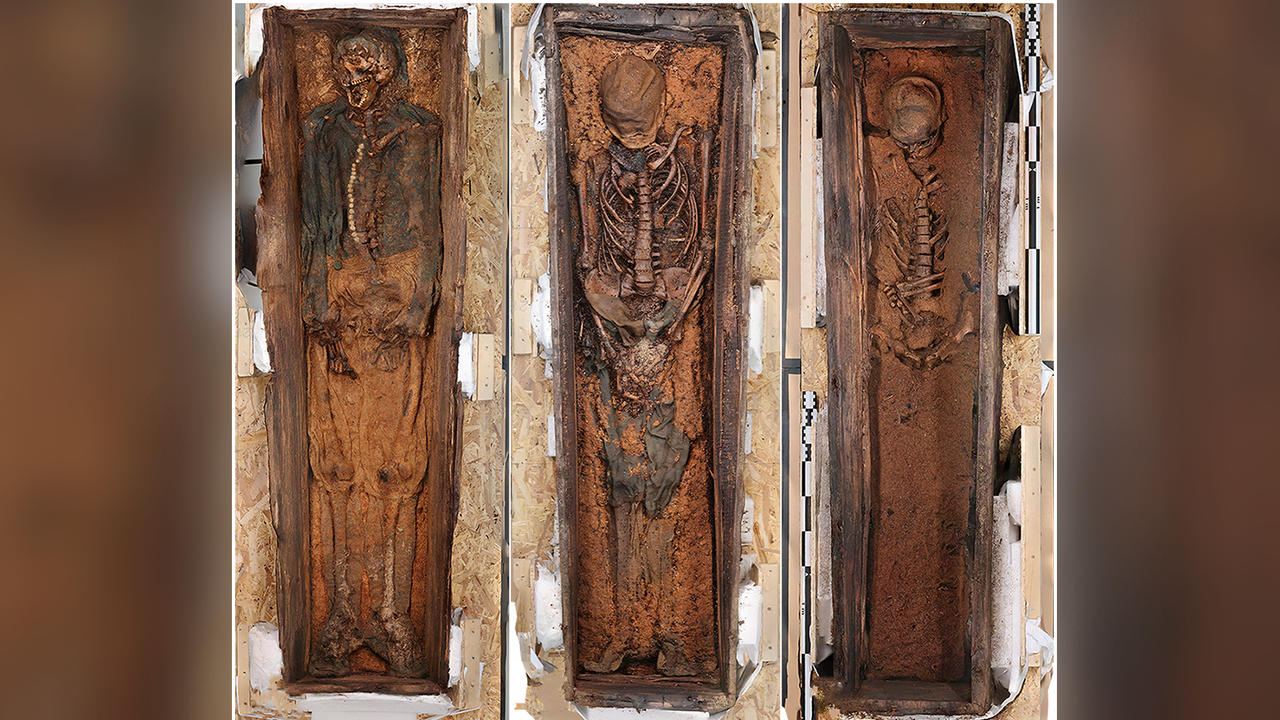
Archaeologists excavating remains at a site nicknamed "Corpse Point" in Svalbard have identified widespread scurvy among early modern whalers, revealing the harsh conditions these workers endured. The skeletal analysis documents a population ravaged by vitamin C deficiency, occupational stress, and the physical toll of whaling in the Arctic.
The discovery provides direct evidence of how scurvy devastated whaling crews operating in the remote Arctic during the 16th and 17th centuries. Vitamin C deficiency caused bone degradation, tooth loss, and anemia that killed mariners far from supply routes. The whalers' remains show characteristic skeletal markers of advanced scurvy, including periosteal reactions on long bones and orbital floor lesions.
Beyond nutritional deficiency, the skeletons document the brutal reality of the whaling industry. Researchers found evidence of heavy physical labor through bone remodeling patterns consistent with the repeated strain of hauling whale carcasses, operating heavy equipment, and rendering blubber. The remains also contained pipe fragments lodged in tooth sockets, suggesting that smoking was a common practice among the crew, possibly as an attempt to mask the smell of processing whale oil or to pass time during long Arctic winters.
The Svalbard site offers rare archaeological insight into the lives of ordinary sailors who powered European maritime expansion. Most historical records focus on officers and navigators, leaving the experiences of common laborers largely undocumented. These skeletal remains fill that gap by providing bioarchaeological data on diet, health, occupation, and daily life.
The findings underscore why naval exploration eventually prioritized fresh provisions and citrus fruits. Although scurvy's cause and prevention remained poorly understood during the early whaling era, the connection between fresh food and crew survival became increasingly apparent through accumulated deaths. The "Corpse Point" whalers represent the human cost