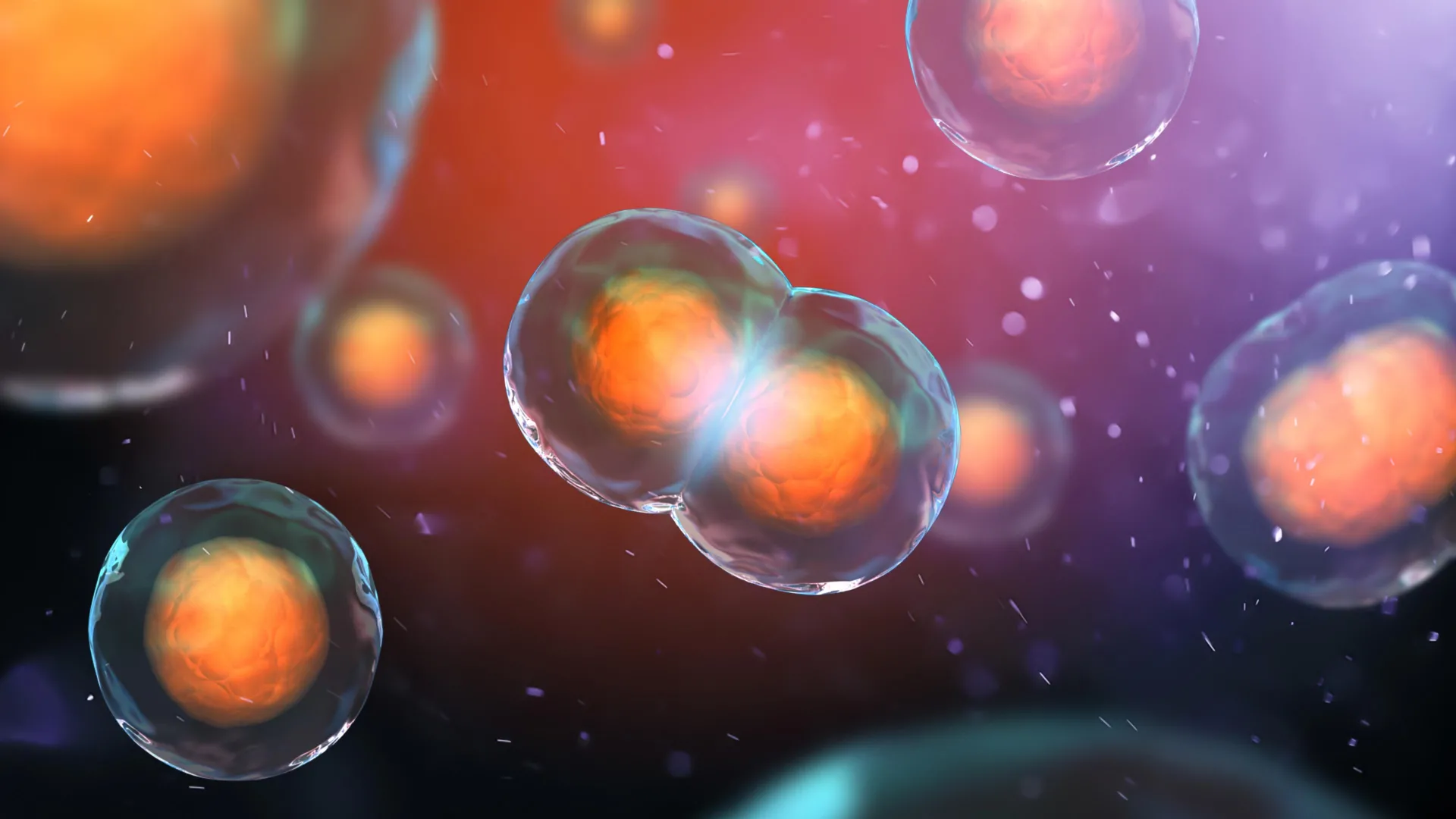
Researchers have identified why some cells with doubled DNA escape normal death mechanisms, a finding that illuminates a process tied to aging and cancer development.
When cells divide, they copy their DNA and then split into two daughter cells. Occasionally this process fails at the final step, leaving a single cell with twice the normal genetic material. These polyploid cells should trigger programmed cell death, or apoptosis, but some evade this safeguard.
The research reveals that polyploid cells vary in their vulnerability to death signals. This variation determines whether aberrant cells persist in tissue or are eliminated before they accumulate additional mutations that drive disease.
The discovery addresses a long-standing puzzle in cell biology. Scientists knew that polyploidy occurred frequently in aging tissues and cancer biopsies, but they lacked clear understanding of why some polyploid cells survived when others died. The answer involves differences in how these cells respond to cellular stress and checkpoint controls.
Understanding this mechanism opens therapeutic possibilities. If researchers can identify which polyploid cells resist death and why, they might develop treatments to force elimination of these dangerous outliers. Such approaches could slow aging-related decline or prevent cancer progression before tumors fully form.
The work also clarifies why polyploidy appears in both natural aging and pathological conditions. Rather than polyploidy itself being uniformly harmful or benign, the fate of individual polyploid cells determines tissue health outcomes. Some persist harmlessly while others accumulate additional genetic damage.
This research connects fundamental cell biology to human disease. Polyploid cells have been documented in cardiac tissue, neurons, and many cancer types. The variability in death resistance suggests that tissues employ different strategies to manage division errors, reflecting their distinct functions and regenerative demands.
Future work should identify the molecular signals that distinguish polyploid cells destined for death from those that survive. Such identification could enable targeted interventions in aging and cancer prevention