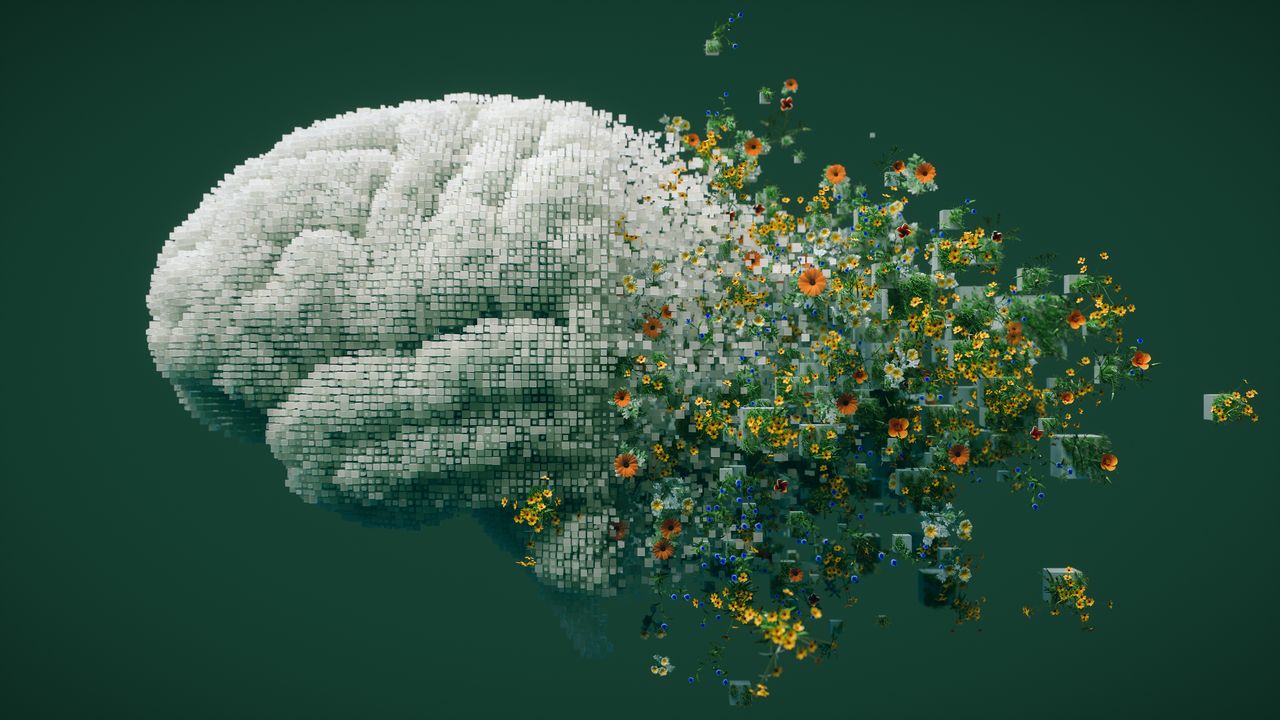
Researchers have identified a solution to model collapse, a phenomenon where AI systems trained on synthetic data generated by other AI models begin deteriorating in quality. The problem emerges as AI systems increasingly train on data created by previous AI iterations rather than original human-generated content, creating a feedback loop that degrades performance over successive generations.
Scientists discovered that strategically introducing human-generated data during training prevents this degradation. When AI models encounter authentic human-created content alongside synthetic data, they maintain performance levels and avoid the quality decline associated with pure AI-on-AI training pipelines.
The research addresses a pressing challenge in machine learning. As AI systems proliferate and generate vast amounts of synthetic content online, future AI models will inevitably train on this material. Without intervention, each generation of models would inherit and amplify errors from previous versions, similar to how photocopies degrade with each reproduction. This compounding effect threatens the long-term viability of AI development as human-generated training data becomes increasingly scarce relative to AI-generated content.
The findings have practical implications for AI development as companies face dwindling supplies of high-quality human-labeled datasets. Rather than exhausting available human data through intensive training, developers can mix smaller quantities of authentic human content with synthetic data to maintain model quality. This approach extends the utility of limited human datasets and preserves performance across multiple training iterations.
The research comes as AI companies race to secure human-generated training data. Publishers, creators, and rights holders have increasingly challenged AI firms over unauthorized use of copyrighted content, driving up costs for legitimate data acquisition. The discovery that human data acts as a stabilizing agent offers developers a more efficient pathway forward.
However, the strategy requires careful implementation. The optimal ratio of human to synthetic data, the timing of human data introduction during training, and other variables remain subjects for further investigation. The research provides a foundational understanding but does not eliminate the underlying tension between