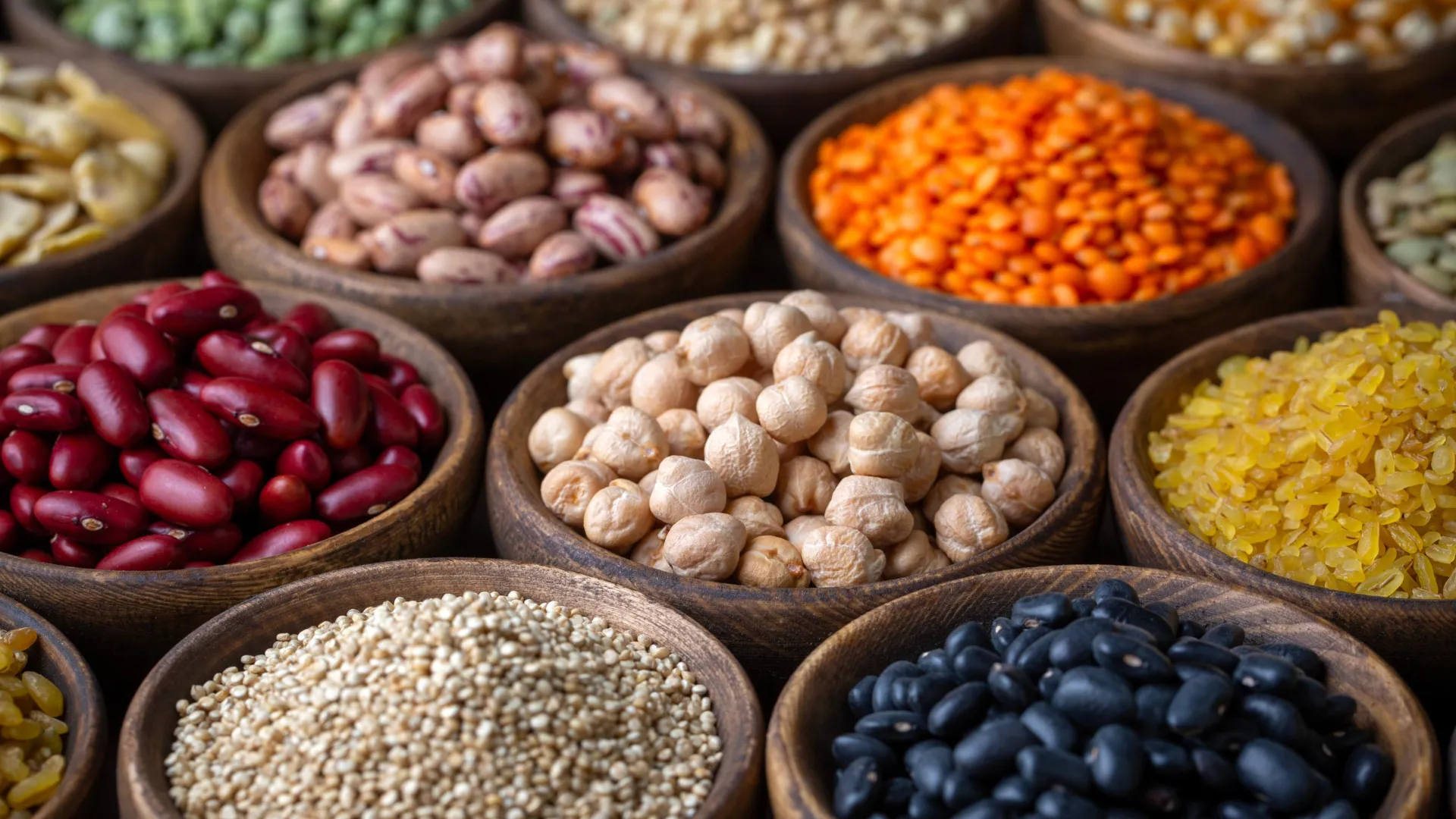
Researchers analyzing global studies have found that increased consumption of legumes and soy foods substantially reduces hypertension risk. People with the highest intake of beans, lentils, and chickpeas showed a 16% lower likelihood of developing high blood pressure compared to those eating minimal amounts. Those consuming the most soy products, including tofu, experienced a 19% reduction in risk.
The analysis examined data across multiple populations worldwide, establishing a consistent pattern between plant-based protein sources and blood pressure control. Legumes and soy contain compounds that may improve vascular function and reduce arterial stiffness, though researchers are still clarifying the exact mechanisms. These foods provide fiber, potassium, magnesium, and polyphenols, nutrients independently associated with cardiovascular health.
The findings carry particular weight given hypertension's status as a leading risk factor for heart disease and stroke globally. Current dietary guidelines often emphasize medication and sodium reduction, but this research demonstrates that protein source choices offer a complementary approach. Unlike pharmaceutical interventions, dietary shifts present minimal side effects and provide broader nutritional benefits.
The study's strength lies in its comprehensive scope, drawing from diverse geographic and demographic populations. This breadth reduces the likelihood that results reflect quirks of any single culture or food system. However, the analysis cannot definitively prove causation. People eating more legumes and soy may differ in other health behaviors, exercise patterns, or socioeconomic factors that also influence blood pressure.
Individual responses to dietary changes vary considerably. Some people show dramatic blood pressure improvements from increased legume intake, while others notice minimal change. Effectiveness also depends on the overall dietary context, cooking methods, and whether plant-based proteins replace less healthy foods.
Researchers recommend gradual integration of these foods into existing diets rather than dramatic overnight changes. Adding legumes to meals two to three times weekly offers a practical starting point. For those