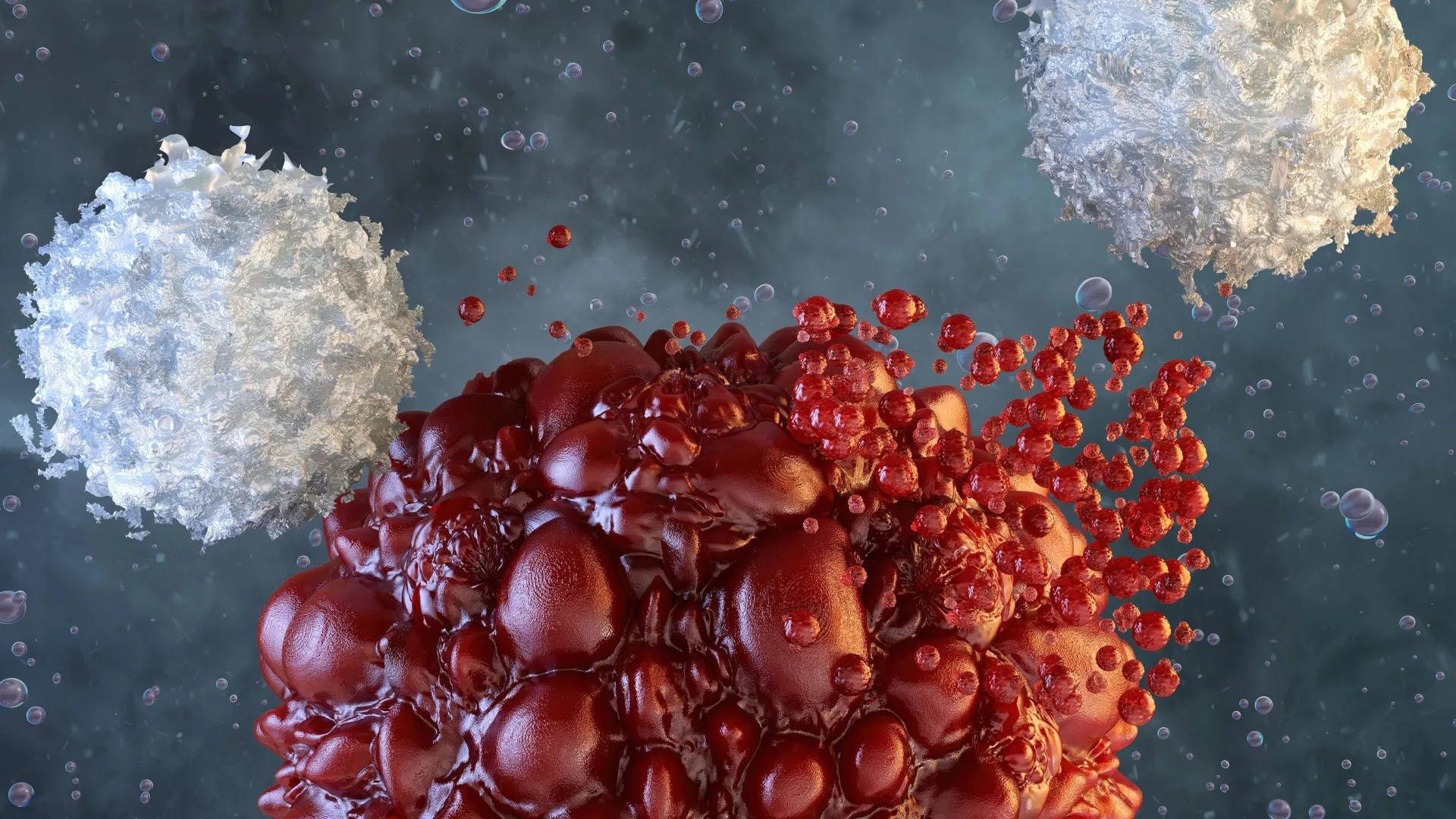
Researchers at McGill University have engineered a method to enhance natural killer cells, immune cells that hunt cancer, by temporarily disabling two protective proteins tumors use to evade detection. The team found that blocking these proteins transforms NK cells into substantially more potent cancer killers against notoriously difficult malignancies including acute myeloid leukemia, glioblastoma, kidney cancer, and triple-negative breast cancer.
Natural killer cells form part of the body's innate immune system and can recognize and destroy abnormal cells without prior sensitization. However, aggressive cancers produce proteins that act as molecular cloaks, allowing tumors to hide from NK cell surveillance. The McGill scientists identified that temporarily suppressing two of these tumor-defense mechanisms dramatically restores NK cell cytotoxicity, the ability to kill cancer cells.
The research builds on existing immunotherapy strategies but offers a fresh angle. Rather than boosting NK cell numbers or activation broadly, the approach targets the specific roadblocks tumors erect. This precision targeting reduces potential off-target damage to healthy tissue while maximizing anticancer activity.
The team tested their approach against cell lines representing blood cancers and solid tumors notorious for treatment resistance. Triple-negative breast cancer lacks receptors that commonly respond to hormone or targeted therapies, making conventional treatment ineffective for many patients. Glioblastoma, the most aggressive primary brain tumor, similarly resists standard interventions. Early results show enhanced NK cell function against these cancer types.
The temporary nature of the protein blockade carries significance. Sustained suppression of immune regulatory proteins could trigger autoimmune complications where the immune system attacks the body's own tissues. Short-term inhibition allows researchers to harness NK cells' killing capacity while maintaining immune homeostasis.
This work remains in the preclinical stage. Researchers must now determine optimal dosing schedules, validate efficacy in animal