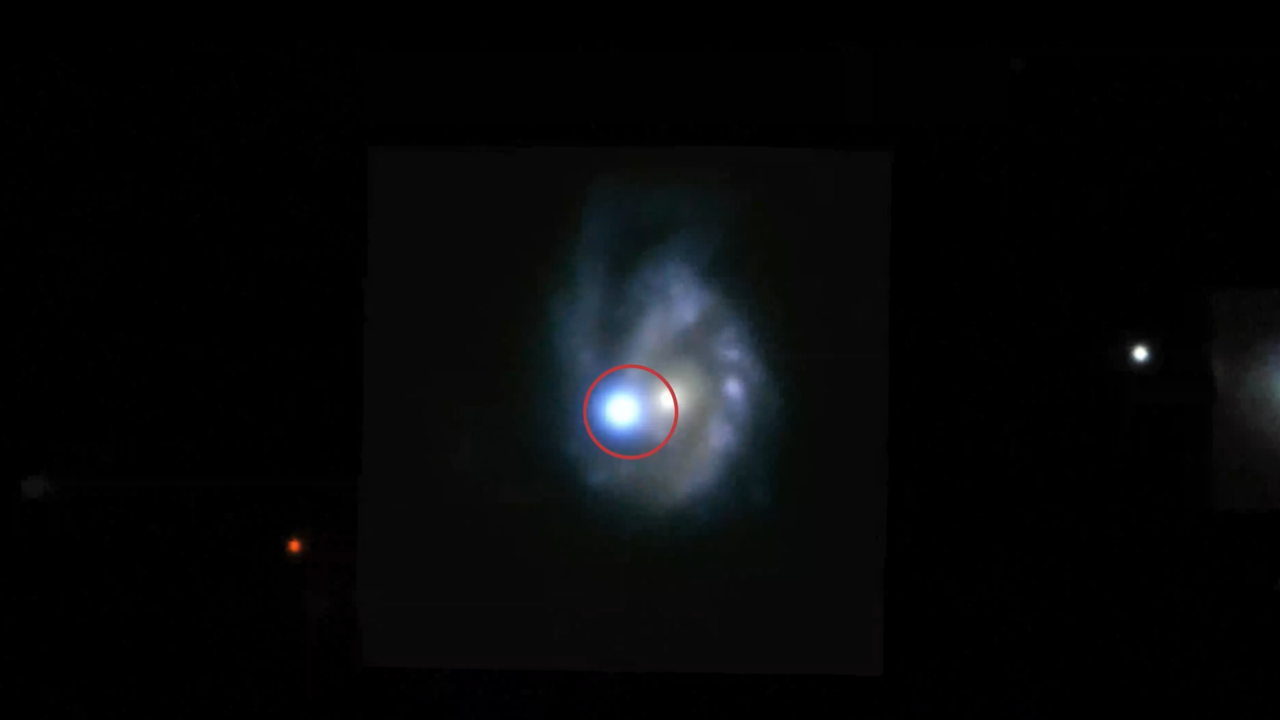
NASA's Fermi Gamma-ray Space Telescope has detected an unusually energetic supernova explosion driven by the formation of a magnetar, a neutron star with an extraordinarily powerful magnetic field. This observation provides direct evidence for a theoretical mechanism that astronomers have long suspected could explain the brightest supernovae in the universe.
Magnetars possess magnetic fields billions of times stronger than Earth's. When a massive star collapses at the end of its life, the rapid rotation and extreme compression can create such an object. The intense magnetic energy released during this process can power a supernova to exceptional brightness, making it visible across vast cosmic distances.
The Fermi telescope, which specializes in detecting gamma rays, spotted this event and confirmed the magnetar's involvement through the explosion's characteristic energy signature. This represents one of the clearest observations linking a magnetar's birth directly to a supernova's exceptional output. Previous detections remained ambiguous or indirect.
The discovery carries implications for understanding stellar death and the extreme physics governing neutron stars. Magnetars represent some of the most extreme objects in the universe, and studying how they form and release energy advances fundamental astrophysics. The Fermi data also helps refine models predicting which supernovae might be magnetar-powered versus those triggered by other mechanisms.
Fermi's gamma-ray detection capability proves essential for this work. Magnetars emit intense radiation across multiple wavelengths, but gamma rays provide the clearest signature of the high-energy processes occurring near the newly formed object. Ground-based telescopes observing visible light or infrared radiation cannot access this information.
The finding extends our catalog of known magnetar-powered supernovae and strengthens confidence in theoretical models. Future observations with Fermi and other gamma-ray observatories should identify additional examples, allowing researchers to determine how common this mechanism is and whether