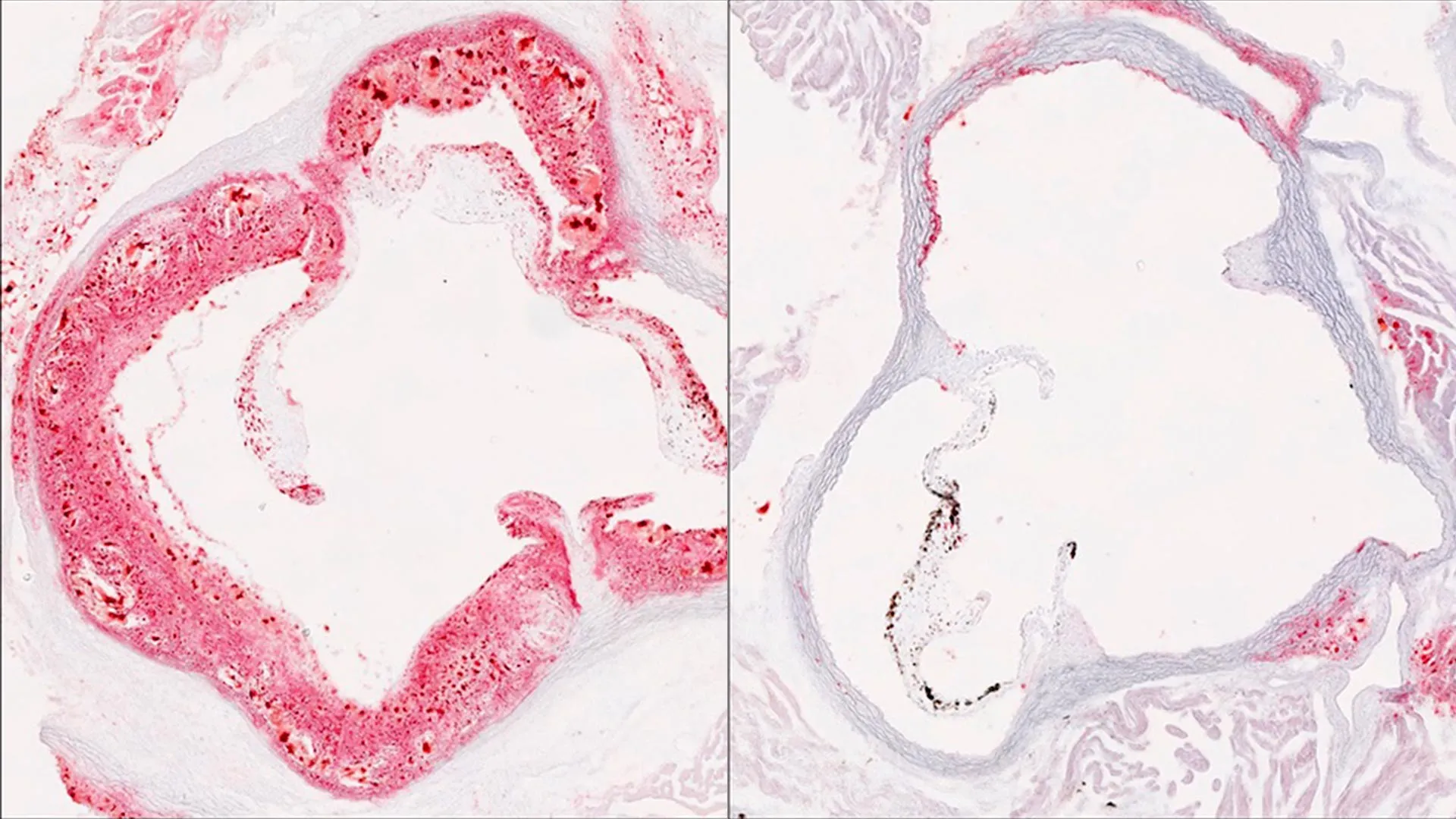
Researchers at UT Southwestern have identified a protein that acts as a regulatory switch for cholesterol production in the liver. The protein, called HELZ2, suppresses the genetic instructions for apoB, a structural component essential for forming low-density lipoprotein particles that transport cholesterol through the bloodstream and contribute to arterial plaque buildup.
The discovery emerged from investigation into how cells control apoB production. When HELZ2 functions properly, it limits apoB synthesis, reducing the number of cholesterol-carrying particles circulating in the blood. This represents a new control point in cholesterol metabolism that researchers had not previously characterized.
The findings carry implications for cardiovascular disease prevention. High levels of apoB-containing particles correlate with increased heart attack and stroke risk. By understanding how HELZ2 regulates apoB production, scientists may develop therapies that enhance this natural brake on cholesterol particle formation.
The research team's work focused on identifying the molecular mechanisms governing apoB expression. Rather than targeting cholesterol directly, as existing statins do, this approach targets a fundamental building block required for cholesterol transport. The distinction matters because reducing apoB production addresses the problem at an earlier stage in the metabolic pathway.
UT Southwestern researchers plan further investigation into whether HELZ2 activity varies among individuals or changes in response to diet and lifestyle factors. They will also explore whether enhancing HELZ2 function could provide therapeutic benefit beyond current cholesterol-lowering medications.
The discovery adds to growing understanding that liver cholesterol regulation involves multiple overlapping control systems. Previous research identified several regulatory proteins, but HELZ2 represents a previously unknown piece of this complex network. Its identification opens new avenues for drug development targeting apoB production itself rather than downstream effects on circulating cholesterol levels.