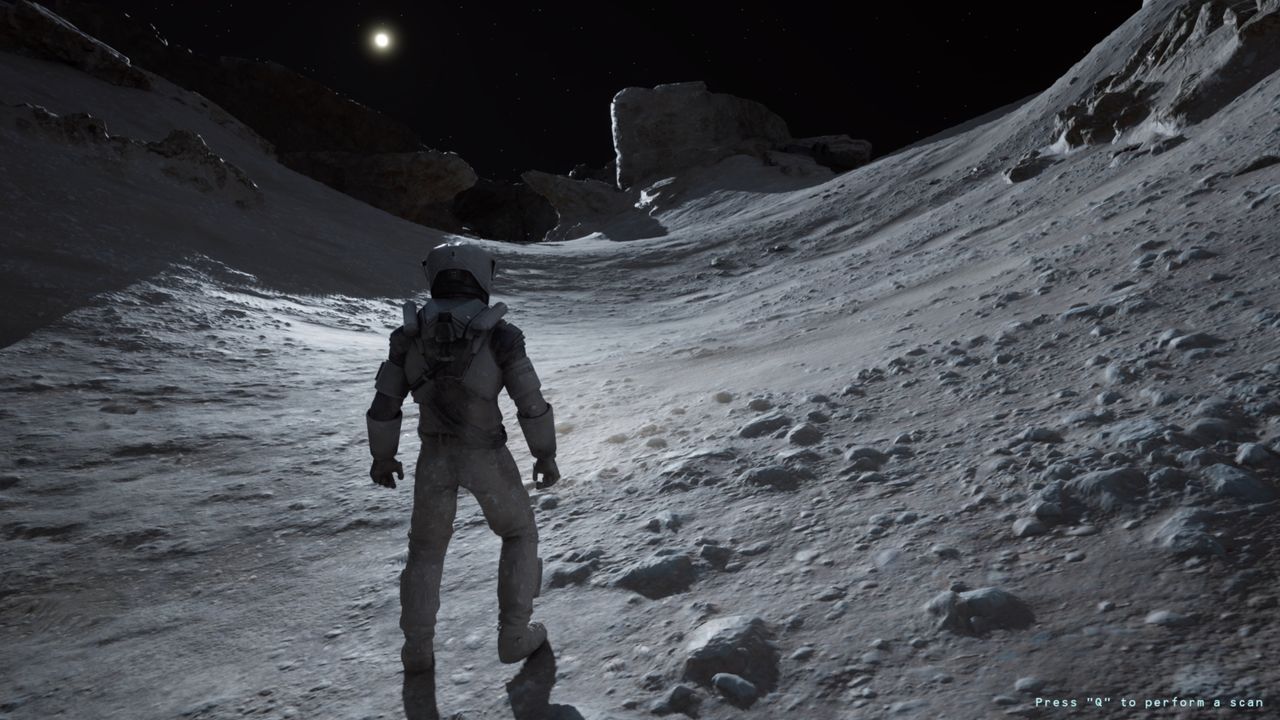
# Lunar Strike: A Sobering Vision of Space Travel's Future
A new analysis presented in "Lunar Strike" examines the obstacles facing humanity's return to the moon and sustained space exploration. The work takes a hard look at the technical, economic, and political challenges that threaten to derail ambitious lunar missions planned for the coming decades.
The assessment draws from current trajectory data, funding constraints, and lessons learned from previous space programs. Rather than adopting optimistic timelines, the authors ground their projections in engineering realities and budgetary limitations that have historically plagued large-scale space ventures.
Key concerns include the rising costs of heavy-lift launch systems, the difficulty of establishing sustainable lunar infrastructure, and the geopolitical competition that continues to shape space policy. Unlike earlier space race narratives emphasizing inevitable progress, this work acknowledges that setbacks, delays, and budget cuts remain far more common than breakthroughs.
The analysis also addresses the gap between public enthusiasm for lunar exploration and the political will required to fund multi-decade commitments. Historical precedent suggests that space programs face pressure to justify costs when facing competing terrestrial priorities like healthcare, infrastructure, and climate action.
The authors note that while technological solutions exist for most lunar challenges, the combination of financial constraints and shifting political priorities creates genuine uncertainty about timelines. Rather than dismissive cynicism, the work presents what researchers call "sober realism" about the decades-long effort required to establish permanent human presence beyond Earth.
This perspective contrasts sharply with announcements from space agencies and private companies that regularly promise lunar bases and Mars missions. The "Lunar Strike" framework suggests that achieving these goals requires sustained commitment and funding levels that may be difficult to maintain across multiple election cycles and economic fluctuations.
The analysis serves as a counterweight to promotional material from NASA, SpaceX, and international space agencies, offering policymakers and