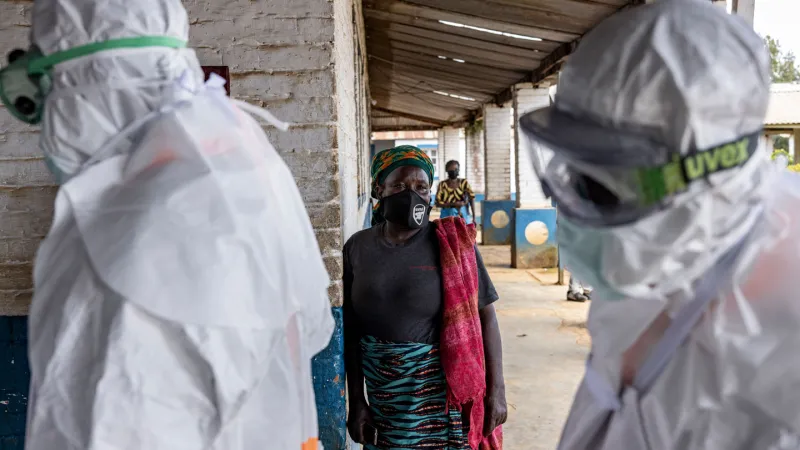
Congo faces an expanding outbreak of Bundibugyo Ebola virus, a rare strain that is testing the nation's preparedness despite years of experience battling more common variants. Public health officials are deploying conventional outbreak response measures while researchers work to develop new diagnostic and therapeutic tools suited to this particular virus.
Bundibugyo Ebola represents one of six known species within the Ebola genus, yet it remains far less studied than Zaire Ebola, which caused the devastating 2014-2016 West African epidemic. The current outbreak in Congo has exposed critical gaps in existing infrastructure and knowledge. Diagnostic tests designed for Zaire Ebola do not always reliably identify Bundibugyo cases, creating delays in patient isolation and contact tracing. Treatment protocols developed from research on other strains may not translate directly to this virus.
Epidemiologists and public health teams are relying on foundational outbreak control methods: rapid case identification, isolation of confirmed patients, contact tracing, and safe burial practices. These approaches have contained previous Ebola outbreaks in Congo but require substantial personnel, resources, and community cooperation. The scientific community is simultaneously pursuing faster diagnostics and potentially new therapeutics tailored to Bundibugyo's unique genetic and protein structure.
The challenge underscores a broader vulnerability in global disease surveillance and preparedness. Vaccines and treatments developed for prevalent pathogens sometimes perform poorly against rare variants. Congo's health system, already strained by limited funding and competing health crises, must adapt rapidly to an unfamiliar threat.
Researchers at institutions across Africa and internationally are analyzing virus samples to understand Bundibugyo's transmission patterns and clinical severity. This work will inform both immediate response strategies and longer-term vaccine development priorities. Success requires sustained funding and cross-border coordination, particularly given Ebola's history of spreading to neighboring countries.
The outbreak