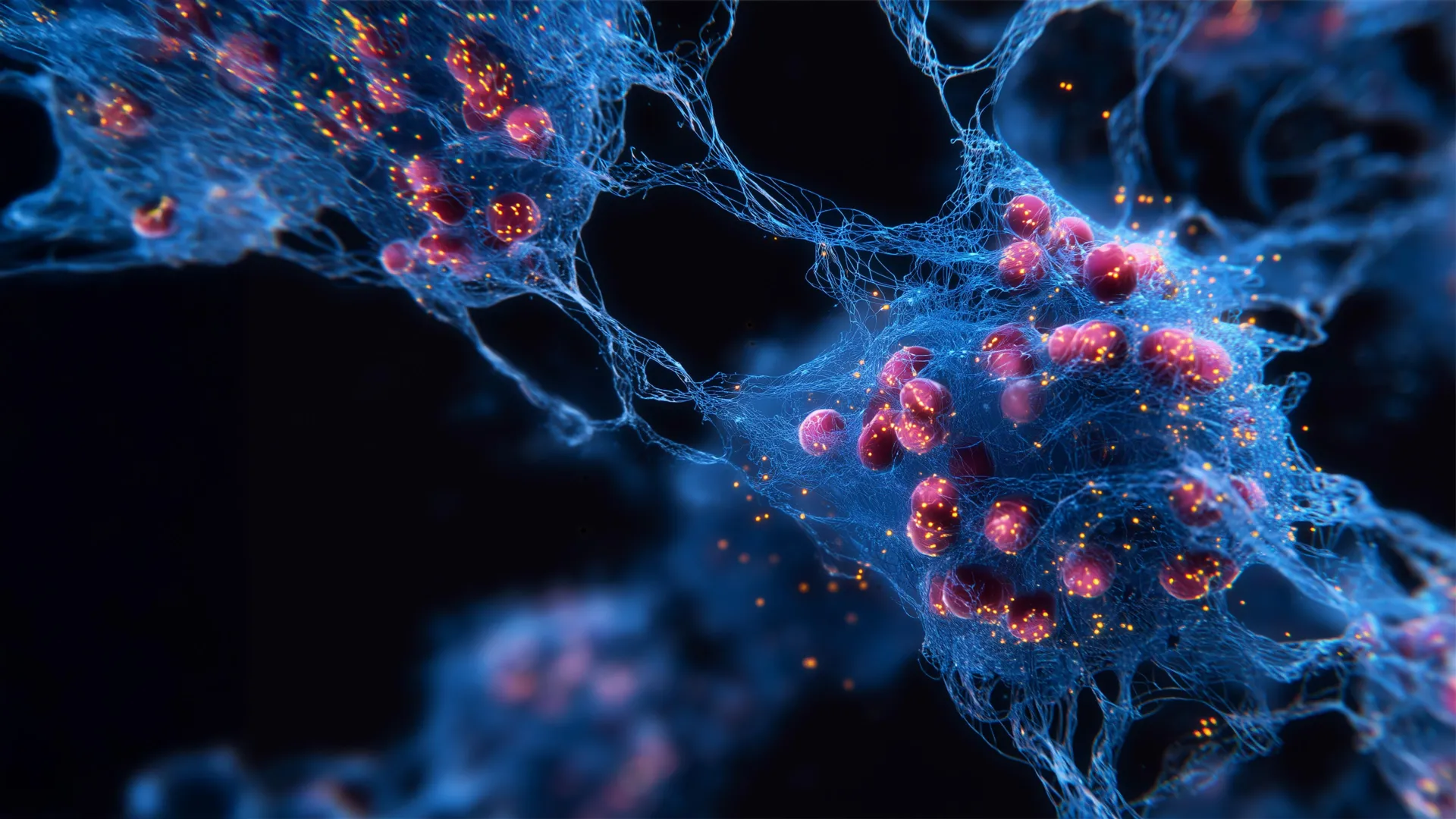
Researchers have discovered that senescent cells, commonly called "zombie cells," behave in fundamentally different ways in the aging body. Some variants actively harm tissue and accelerate aging, while others serve protective functions that the body needs to maintain health and repair damage.
This nuance overturns the previous assumption that all senescent cells are uniformly destructive. Senescent cells are cells that stop dividing but refuse to die, accumulating in tissues as organisms age. Conventional thinking held that removing them wholesale would slow aging. The new understanding suggests that blanket senescence elimination could backfire by destroying cells that perform essential maintenance roles.
The implications for anti-aging medicine are substantial. Rather than deploying broad senolytics, drugs designed to kill senescent cells indiscriminately, researchers now aim to develop targeted therapies that selectively eliminate harmful senescent cells while preserving beneficial ones. This precision approach could minimize side effects and preserve the body's natural repair mechanisms.
The distinction matters clinically. Harmful zombie cells promote inflammation, tissue degeneration, and stem cell dysfunction. Protective variants appear to support wound healing, immune function, and tissue regeneration. Removing the latter could actually accelerate aging rather than slow it.
This research signals a shift toward understanding cellular aging as a complex process requiring nuanced intervention rather than brute-force elimination of a single cell type. Future anti-aging therapies will likely depend on identifying which senescent cells to target in specific tissues and at particular life stages. The challenge ahead involves developing biomarkers to distinguish beneficial from harmful zombie cells and creating therapies precise enough to hit the right targets.
The discovery reflects broader trends in gerontology toward personalized, context-dependent treatments rather than one-size-fits-all anti-aging approaches. Success requires understanding not just what cells accumulate with age, but what roles they actually play in living organisms.