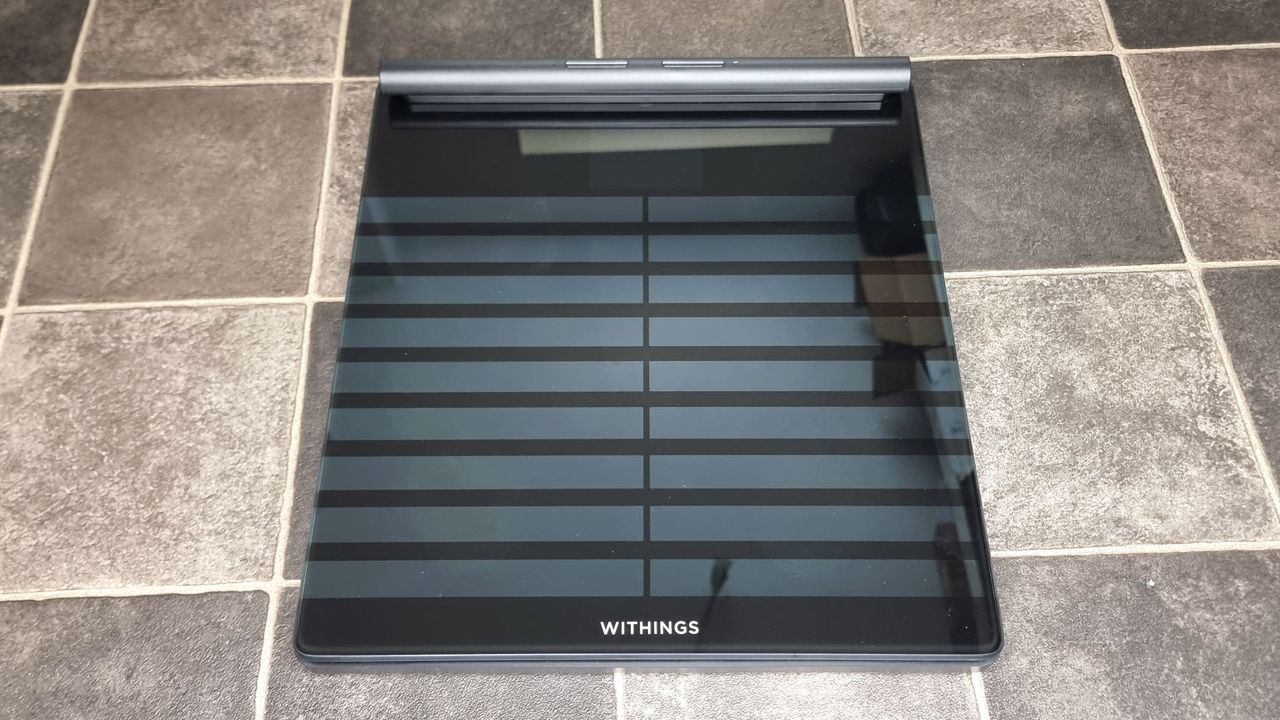
The Withings Body Scan combines traditional weight measurement with clinical-grade diagnostics in a single device, marking a departure from conventional smart scales that stop at body composition analysis.
The scale performs electrocardiogram readings to monitor heart rhythm, measures arterial stiffness to assess cardiovascular health, and screens for peripheral neuropathy by detecting nerve activity in the feet. These functions typically require separate medical equipment and clinic visits.
The device uses bioimpedance analysis to estimate body fat, muscle, and water composition alongside standard weight tracking. The ECG feature records electrical signals from the heart, providing data similar to what cardiologists examine during routine checkups. Arterial stiffness measurement relies on pulse wave analysis, which correlates with vascular aging and cardiovascular disease risk. Neuropathy detection uses electrical stimulation to assess nerve response in the soles of feet, helping identify early signs of nerve damage.
Data syncs to the Withings Health Mate app, where users view trends and share results with healthcare providers. The device connects via Wi-Fi and Bluetooth.
The scale carries a premium price tag, positioning it above standard smart scales priced under $100. Users gain access to continuous health monitoring without scheduling doctor appointments, though the device cannot replace clinical evaluation. The readings provide baseline data that users can discuss with physicians.
Limitations exist. The ECG and neuropathy features work best for users without existing heart conditions or severe nerve damage. Accuracy depends on proper technique during measurement, including consistent positioning and foot placement. The scale measures arterial stiffness but cannot diagnose arterial disease or predict future cardiovascular events with certainty.
The Withings Body Scan appeals to health-conscious consumers willing to invest in comprehensive home monitoring and those managing chronic conditions who benefit from frequent measurements. Medical professionals should interpret serious findings rather than relying solely on home device readings.