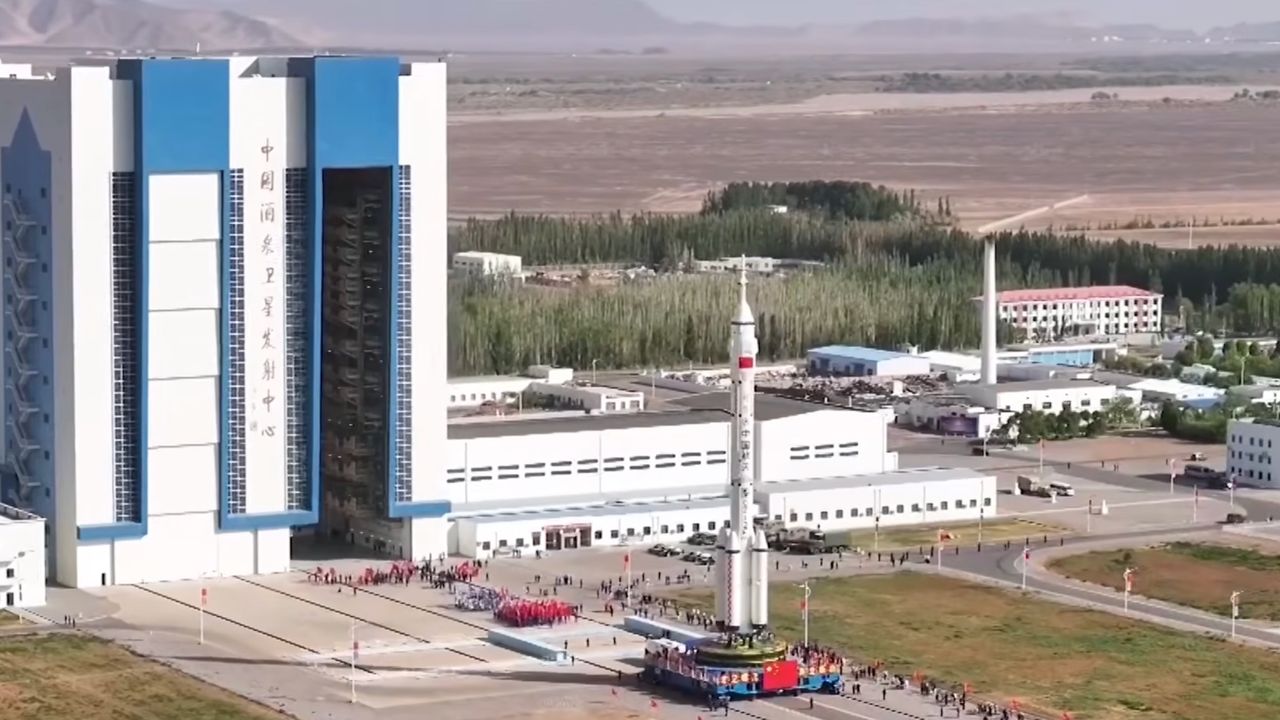
China launches its Shenzhou 23 crewed spacecraft to the Tiangong space station on May 24, carrying a fresh crew to relieve astronauts who have exceeded their scheduled mission duration. The launch marks a potential milestone in China's human spaceflight program, as it could establish the nation's first continuous year-long occupation of its orbital outpost.
Shenzhou 23 will deliver three astronauts to Tiangong, where they will assume control of station operations from the current crew. The mission represents China's accelerating pace of crewed spaceflight activity. Tiangong, completed in 2022, serves as China's independently developed space station and operates as a counterpart to international orbital infrastructure.
The extended crew rotation schedule suggests China's commitment to sustained human presence in low Earth orbit. Maintaining permanent staffing requires coordinated launch timing and crew overlap periods during handover operations. China's space program has demonstrated increasing operational competence through successive Shenzhou missions and cargo resupply flights using Tianzhou vehicles.
The potential year-long mission duration reflects technological maturity in life support systems, radiation shielding, and crew psychology protocols necessary for extended spaceflight. This timeline aligns with practices established by other spacefaring nations operating orbital stations.
China's Tiangong program exists separately from the International Space Station partnership, following political restrictions that prohibit direct NASA collaboration with Chinese space agencies. The separation has driven China to develop parallel capabilities in station design, crew training, and mission operations.
Shenzhou 23 continues China's trajectory toward establishing itself as a major spacefaring power with independent orbital infrastructure. The mission demonstrates technical proficiency required for sustained human presence beyond Earth and supports China's broader ambitions in space exploration, including lunar programs and deep space missions.