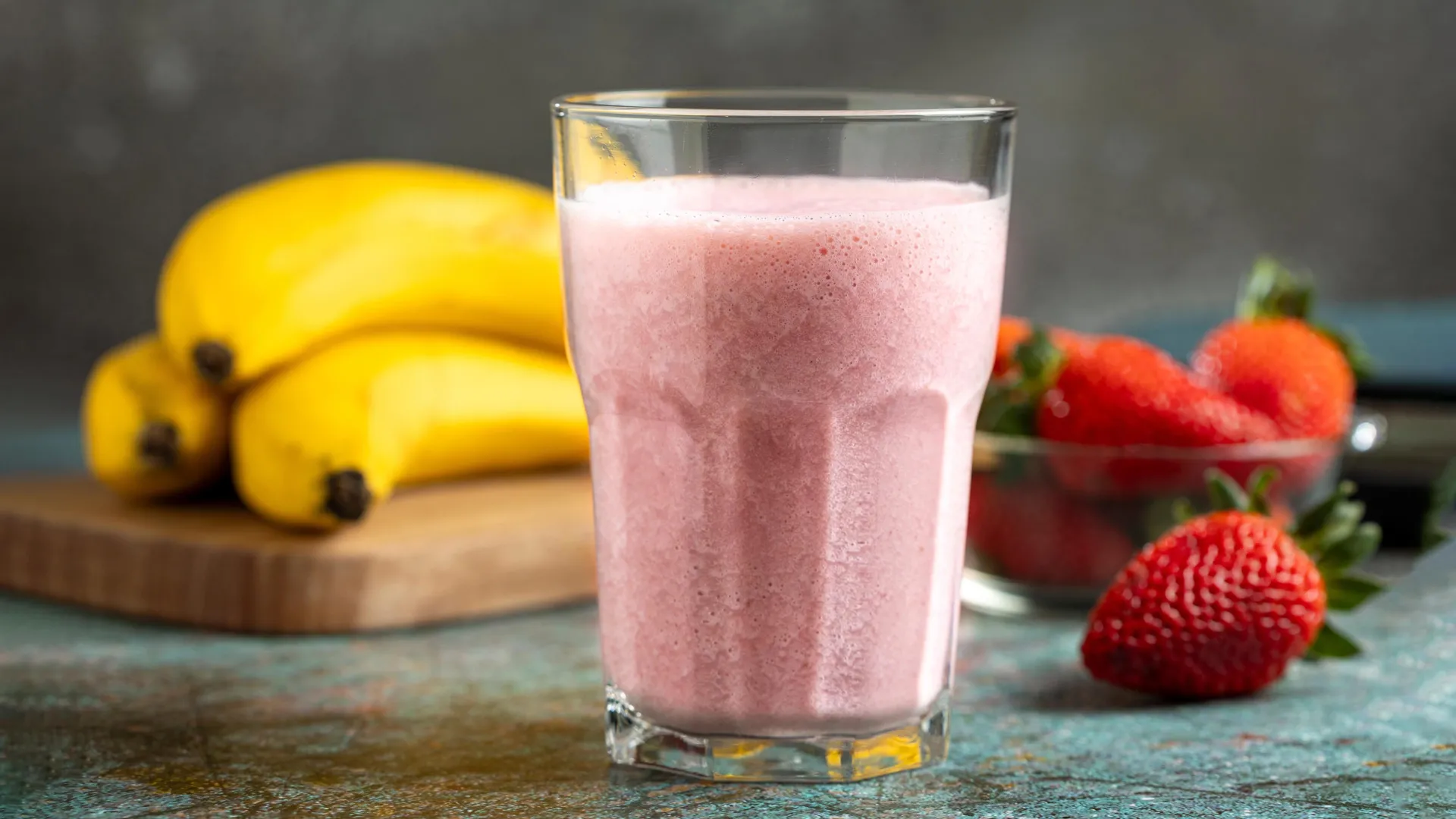
Scientists at a major research institution discovered that combining bananas with berry smoothies substantially impairs the absorption of flavanols, the antioxidant compounds responsible for many of berries' health benefits.
The research team added bananas to smoothies containing blueberries, strawberries, and raspberries, then measured how much flavanol participants absorbed. Results showed dramatic reductions compared to berry smoothies consumed alone. The mechanism appears tied to compounds in bananas that interfere with flavanol bioavailability in the digestive system.
Flavanols carry documented cardiovascular and cognitive benefits. They reduce inflammation, improve blood vessel function, and support brain health. Previous studies established that berry consumption boosts flavanol intake significantly. This new research reveals that food pairing matters as much as ingredient selection.
The finding challenges common smoothie recipes. Health-conscious consumers regularly combine bananas with berries to improve texture and add potassium, unaware this practice may undermine nutritional goals. The banana doesn't negate the berries' value entirely, but the reduction appears substantial enough to warrant dietary consideration.
Researchers note the effect remains consistent across different banana varieties and ripeness levels. They also found that timing matters. Consuming berries and bananas separately, rather than blended together, preserves flavanol absorption more effectively.
The study involved a controlled group that consumed berry smoothies with added banana, compared against participants who drank berry smoothies alone. Bioavailability measurements came from blood samples taken at specific intervals post-consumption. Statistical analysis confirmed the reduction exceeded normal variation.
The limitation centers on smoothies specifically. Whole fruit consumption patterns differ from blended beverages, where cell wall breakdown may enhance certain compound interactions. The research team plans follow-up studies examining whether cooking or other preparation methods alter these effects.
This discovery underscores how food science reveals counterintuitive nutrition patterns.