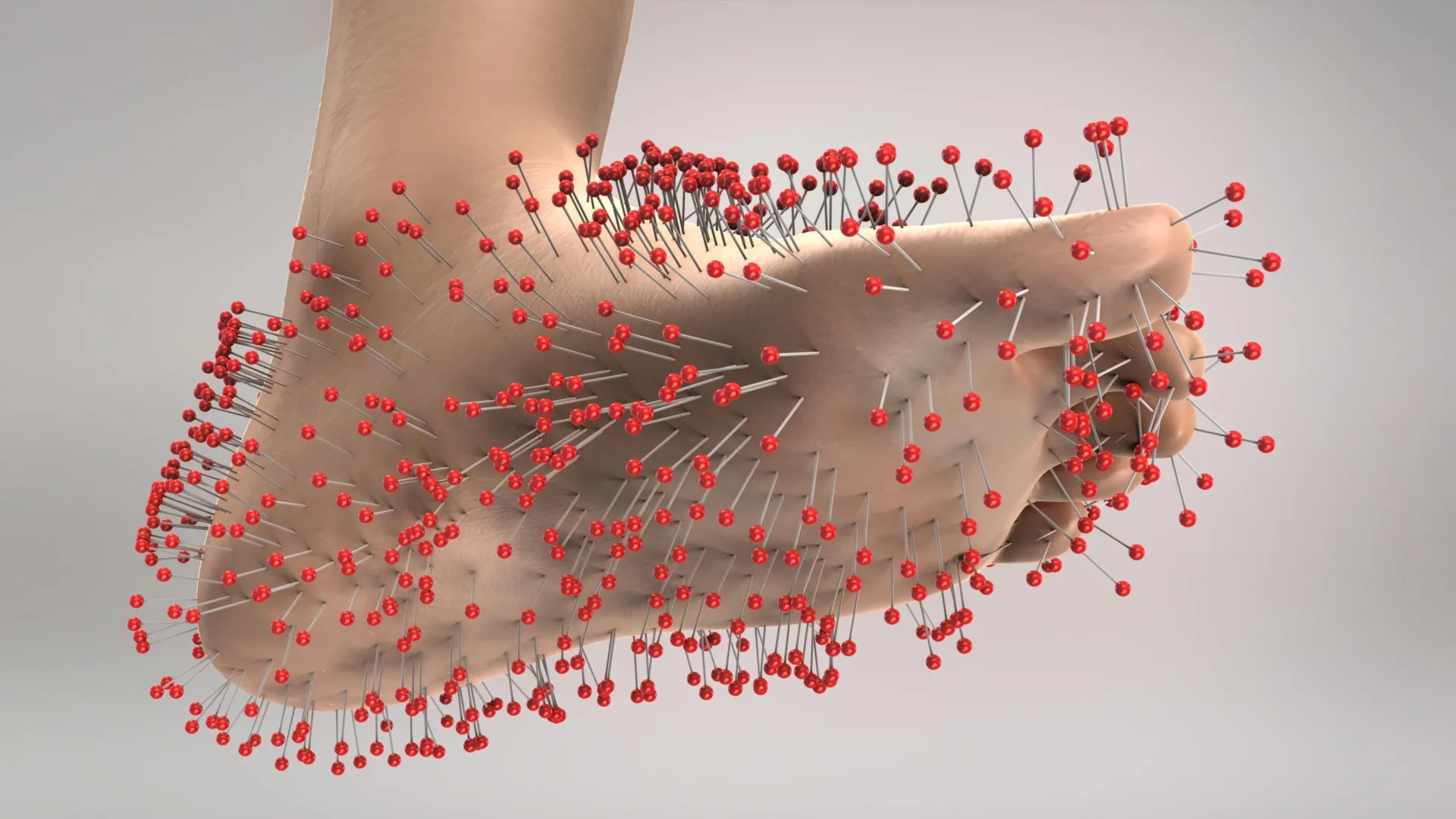
Duke University researchers discovered that supplying healthy mitochondria to damaged nerves reverses chronic pain at its source. The finding addresses a condition affecting millions of people who experience excruciating pain from light touch, a symptom known as allodynia.
Mitochondria function as cellular power plants, generating the energy that nerves need to operate properly. When nerves sustain damage, their mitochondria deteriorate, forcing cells into an energy-starved state. This energy crisis triggers pain signals even from harmless stimuli like gentle contact. The Duke team demonstrated that restoring mitochondrial function restores the nerve's ability to regulate pain signals appropriately.
The research builds on growing evidence that mitochondrial dysfunction underlies neuropathic pain. By targeting this energy deficit directly, scientists bypass traditional pain management approaches that rely on masking symptoms rather than treating underlying causes. The mitochondrial restoration method potentially offers longer-lasting relief than current medications.
Details about the specific delivery mechanism for healthy mitochondria remain limited based on available information, but the concept represents a shift toward regenerative approaches in pain medicine. Rather than blocking pain signals with drugs, this strategy repairs the damaged tissue itself. Such repair-focused treatments could benefit patients with post-surgical neuropathy, diabetes-related nerve damage, and injuries that trigger chronic pain.
The implications extend beyond pain relief. If mitochondrial restoration works reliably in human trials, the same principle might address other neurological conditions involving energy-depleted neurons. Current treatments for neuropathic pain often lose effectiveness over time or cause side effects that limit long-term use.
Next steps likely include animal model studies to optimize mitochondrial delivery and dosing, followed by human clinical trials. The timeline from laboratory discovery to approved therapy typically spans years, but the fundamental mechanism appears sound. This work illustrates how understanding cellular energy metabolism opens new therapeutic pathways for diseases that resist conventional drug