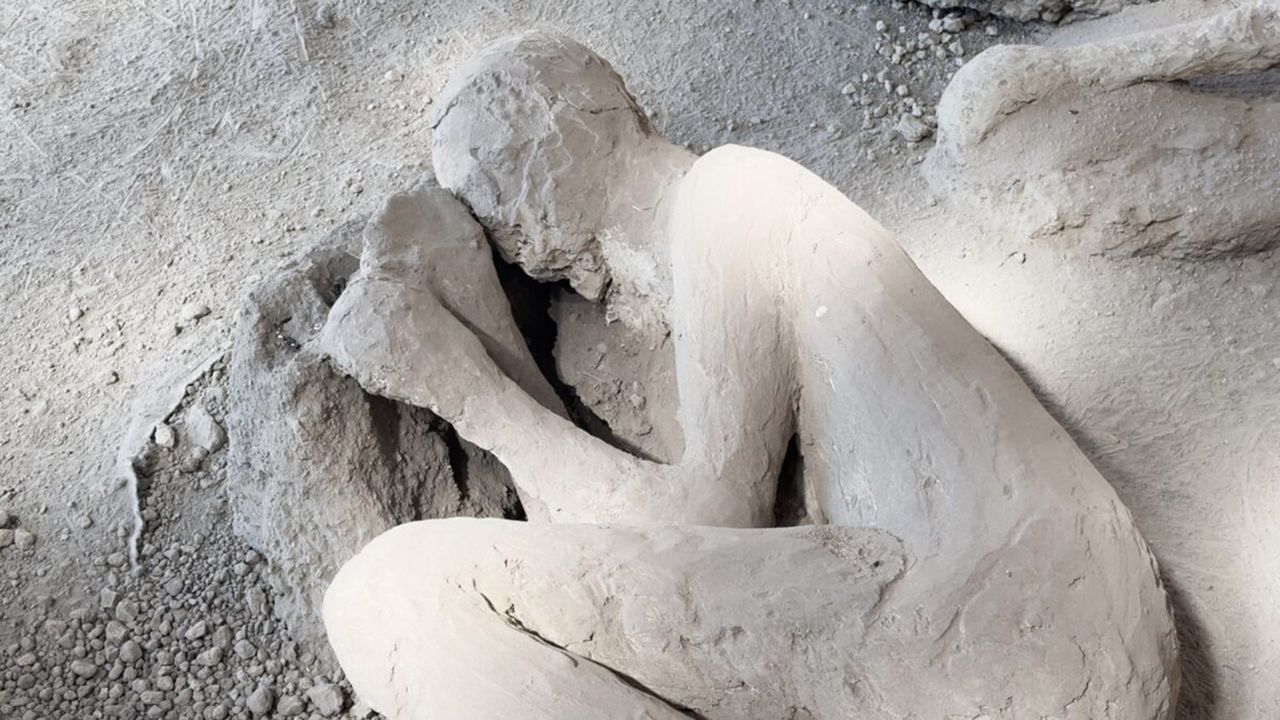
Archaeologists using advanced scanning techniques have identified a complete medical kit carried by a male victim buried by Mount Vesuvius in A.D. 79. The discovery provides rare physical evidence of Roman medical practice during the catastrophic eruption that destroyed Pompeii.
The kit includes surgical instruments, medicines, and other healing tools preserved within the volcanic ash that entombed the victim. Researchers detected the objects through non-invasive scanning methods that allowed examination without disturbing the remains or artifacts.
The find suggests this individual held a medical profession, likely serving as a surgeon or physician's assistant during the Roman period. Such kits were essential to practitioners who traveled or responded to emergencies. The specific contents reveal what Romans considered necessary medical equipment nearly 2,000 years ago.
Pompeii has yielded numerous human casts created when the pyroclastic flows solidified around decomposing bodies, leaving hollow voids in the ash. This particular discovery adds material evidence of Roman medical knowledge and practice to what archaeologists already understood from written sources.
The advanced scanning technology represents a significant shift in how researchers investigate Pompeii's victims. Rather than excavating remains that risk damage, scientists now use computed tomography and other imaging methods to peer inside the ash layers. This approach preserves evidence for future study as technology improves.
The medical kit provides a window into daily Roman life interrupted by disaster. It documents what practitioners considered portable and necessary, offering clues about treatment methods, surgical procedures, and the organization of medical work in the first century A.D. Such discoveries complement skeletal analysis, inscriptions, and other archaeological evidence in reconstructing Roman society.
The victim's profession and tools now join thousands of other artifacts from Pompeii that illustrate the moment a thriving Roman city froze in time.