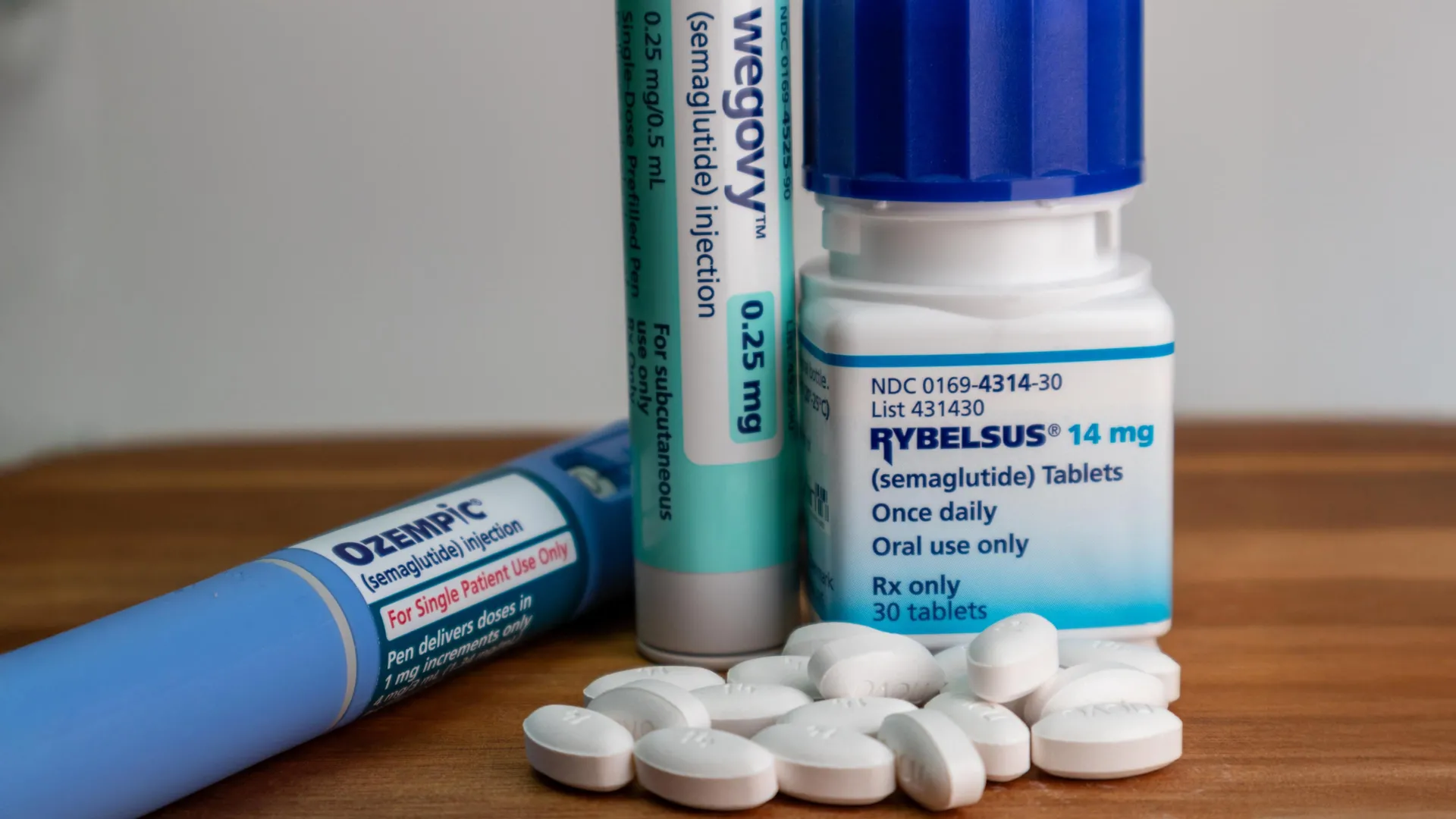
Researchers analyzing millions of FDA adverse event reports have identified a potential link between Wegovy and a rare "eye stroke" that causes sudden blindness, with the weight-loss drug showing nearly five times the risk signal compared to Ozempic, despite both medications containing the same active ingredient semaglutide.
The analysis examined reports submitted to the FDA's database of side effects associated with both drugs. Wegovy received FDA approval in 2021 as a weekly injection for chronic weight management, while Ozempic treats type 2 diabetes with the same semaglutide formulation but at lower doses. The condition flagged in the study, called retinal artery occlusion or "eye stroke," occurs when blood vessels in the retina become blocked, potentially leading to permanent vision loss if untreated.
The difference in risk signals between the two medications raises questions about dosage effects or patient population differences. Wegovy uses higher semaglutide doses than Ozempic, and patients taking the weight-loss drug may have different underlying health profiles than diabetes patients. The analysis relied on passive surveillance data, meaning doctors or patients voluntarily reported adverse events, which can introduce reporting bias.
Researchers emphasized that the analysis identified a signal requiring further investigation, not definitive proof of causation. Reports in the FDA database do not establish that a drug directly caused an event, only that a temporal association exists. Rigorous clinical trials would be needed to determine whether Wegovy genuinely increases eye stroke risk or whether confounding factors explain the pattern.
The finding adds to growing scrutiny of GLP-1 receptor agonists like semaglutide. Previous concerns have included pancreatitis risk, thyroid tumors in animal studies, and potential vision problems. Wegovy has become enormously popular for weight loss, with millions of prescriptions written annually.
Patients currently taking