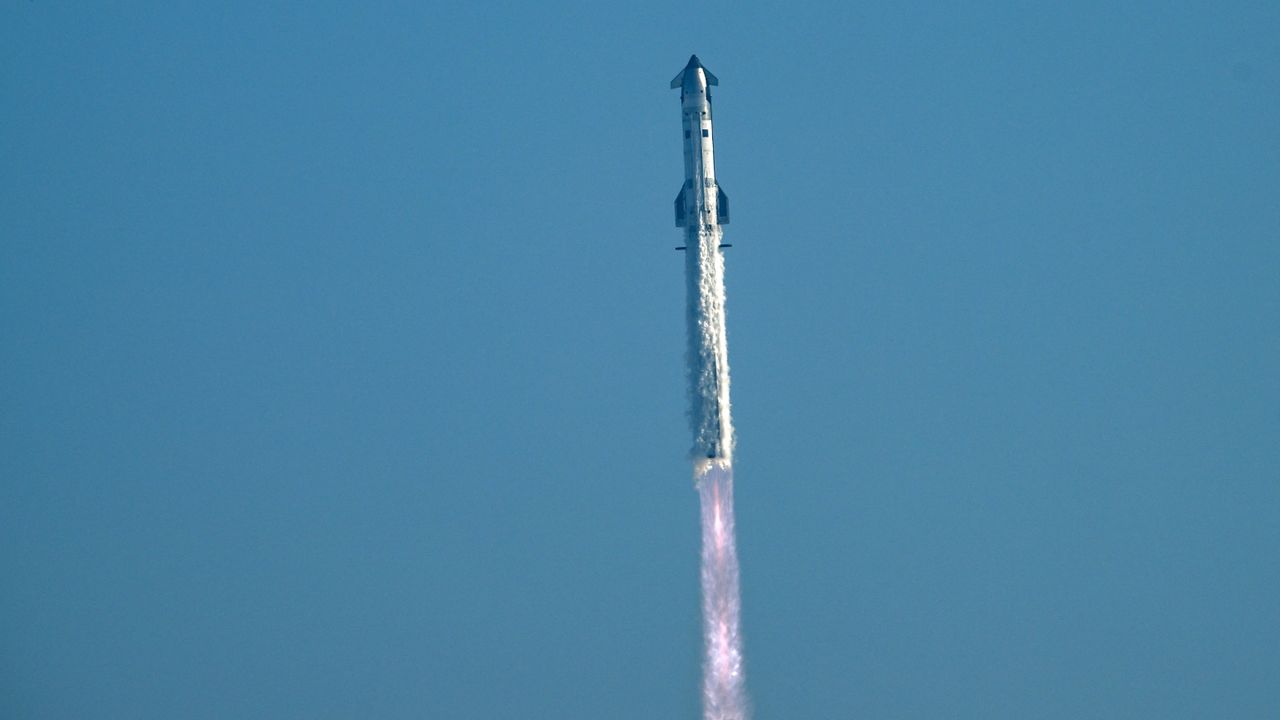
SpaceX successfully launched Starship V3 during its Flight 12 test mission, marking the first flight of the company's upgraded megarocket design. The launch demonstrated the vehicle's enhanced capabilities as SpaceX continues iterating on its fully reusable launch system intended for deep space missions and eventual Mars transport.
Starship V3 represents SpaceX's latest advancement in rocket technology, building on data and lessons from previous flight tests. Each Starship test flight generates critical engineering information about the vehicle's performance, structural integrity, and propulsion systems. SpaceX uses this data to refine designs and push the boundaries of what its launch hardware can achieve.
The Flight 12 test occurred from SpaceX's Starbase facility in Boca Chica, Texas, where the company develops and tests its full-scale prototypes. Starship flights operate under an escalating test sequence, with each mission introducing new objectives or pushing existing systems further than before. Early flights focused on basic vehicle stability and stage separation. Recent tests have incorporated engine reignition in space, controlled reentry, and increasingly sophisticated booster catch attempts using the "chopstick" arms at the launch tower.
Starship's development reflects SpaceX's broader strategy to create a fully reusable super-heavy lift launch vehicle. Traditional rockets discard engines, tanks, and other hardware after each flight. Starship aims to recover both its booster and upper stage through controlled landings or catch systems, theoretically reducing launch costs and enabling higher flight cadence.
The vehicle stands approximately 400 feet tall and generates roughly 17 million pounds of thrust at liftoff, making it the most powerful operational rocket system to date. NASA selected Starship as the lunar lander for its Artemis program, adding timeline pressure to SpaceX's development schedule.
Each test flight carries inherent risks