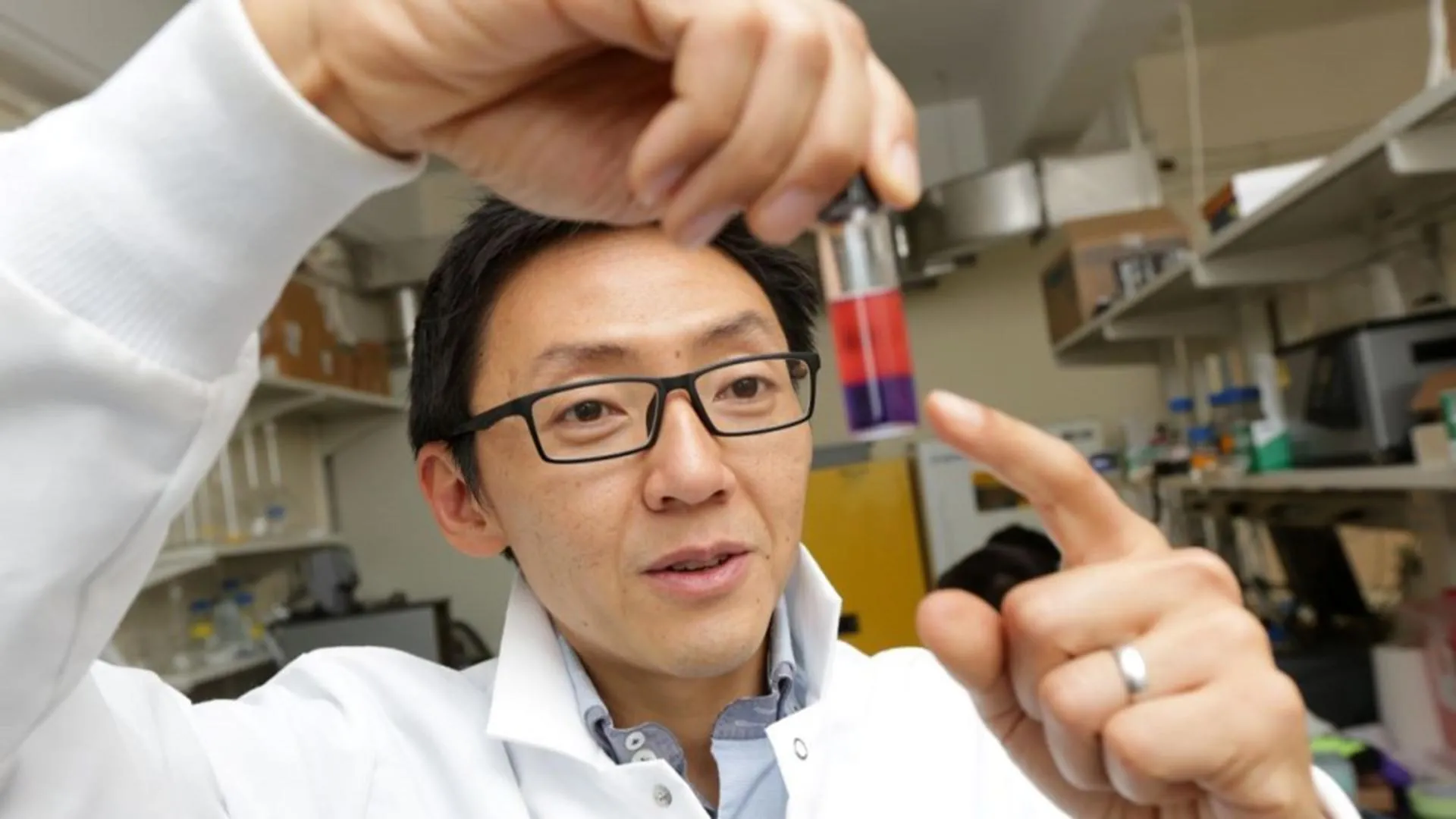
Researchers at Columbia Engineering have developed a rapid lithium-extraction method that addresses a critical bottleneck in battery production for electric vehicles. The team created a temperature-sensitive solvent that extracts lithium directly from underground brines, eliminating the need for massive evaporation ponds that require years to operate and consume enormous quantities of water.
Traditional lithium extraction relies on evaporation ponds spread across arid regions like Chile's Atacama Desert and Argentina's Salton Sea area. These operations can take 18 months or longer to yield usable lithium and deplete local water supplies in water-scarce regions. The environmental toll extends beyond water depletion, as the process generates high concentrations of brine waste and disrupts ecosystems.
The Columbia team's solvent-based approach operates at significantly faster speeds while reducing water consumption. The method works by selectively capturing lithium ions from complex brine mixtures and releasing them when temperature conditions change, allowing for rapid cycling and recovery. This approach proves particularly valuable because it can extract lithium from low-quality brine sources that conventional technologies cannot economically process.
The technique addresses a growing challenge: global lithium demand continues accelerating as EV adoption expands worldwide. Current extraction capacity already struggles to meet demand, and new sources are limited. Low-quality brine deposits, which contain lithium mixed with higher concentrations of competing ions like magnesium and calcium, represent untapped reserves that could supplement supply if extraction becomes viable.
The research represents a rare intersection of environmental and economic benefits in energy production. Faster extraction means lower operational costs. Reduced water usage appeals to regions experiencing drought. The ability to process previously unusable lithium sources dramatically expands the global supply base without requiring new mining infrastructure in sensitive environments.
The Columbia team's work remains early-stage. Questions persist about scalability, long-term solvent performance, and cost