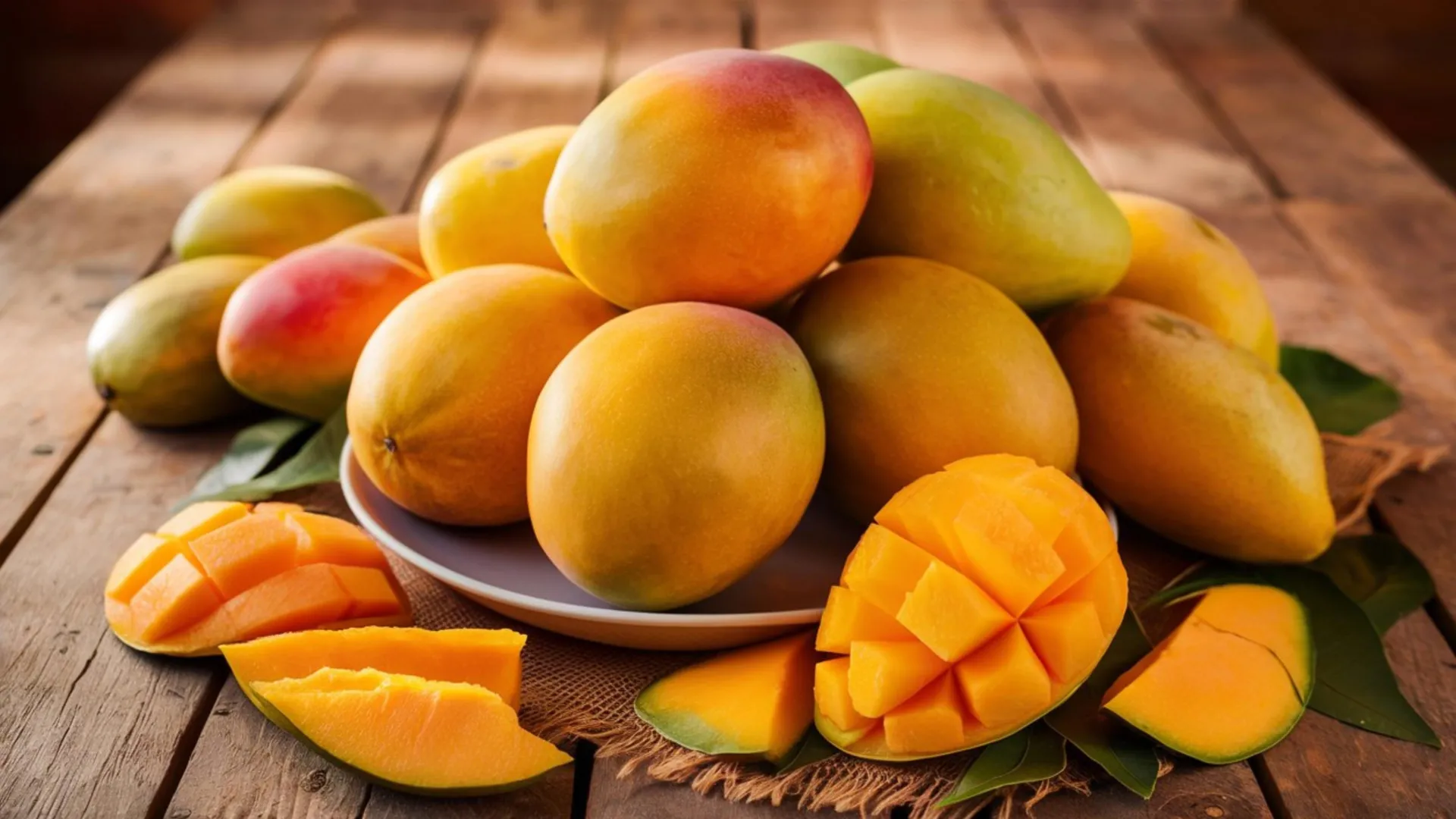
Researchers have discovered that storing mangoes at 54°F (12°C) substantially extends shelf life by slowing ripening and preserving quality far beyond what conventional storage achieves. The cold storage activates internal protective mechanisms that maintain fruit firmness, retain moisture, and protect antioxidants from degradation.
The study examined how mangoes respond physiologically to cool temperatures. At 54°F, cellular ripening processes decelerate dramatically compared to ambient tropical conditions. The fruit remains firm longer, loses less water through respiration, and maintains higher concentrations of beneficial compounds including polyphenols and other antioxidants. Researchers identified that cold exposure triggers defense pathways within mango cells that minimize stress-induced cellular damage and suppress decay-causing mechanisms.
The findings carry practical implications for global mango distribution. Tropical fruits like mangoes typically face rapid deterioration once harvested, limiting how far they can travel before reaching market. Extended shelf life at 54°F could reduce food waste across supply chains, allowing producers to ship to distant markets without quality loss. The temperature also prevents chilling injury, a common problem when tropical fruits experience excessive cold, meaning mangoes maintain marketable appearance and texture.
The research reveals that cold storage operates through multiple protective pathways. Rather than simply slowing metabolism uniformly, 54°F specifically activates genes and proteins that fortify cell membranes, reduce oxidative stress, and suppress ripening hormones. This targeted response protects nutritional value while preventing the mushiness that sometimes occurs in stored produce.
Researchers did not specify institutional affiliations or journal publication details in available information. The work represents an intersection of postharvest biology and agricultural logistics, addressing real challenges in feeding growing populations while minimizing environmental impact from food waste.
The optimal temperature appears robust across typical mango varieties, though some cultivars may require slight adjustments. Commercial adoption of