# Science News This Week: Three Research Breakthroughs
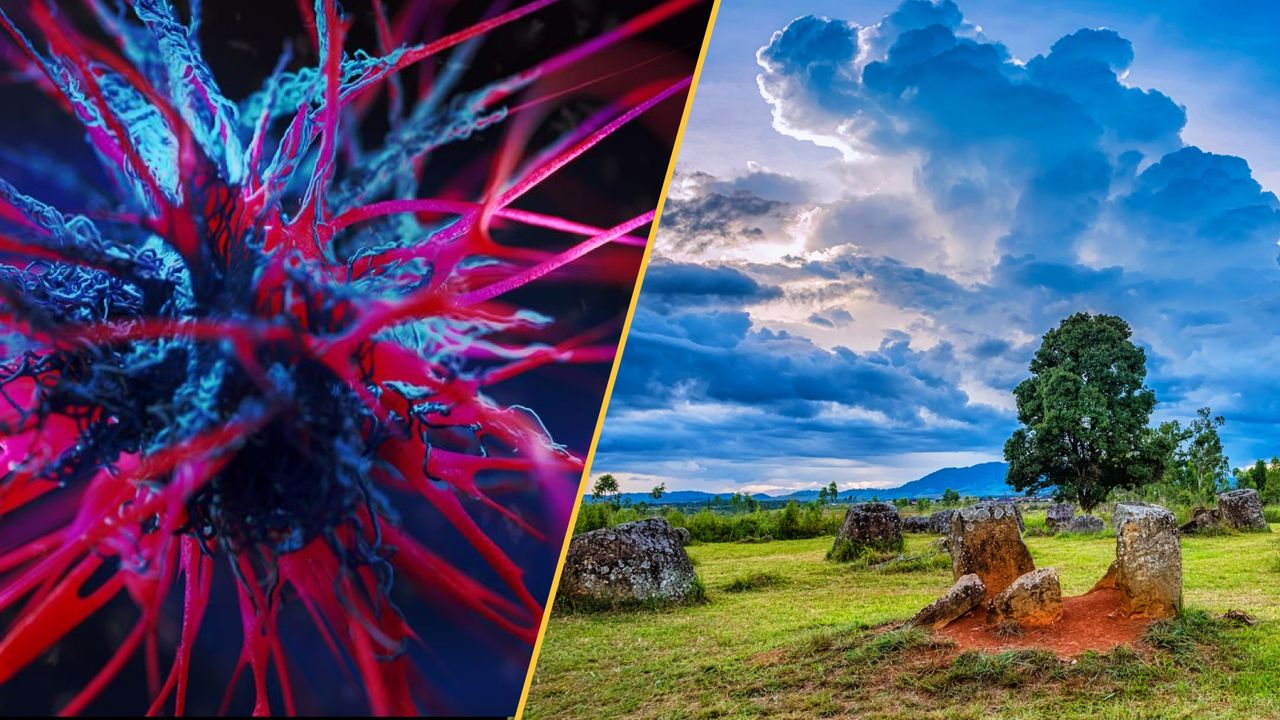
Researchers uncovered a prehistoric burial practice in Laos involving what locals call a "death jar," shedding light on ancient funerary customs in Southeast Asia. Archaeologists discovered ceramic vessels containing human remains dating back centuries, offering new insights into how early populations honored their dead and structured their societies.
Climate change is accelerating threats to global rice production, a staple crop for billions of people worldwide. Rising temperatures, shifting rainfall patterns, and increased flooding are reducing yields in major rice-growing regions across Asia. Agricultural scientists warn that without adaptation strategies, food security risks will intensify in coming decades, particularly for populations dependent on rice as a primary food source.
A common asthma medication shows unexpected promise against aggressive forms of cancer, according to recent clinical research. The drug, developed to treat respiratory inflammation, demonstrated effectiveness in suppressing tumor growth in laboratory and early-stage patient studies. Researchers believe the compound works by targeting specific pathways that cancer cells exploit for survival, potentially opening a new treatment avenue for cancers resistant to conventional therapies.
These findings represent diverse applications of modern research across archaeology, climate science, and medicine. The Laotian discovery enriches understanding of human cultural practices across centuries. The agricultural research highlights how environmental shifts demand urgent crop adaptation to maintain global food systems. The cancer research demonstrates how existing medications sometimes harbor therapeutic properties beyond their original design, accelerating drug development timelines.
Each breakthrough carries practical implications. Understanding ancient burial practices informs anthropological frameworks. Rice crop vulnerability data guides agricultural policy and breeding programs. The asthma drug application could expand treatment options for patients facing limited choices against certain cancers. Together, these developments reflect science's multidisciplinary nature and its direct bearing on human survival, culture, and health.