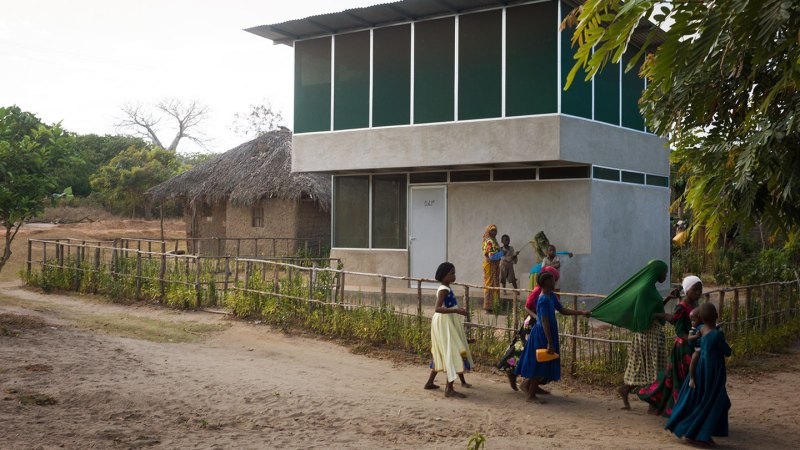
Researchers in Tanzania tested how simple architectural modifications reduce childhood disease rates in rural African communities. The experimental houses incorporated three key features: window and door screens to block mosquitoes, rainwater harvesting systems that provide clean drinking water, and improved ventilation to reduce indoor air pollution.
The study measured health outcomes in children living in these modified homes compared to conventional housing. Results showed substantial reductions in malaria infections, diarrheal diseases, and respiratory infections among children in the improved houses. The screens directly prevent mosquito-borne transmission of malaria parasites. Clean rainwater eliminates contaminated water sources that cause diarrhea. Better air circulation lowers exposure to indoor pollutants and airborne pathogens.
This work builds on decades of research showing that housing quality strongly influences infectious disease burden, particularly in low-income regions where children face multiple overlapping health threats. Malaria alone kills over 400,000 people annually, with Africa accounting for 95 percent of deaths. Diarrheal diseases remain a leading cause of childhood mortality worldwide.
The housing interventions require minimal technology and use locally available or affordable materials. This scalability matters for implementation across rural Tanzania and similar settings. The modifications do not depend on sustained external supply chains or complex maintenance.
Limitations include the relatively small geographic scope of the trial and the need for longer-term data on sustained disease reduction. Behavioral factors also influence outcomes. Families must consistently use screens and maintain water systems properly. Cultural acceptance of new design elements affects adoption rates.
The research demonstrates that public health gains can emerge from infrastructure rather than pharmaceutical interventions alone. Housing improvements complement but do not replace malaria prevention programs like bed nets and medication. Combined approaches likely yield the strongest protection.
This work suggests significant untapped potential in passive design strategies for disease control. Integrating health-centered architecture into housing development programs could reduce childhood illness burdens across Africa