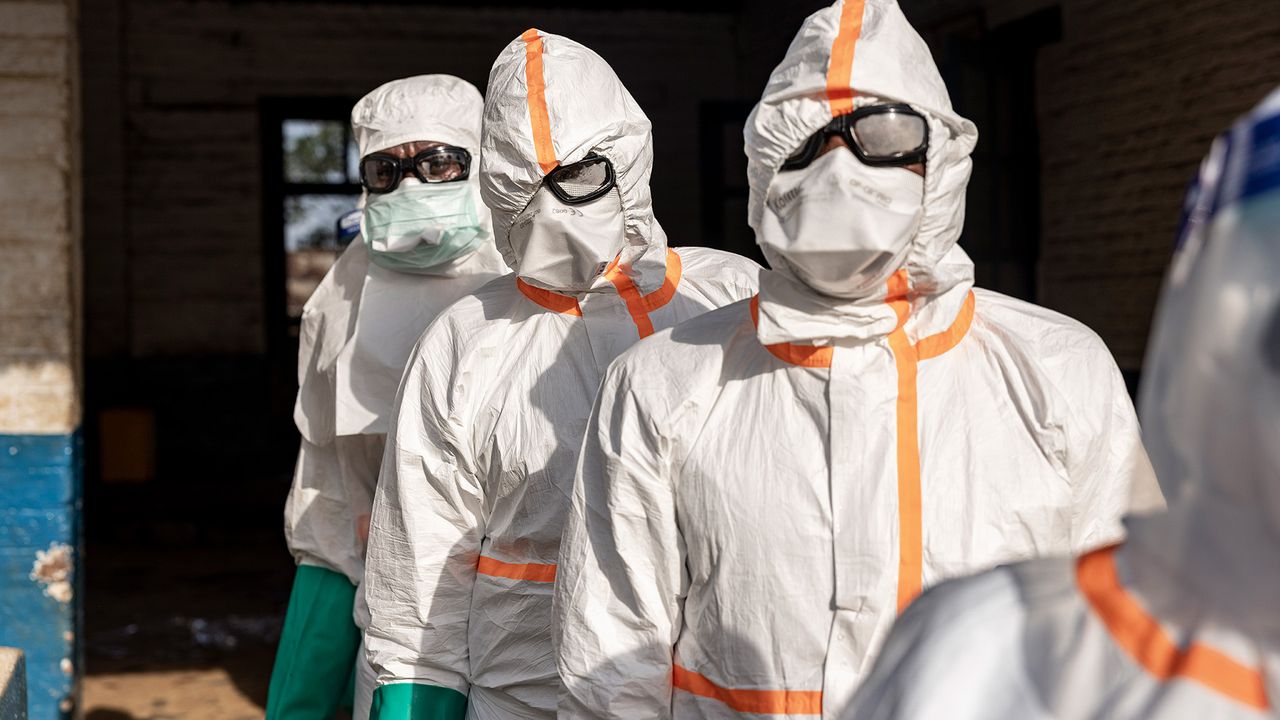
Health officials face mounting obstacles as Ebola spreads through conflict-torn regions of Central Africa, where disease containment infrastructure barely exists. The outbreak compounds crises already destabilizing the area, experts caution, with armed conflict disrupting vaccination campaigns and limiting access to affected populations.
The combination of active warfare and limited medical resources creates near-ideal conditions for viral transmission. Armed groups restrict movement of health workers, preventing them from reaching infected communities for testing, treatment, and vaccination efforts. Displaced populations fleeing violence move across borders, carrying the virus into new territories where surveillance systems struggle to track cases.
Vaccine shortages compound the problem. International stockpiles remain insufficient to inoculate vulnerable populations across the affected region. Coordination between neighboring countries falters when diplomatic channels deteriorate due to political instability. Local healthcare systems, already decimated by conflict, lack the capacity to isolate patients or train personnel in proper infection control protocols.
Ebola transmission accelerates in environments where families care for sick relatives at home without protective equipment and where traditional burial practices involve direct contact with deceased bodies. In Central African conflict zones, these conditions prevail throughout rural areas where health infrastructure has collapsed entirely.
Previous Ebola outbreaks in West Africa and Democratic Republic of Congo required massive international mobilization involving dozens of organizations, thousands of health workers, and sustained funding. Current geopolitical tensions and competing global health priorities mean similar resources may not materialize quickly enough to prevent widespread transmission.
The urgency deepens because early intervention stops exponential spread. Each week without aggressive containment measures allows the virus to reach more communities across porous borders. Experts emphasize that without rapid deployment of vaccines, personnel, and security coordination, the outbreak could evolve into a protracted crisis spanning multiple countries and overwhelming regional health systems entirely.