Generative AI systems produce convincing fake images at scale, eroding society's fundamental trust in visual evidence. Researchers and technologists warn that synthetic images indistinguishable from photographs threaten democratic institutions that depend on shared facts.
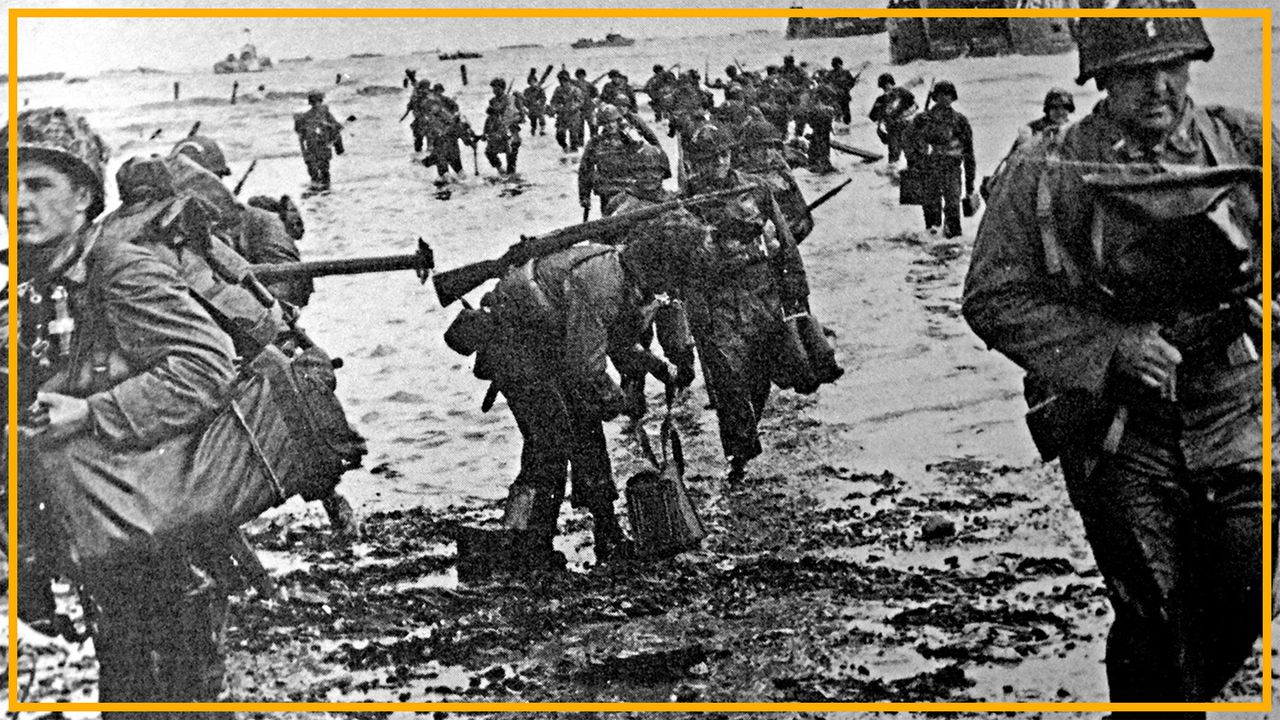
The problem runs deep. For over a century, photographs held legal and social authority as proof of events. A picture documented reality. Now, AI image generators create photorealistic content of events that never happened, people who don't exist, and scenarios designed to mislead. This capability destabilizes the evidential foundation of journalism, law, and public discourse.
Detection technology lags behind generation quality. While researchers develop tools to identify AI-generated images, sophisticated models already evade most detection methods. Bad actors exploit this gap. Deepfakes of politicians, manipulated election imagery, and fabricated evidence spread faster than corrections can travel.
Experts propose two main defenses. First, legally mandated digital watermarks embedded in AI-generated images could flag synthetic content at creation. Second, comprehensive legislation could establish liability for those releasing unwatered fake images and define when disclosure of synthetic origin becomes mandatory.
The European Union has begun regulating generative AI through its AI Act, requiring disclosure of synthetic content in certain contexts. The United States lacks comparable federal standards, though some states and platforms develop their own rules.
Limitations exist in these approaches. Watermarks can be stripped or compromised. Laws lag technology's pace. Determining what counts as requiring disclosure remains contentious—a manipulated image versus an artistic rendering sit in gray zones.
Yet doing nothing carries graver risks. Without intervention, the shared visual reality that anchors democratic conversation fractures further. Trust in documentary evidence collapses. Bad-faith actors gain tools to manufacture consent through fabrication.
The window for intervention narrows. As AI image generation becomes commonplace, establishing norms and rules becomes harder. Policy