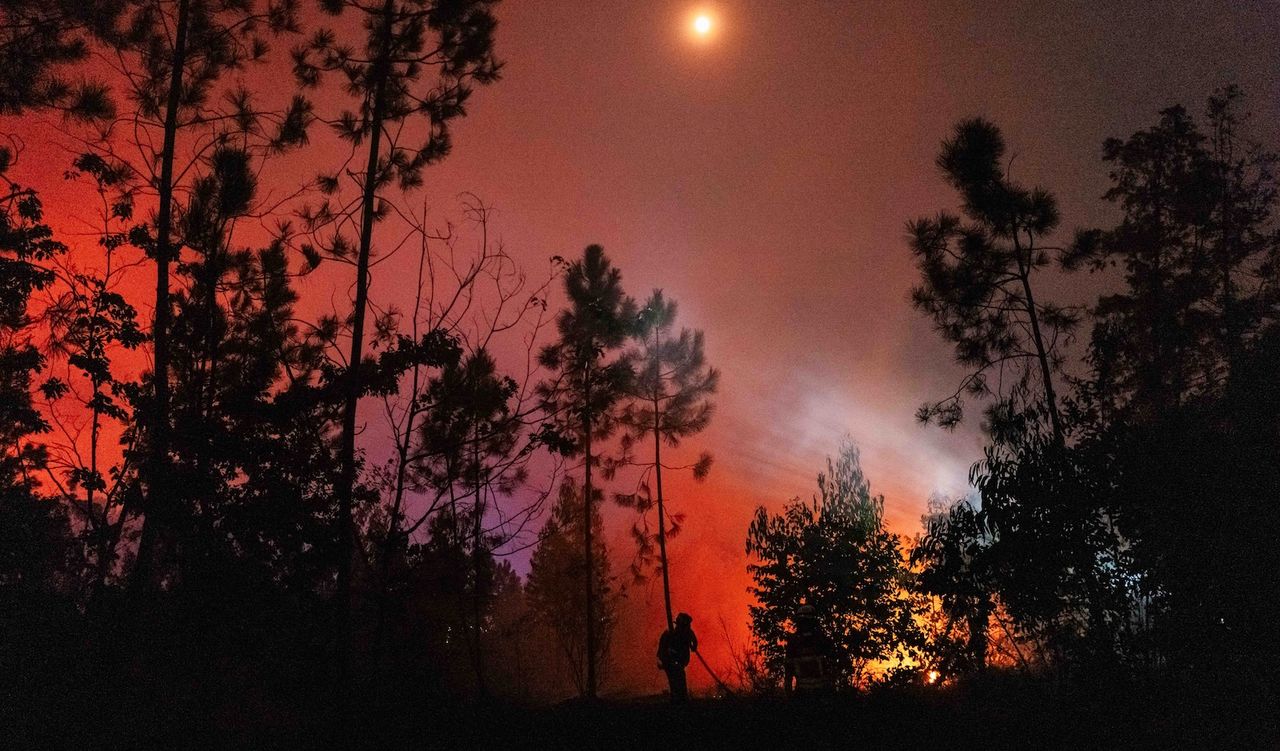
A "very strong" El Niño is now the most probable scenario for the October-to-February period, according to climate forecasters. This would rank among the most intense El Niño events recorded since the 1870s, with potentially severe humanitarian consequences across the globe.
El Niño occurs when warm water in the tropical Pacific Ocean expands eastward, disrupting normal weather patterns worldwide. A "very strong" or "super" El Niño amplifies these disruptions, triggering droughts in some regions, flooding in others, and widespread impacts on agriculture, fisheries, and water supplies.
The forecast reflects current oceanic and atmospheric conditions that favor sustained warming in the equatorial Pacific through early 2024. Climate monitoring agencies track sea surface temperatures, atmospheric pressure patterns, and subsurface ocean conditions to predict El Niño development and intensity. When multiple indicators align, confidence in stronger scenarios increases.
Historical super El Niño events caused measurable global temperature spikes, crop failures in vulnerable regions, and increased disease transmission in areas affected by flooding. The 1982-1983 and 1997-1998 events resulted in significant economic losses and humanitarian crises, particularly in developing nations dependent on consistent rainfall patterns.
A very strong El Niño through early 2024 would disrupt global food production at a moment when supply chains remain fragile and food prices elevated. Regions including parts of Africa, South Asia, and Central America face heightened drought risk, while others experience destructive precipitation. Water scarcity could intensify in already stressed regions, compounding challenges for agriculture and public health.
The humanitarian cost hinges on preparedness and response capacity. Nations with robust early warning systems and disaster mitigation infrastructure can reduce vulnerability. Those lacking such resources face greater risk of severe outcomes. International aid organizations have flagged concerns about coordinating assistance across multiple simultaneously affected regions.