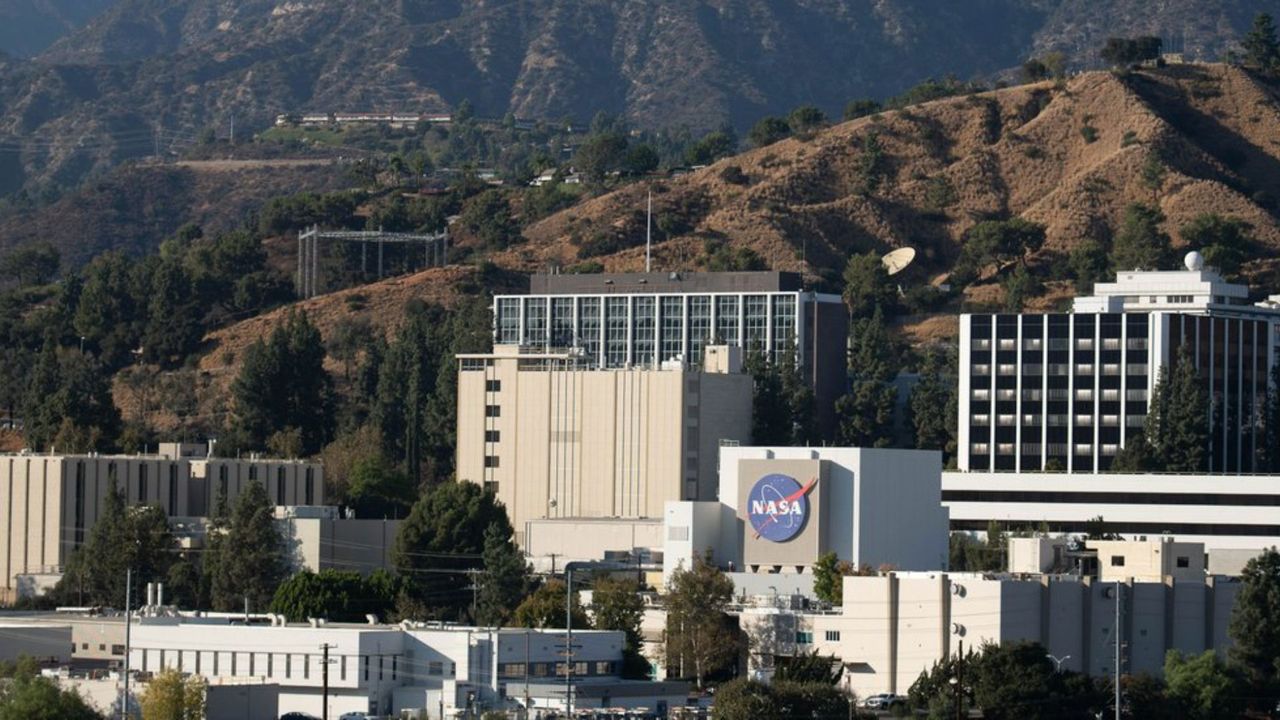
NASA is considering transferring operational control of the Jet Propulsion Laboratory, one of the agency's most storied centers, from Caltech to a different institution for the first time in nearly a century. The potential shift represents part of a broader reorganization across NASA's portfolio.
JPL has operated under Caltech management since its founding in 1936, making the institution integral to the center's identity and operations. The laboratory manages numerous high-profile missions, including the Perseverance rover on Mars, the James Webb Space Telescope observations program, and upcoming planetary exploration efforts. Any change in oversight would affect how the center operates, conducts research, and manages its $7 billion annual budget.
The timing coincides with wider restructuring efforts within NASA, suggesting the agency is reassessing management structures across multiple centers and facilities. While specific details remain limited, such organizational changes typically aim to improve efficiency, reduce redundancy, or align management structures with evolving strategic priorities.
JPL's Caltech affiliation has shaped the laboratory's culture and operations for decades. Scientists and engineers recruited to JPL benefit from Caltech's academic infrastructure and intellectual environment. The relationship also influences how the center partners with universities and conducts basic research alongside applied mission work.
Transfer of control to another organization would require careful transition planning, given JPL's complexity and the number of active projects depending on continuity of management and institutional knowledge. Any changes would likely be phased to minimize disruption to ongoing Mars rover operations, upcoming missions, and the thousands of employees at the Pasadena facility.
The announcement reflects broader questions about how federal research centers operate most effectively. NASA faces pressure to modernize operations while maintaining scientific excellence and mission reliability. Whether JPL's operational control changes remains uncertain, but the consideration itself signals the agency's willingness to examine longstanding institutional arrangements.